
By the Misk Tours Team | Egypt-based travel specialists | Last verified: May 2026
You are about to uncover one of ancient Egypt’s most fascinating sites. The Valley of the Kings is a vast burial ground for pharaohs. It’s a place where history and mystery blend.
Located in Luxor, Egypt, this necropolis has elaborate tombs and chambers. These reveal the secrets of thepharaohs and their civilization. You’ll learn about the Valley of the Kings’ role in ancient Egypt’s culture and traditions.
The Valley of the Kings has a rich history and intriguing stories. It captivates visitors from around the world. You’ll explore the world of the pharaohs, learning about their burial practices and the myths around their tombs.
A Brief History of the Valley of the Kings
As you explore the Valley of the Kings, you’re stepping into a historical site. It was once the final resting place for pharaohs. Located near Luxor, Egypt, this vast burial ground has a rich history. It dates back to the New Kingdom period, from around 1550 to 1070 BC.
The Valley of the Kings served as a royal necropolis. It was for the pharaohs of the 18th, 19th, and 20th dynasties. Its close location to Thebes (modern-day Luxor), an important city in ancient Egypt, highlights its historical importance.
Some key historical facts about the Valley of the Kings include:
- New Kingdom Period: The site was used for over 500 years. Tombs were built for pharaohs across several dynasties.
- Archaeological Significance: With over 60 tombs discovered, the Valley offers insights into ancient Egyptian burial practices. It also shows their beliefs about the afterlife.
- Remote Location: The site was chosen for its natural security. This was provided by the surrounding mountains.
Understanding the Geography
You are about to explore one of Egypt’s most fascinating sites, the Valley of the Kings. It’s on the Nile River’s west bank. The unique geography of this area made it a perfect spot for royal burials.
The Valley of the Kings is opposite modern-day Luxor, on the Nile’s west bank. The rugged limestone cliffs around it formed a natural amphitheater. This was believed to be a sacred space for the pharaohs’ burial chambers.
The Significance of the West Bank
In ancient Egyptian culture, the west bank of the Nile was linked to the afterlife. The sun sets in the west. This made it a perfect place for burials, symbolizing life’s end and rebirth.
The Valley’s geography also made it a natural protection for tombs. The cliffs and desert climate helped keep tombs and their contents safe. This made the Valley of the Kings a key archaeological site.
Exploring the Valley of the Kings, you’ll see how its geography adds to its importance. The layout of the burial chambers, carved into limestone, shows the ancient Egyptians’ belief in helping pharaohs reach the afterlife.
Notable Pharaohs Buried Here
You can explore the tombs of ancient Egypt’s most influential pharaohs in the Valley of the Kings. This necropolis is home to many pharaohs who left a lasting legacy in ancient Egypt.
Some of the most notable pharaohs buried here include:
Tutankhamun, known for the intact tomb discovered by Howard Carter in 1922, is one of the most famous pharaohs. His tomb’s discovery provided a wealth of information aboutancient Egyptian burial practices.
Ramses II, a powerful pharaoh, is renowned for his military conquests and extensive building projects. His tomb is a testament to his grandeur.
Seti I, another significant pharaoh, is celebrated for his well-preserved tomb. It is considered one of the most beautiful in the Valley of the Kings.
These pharaohs, among others, have contributed to the rich history and mystique of the Valley of the Kings. It’s a fascinating destination for those interested in tombs and pharaohs.
Essential Tombs to Visit
The Valley of the Kings is full of wonders. Some tombs are known for their amazing art and history. When you visit this ancient place near Luxor, you’ll see some of the most important burial chambers.
The Tomb of Tutankhamun is very famous. It was found almost complete by Howard Carter in 1922. It shows how ancient Egyptians buried their dead. The treasures and the story of their find still draw people from everywhere.
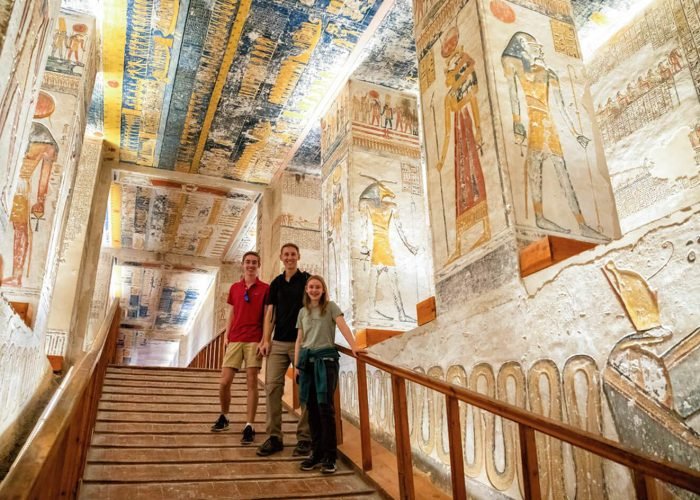
The Tomb of Seti I is also a must-see. It’s known for its beautiful paintings and good condition. This tomb is a top example of ancient Egyptian art and building. The detailed pictures and scenes tell stories from Egyptian myths and the pharaoh’s journey to the afterlife.
The Tomb of Ramses III is also worth seeing. It has colorful pictures of the pharaoh’s battles and rituals. The design and art of the tomb tell us about Ramses III’s rule and the beliefs of the time.
Seeing these tombs lets you explore ancient Egypt’s history and culture. You’ll feel the grandeur and mystery of the Valley of the Kings. Each tomb has its own story, adding to the site’s rich history.
The Art and Architecture
Exploring the Valley of the Kings, you see amazing artwork and architecture from ancient Egypt. The tombs are more than graves; they are detailed structures. They show the skill and artistry of the ancient Egyptians.
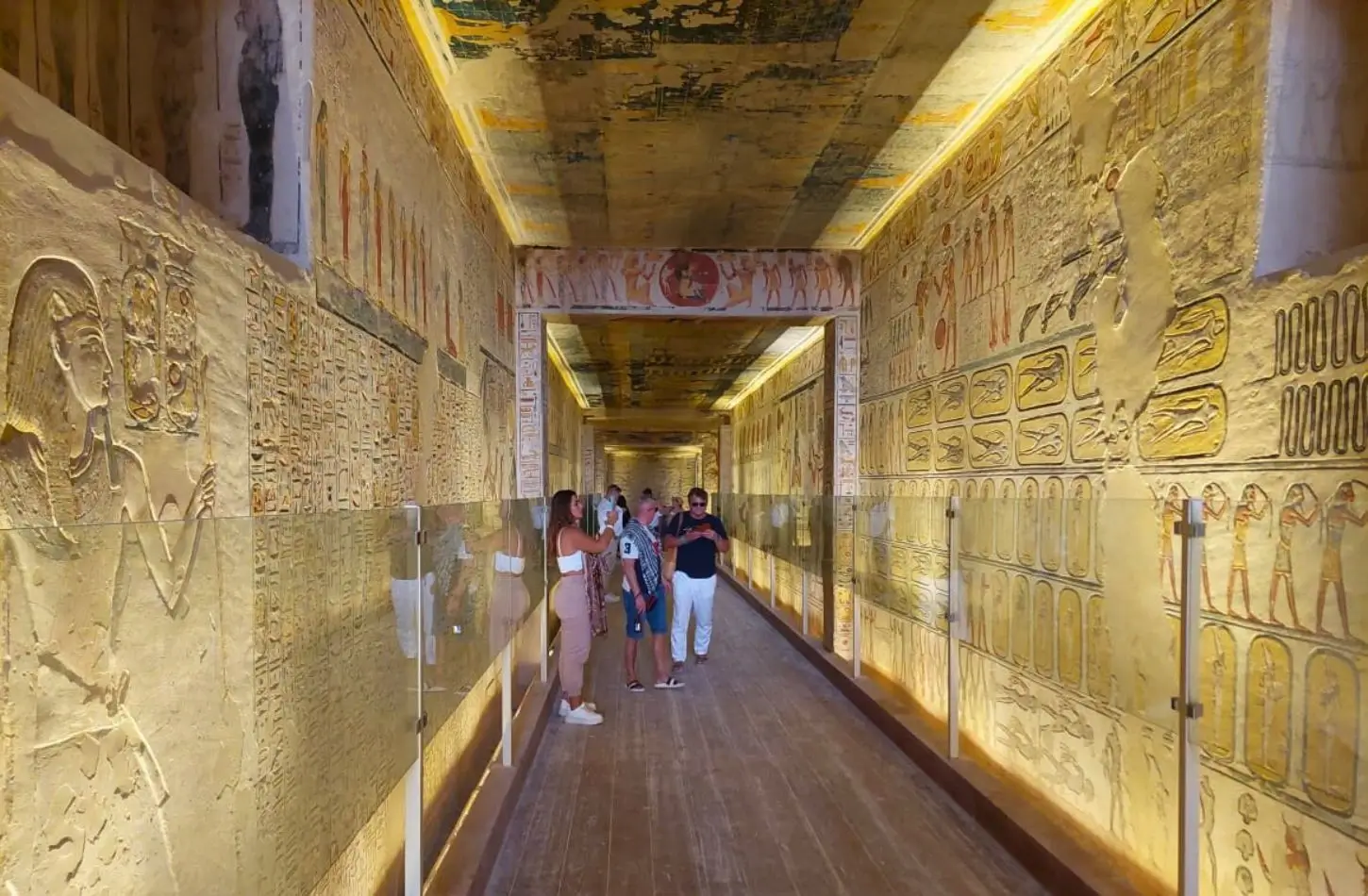
The walls of these tombs have paintings and reliefs that are full of color. They show scenes from Egyptian myths and everyday life. These artworks give us a peek into the ancient Egyptians’ beliefs and practices.
The tombs’ architecture is also stunning, with designs that reflect the pharaohs’ status and tastes. From Tutankhamun’s grand tomb to Ramses VI’s detailed reliefs, each tomb offers a unique view of ancient Egyptian art and architecture.
Visiting the Valley of the Kings lets you see ancient Egypt’s rich culture up close. It’s a journey you won’t forget.
The Mummy Unwrapping Mystery
The Valley of the Kings is a huge burial ground in Egypt. It’s where many pharaohs were buried. The tomb of Tutankhamun was found almost complete by Howard Carter in 1922.
This find, along with other mummies, has given us a lot of insight. It shows us a lot about ancient Egyptian culture and how they buried their dead.
Many tombs were robbed long ago. But some were left untouched. This gives us a special look into the lives and deaths of the pharaohs.
Unwrapping mummies is very interesting, but also a big debate. Archaeologists must carefully decide how to study these ancient bodies. They want to learn about the burial customs of the time without harming the mummies.
The Valley of the Kings is still very exciting today. Its detailed tombs and mummies inside are fascinating. The discovery of Tutankhamun’s tomb shows how important this place is. It lets us peek into the past and learn about ancient Egyptian culture.
Visiting Guidelines for Travelers
When planning your visit to the Valley of the Kings, knowing the opening hours and ticket prices is key. The Valley is open daily from 6:00 AM to 4:00 PM. We suggest arriving early to avoid the crowds and heat.
To ensure a smooth visit, consider the following guidelines:
- Arrive early to beat the heat and the crowds.
- Wear comfortable shoes and clothing suitable for walking.
- Respect the site’s rules and regulations to preserve the tombs and the environment.
By following these guidelines, you can have a memorable and enjoyable visit to the Valley of the Kings.
Preserving the Valley of the Kings
Keeping the Valley of the Kings safe is key for future generations. It’s a UNESCO World Heritage Site. But, it faces many dangers like too many tourists and natural wear.
Conservation Efforts are being made. They include limiting visitors and using new tech to fight off damage from the weather. This helps keep the tombs and art safe.
You can help too. Just by being careful when you visit. Stay on paths, don’t touch the walls, and support saving this place.
Protecting the Tombs
Keeping the tombs safe is very important. It’s not just about avoiding damage. It’s also about saving the detailed art and objects inside. Special lighting and climate control help keep the paintings and reliefs in good shape.
Tourism Management is also key. By controlling who comes and where they go, the site stays safe. This way, visitors can still enjoy it, and the site stays protected.
Keeping the Valley of the Kings safe is a big job. It needs everyone’s help. Local groups, experts, and visitors all play a part. Together, we can keep this amazing history alive for a long time.
Fun Facts About the Valley
Get ready for a journey through the Valley of the Kings. This ancient burial ground is full of fascinating stories and facts. It will capture your imagination.
The Valley of the Kings has over 63 tombs. Each one has its own history and style. Famous pharaohs like Tutankhamun and Ramses II were buried here.
Here are some more fun facts about the Valley:
- Elaborate Tombs: The tombs are famous for their detailed artwork and architecture. The walls show vivid paintings and hieroglyphics. They tell stories of the pharaohs’ afterlife journeys.
- Royal Burial Ground: The Valley was a royal burial site for over 500 years. Many pharaohs, their families, and officials were buried here.
- Hidden Tombs: Some tombs were hidden behind rocks or had fake entrances. This was to keep the pharaohs’ treasures safe from robbers.
- Archaeological Significance: The discovery of Tutankhamun’s tomb in 1922 was a big moment. It gave us a lot of information about ancient Egyptian burial practices and the young pharaoh’s life.
Visiting the Valley of the Kings is more than seeing a historical site. It’s entering a world of ancient mystery and intrigue. The Valley’s fun facts show its importance as a cultural and historical treasure. It’s a must-see for anyone interested in history, archaeology, or the pharaohs’ mystique.
FAQs — Valley of the Kings
What is the Valley of the Kings?
The Valley of the Kings is an ancient royal necropolis on the west bank of the Nile in Luxor, Egypt. It served as the burial ground for pharaohs of the New Kingdom period (roughly 1550–1070 BCE), spanning the 18th, 19th, and 20th dynasties. To date, 63 tombs have been discovered here, including those of Tutankhamun, Ramesses II, Ramesses VI, and Seti I. It is a UNESCO World Heritage Site and one of the most significant archaeological sites in the world.
Where is the Valley of the Kings located?
The Valley of the Kings is on the west bank of the Nile River, directly opposite modern Luxor city in Upper Egypt. It is approximately 5 km from Luxor’s city centre, reached by bridge, ferry, or as part of an organised West Bank tour. The surrounding limestone cliffs and desert setting made it a naturally protected and sacred site in ancient times.
How much does it cost to visit the Valley of the Kings?
The standard entrance ticket (450 EGP for foreign visitors as of 2026) grants access to the site and entry into three tombs of your choice. The tomb of Tutankhamun (KV62) requires a separate additional ticket due to its exceptional significance and limited daily access. The tomb of Ramesses VI and the tomb of Seti I also carry extra fees. Ticket prices are set by the Egyptian Ministry of Antiquities and updated periodically — always confirm current prices before visiting.
What are the opening hours of the Valley of the Kings?
The Valley of the Kings is open daily from 6:00 AM to 4:00 PM. Arriving at or shortly after opening time is strongly recommended — the desert heat inside the tombs and on the plateau becomes intense by mid-morning, and the earliest hours have significantly fewer visitors. Some special tombs may have restricted opening days, so check locally before your visit.
Which tombs in the Valley of the Kings are the best to visit?
The most visited and highly recommended tombs are: Tutankhamun (KV62) for its famous golden treasures and historic significance; Ramesses VI (KV9) for its extraordinary ceiling paintings of the night sky and Book of the Dead; Seti I (KV17) for its exceptional preservation and the finest painted reliefs in the valley; and Ramesses III (KV11) for its colourful battle and ritual scenes. Most visitors pick three with their standard ticket and add Tutankhamun separately.
Was Tutankhamun’s tomb found in the Valley of the Kings?
Yes. Tutankhamun’s tomb (KV62) was discovered in the Valley of the Kings on 4 November 1922 by British archaeologist Howard Carter. It was found almost completely intact — an extraordinary rarity, as most other tombs had been looted in antiquity. The tomb contained over 5,000 objects including the iconic golden death mask, royal chariots, furniture, and jewellery. Most treasures are now displayed at the Grand Egyptian Museum in Giza.
How long does a visit to the Valley of the Kings take?
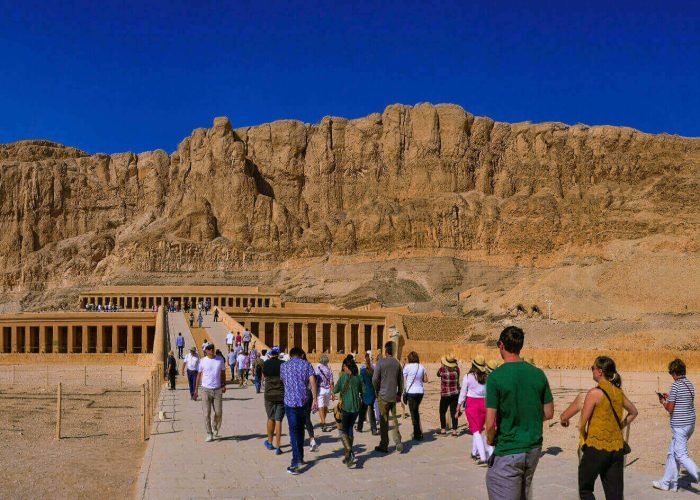
Allow 2 to 3 hours for a standard visit covering three tombs and the site museum. If you plan to visit additional paid tombs such as Tutankhamun’s or Seti I’s, add another hour. Most West Bank itineraries combine the Valley of the Kings with the Temple of Hatshepsut and the Colossi of Memnon in a single half-day or full-day tour of 5 to 6 hours total.
Why was the west bank of the Nile chosen for royal burials?
In ancient Egyptian belief, the west — where the sun sets — was the realm of the dead and the entry point to the afterlife. The natural pyramid-shaped peak above the valley (known as Al-Qurn) was also considered sacred, resembling a natural pyramid presiding over the royal burials below. The remote limestone cliffs offered both symbolic resonance and practical security against tomb robbers, making the location ideal for a royal necropolis.
Can you take photos inside the Valley of the Kings tombs?
Photography policies inside individual tombs change periodically and vary tomb by tomb. As of recent visits, photography inside most tombs is prohibited to protect the fragile painted walls from light damage and flash. Photography on the general site plateau and at tomb entrances is typically permitted. Always follow the instructions of site guards and your tour guide, and never use flash photography even where cameras are technically allowed.
What is the best time of year to visit the Valley of the Kings?
October to April is the most comfortable period, with mild temperatures ideal for exploring the open plateau between tombs. December through February is peak tourist season but brings the coolest weather. Avoid May through August when temperatures in Luxor regularly exceed 42°C — the valley is an exposed desert site with very little shade outside the tombs themselves. Within the day, the first two hours after opening (6–8 AM) offer the best combination of cool air and low crowds.
Planning Your Visit
To enjoy your trip to the Valley of the Kings in Luxor, plan. Book your tickets and arrange for transport to the site.Check the opening hours and ticket prices before you go. They might change. A guided tour can make your visit better, giving you deeper insights into the tombs.
Wear comfy shoes and clothes for walking and exploring. Bring water and sun protection too. The Egyptian sun is strong. Planning makes your visit smooth and fun. Enjoy this amazing archaeological site.