
By the Misk Tours Team | Egypt-based travel specialists | Last verified: May 2026
Planning a trip to Luxor Temple? You’re in for a treat. This ancient wonder has many reasons to visit. Its rich history, stunning architecture, and cultural significance make it unforgettable.
Whether you love history, architecture, or just exploring new places, you’ll be amazed. The Luxor Temple is a place that will leave you in awe.
Discover the Rich History of Luxor Temple
When you enter the Luxor Temple, you step into a world of ancient history. It started in the 14th century BC under Pharaoh Amenhotep III. Later, Ramses II expanded it. This ancient wonder is a time-traveling journey that showcases the work of many pharaohs.
The temple’s architecture tells its complex history. You can see the hypostyle hall, the sacred barque shrine, and the Roman court. Each part offers a special look into the temple’s past. It’s a key Luxor tourist attraction.
Visiting the Luxor Temple is more than seeing a site. It’s a chance to see the peak of ancient Egypt’s architecture and culture. The temple’s history is a grand story, making it a top spot for history lovers.
The temple’s history and beauty make it a memorable visit. As you wander, you’ll uncover its layers of history. From its start to the changes over time, it’s a fascinating journey.
Marvel at the Stunning Architecture
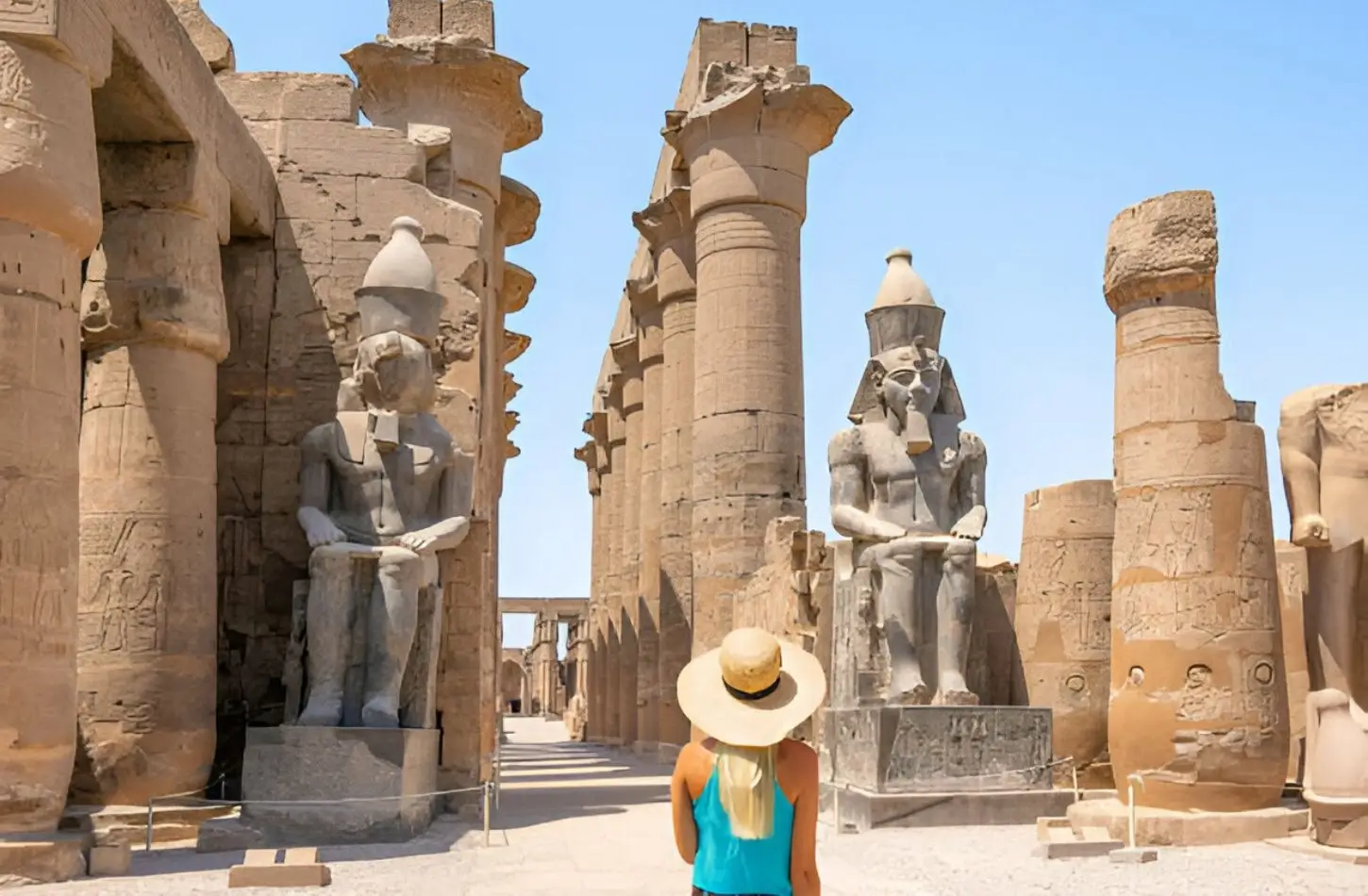
When you enter the Luxor Temple, you’ll be amazed. Its architecture has lasted for centuries. The temple mixes ancient Egyptian styles with towering columns, big stone statues, and detailed hieroglyphics on the walls.
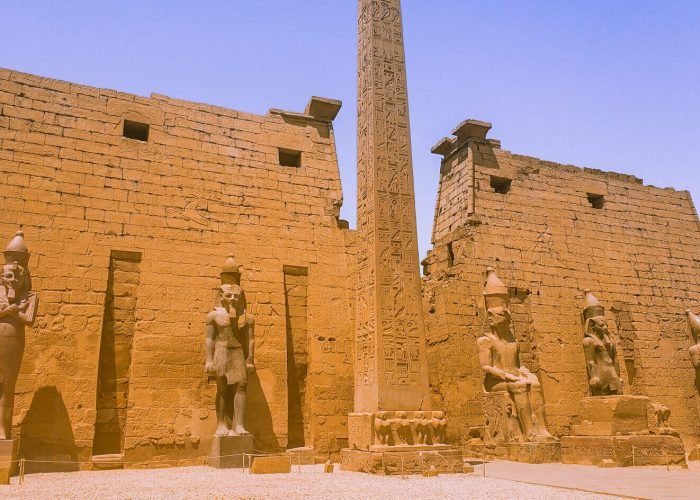
The Luxor Temple is famous for its huge statues, obelisks, and carved reliefs. These tell stories of long ago. You’ll see the meticulous craftsmanship in every corner of this ancient wonder.
The temple’s design is not just beautiful. It also shows us the ancient Egyptians’ beliefs and culture. You’ll learn about the symbolism and significance of each part. This includes sacred geometry and how they aligned with the stars.
Seeing the Luxor Temple’s beauty will make you appreciate the ancient Egyptians’ skills. Their work shows the power of human creativity and innovation.
Experience the Cultural Significance
Luxor Temple is where history comes alive. Walking through its ancient structures, you’re not just visiting a site. You’re diving into Egypt’s rich cultural heritage.
The temple’s architecture shows the ancient Egyptians’ advanced engineering skills. The walls and columns are covered in intricate carvings and hieroglyphics. These tell stories of gods, goddesses, pharaohs, and their people.
Exploring the temple, you’ll learn about its deep history and cultural importance. It played a big role in ancient religious practices. Today, it’s a key historical landmark. Luxor Temple is a must-see for history, culture, or architecture lovers.
Enjoy the Unique Evening Atmosphere
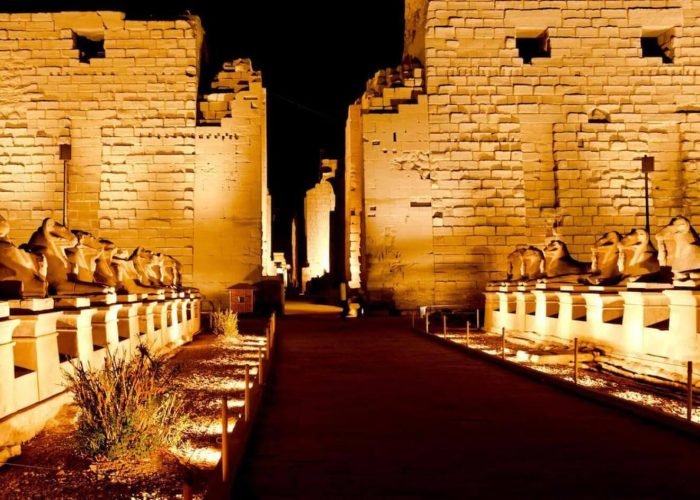
Enjoy the Luxor Temple’s Evening Atmosphere. Visiting Luxor Temple at night is special. The sun’s setting makes the temple glow warmly. It’s peaceful and serene.
The Luxor Temple is a key spot for history, culture, and architecture lovers. At night, it feels magical. The sun’s soft light makes the ancient stones look even more impressive. Plan your visit and book a guided tour. This way, you’ll learn more about the temple’s history. You can also ask questions and get insights from the guides.
While exploring, look closely at the carvings and hieroglyphics on the walls. They show the ancient Egyptians’ skill and creativity. It’s a memorable sight. The Luxor Temple is a must-see in Egypt. It offers a mix of history, stunning architecture, and beauty. It’s an experience you’ll always remember.
Engage with Local Traditions
Visiting Luxor means diving into its rich traditions. This ancient city is a mix of old and new cultures.
Start by checking out the local markets. They’re full of colors and smells. You can find special souvenirs like scarves and jewelry, each with its own story.
Try the local food, a taste of Luxor’s history and culture. Enjoy dishes like koshari and ful medames, and sweet treats too.
Luxor Temple is a center of cultural events all year round. Joining in or watching these events helps you understand the temple’s history. It shows its importance as an Ancient Egyptian temple.
By joining the local community and respecting their ways, you help keep Luxor’s culture alive. This experience will give you memories to cherish forever.
Delve into Nearby Attractions
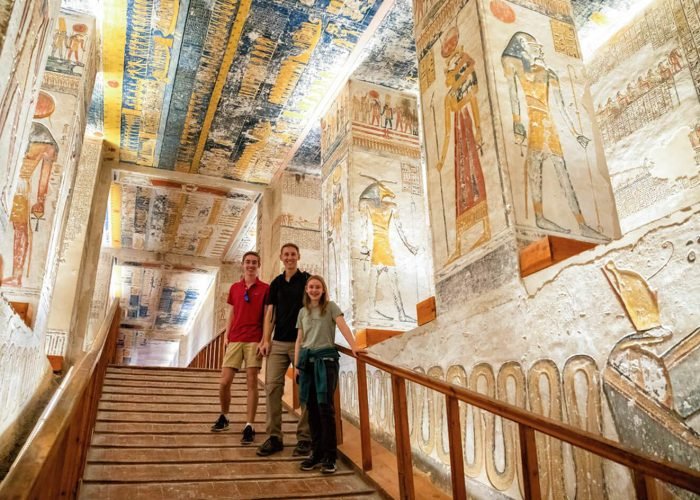
Luxor is a gateway to ancient Egypt’s wonders. It is surrounded by many historical sites worth visiting. The Valley of the Kings is a vast burial ground for pharaohs.
Visitors can explore the tombs and learn about ancient Egypt’s history and culture.
Other attractions include the Temple of Hatshepsut and the Karnak Temple complex. Each site offers a unique view of ancient Egyptian culture and history.
Visitors to Luxor can enjoy many activities. They can explore ancient tombs or take a felucca ride along the Nile. Whether you love history, culture, or just relaxing, Luxor has something for you.
Capture Unforgettable Memories
The Luxor Temple is a photographer’s dream. It’s full of chances to take amazing photos. You’ll see stunning architecture, detailed carvings, and huge statues.
For the best photos, go early or late to avoid harsh sunlight. Also, use a tripod to keep your camera steady. The evening light is perfect for capturing the temple’s beauty.
Before you go, check the Luxor Temple entrance fee. It might change based on the time or season. Knowing this helps you plan and enjoy your visit more.
Take your time to understand the history and culture of the temple. This will make your photos even better. It also helps you appreciate the temple’s significance.
Immerse Yourself in Guided Tours
Exploring Luxor Temple with a guide is a great way to see it. Guided tours offer a deeper look into the temple’s history and importance.
A Luxor Temple tour guide can share lots about the temple’s past, design, and cultural value. They make your visit more fun and educational. You’ll learn more about the temple’s role in ancient Egyptian culture.
On a guided tour, you’ll learn about the Luxor Temple’s history and the gods worshipped there. Guides also help you find your way around the temple. This way, you get the most out of your visit.
Guided tours offer a personal touch. Guides often tell stories and jokes that make history come alive. This makes your visit unforgettable.
To get the most from your visit, book a guided tour early. This way, you’ll get a guide who knows a lot and can show you everything about Luxor Temple.
Appreciate the Archaeological Efforts
Exploring Luxor Temple shows the hard work to keep it safe for centuries. The ancient Egyptians’ skill in building it is amazing. Their ongoing work to keep it good is truly impressive.
Restoration and Conservation
The temple has had many restoration projects. These help keep its original look and make it last longer. It’s important to protect it from damage over time.
Archaeological Significance
Luxor Temple is more than just a beautiful building. It’s a key site for learning about ancient Egyptian life. Archaeologists have found many artifacts and writings that show its rich history.
Understanding the work done at Luxor Temple helps us see its value. It connects us to the past. Thanks to archaeologists and conservators, we can still see its beauty today.
Frequently Asked Questions
What is Luxor Temple?
Luxor Temple is an ancient Egyptian temple complex built around 1400 BCE on the east bank of the Nile. Originally constructed by Amenhotep III and later expanded by Ramesses II, it was dedicated to the Theban Triad — the gods Amun, Mut, and Khonsu. Unlike most Egyptian temples, it sits directly within a modern city, making it one of Egypt’s most accessible and visually striking ancient sites.
Where is Luxor Temple located?
Luxor Temple stands on the east bank of the Nile in the centre of Luxor city, Upper Egypt. It is right on the Corniche road, walking distance from most hotels in the city. Luxor is 700 km south of Cairo and is served by Luxor International Airport with daily domestic flights.
When was Luxor Temple built and by whom?
Construction began around 1400 BCE under Pharaoh Amenhotep III. Ramesses II later added the grand entrance pylon, two obelisks, and six colossal statues. Subsequent pharaohs including Tutankhamun, Horemheb, and Alexander the Great also left their mark. The site was also used as a Roman military camp and later housed a Christian church and a mosque — all visible layers today.
What are the opening hours of Luxor Temple?
Luxor Temple is generally open daily from 6:00 AM to 10:00 PM, including evenings. This makes it one of the few major Egyptian sites open after dark. Evening hours are particularly popular as the temple is beautifully illuminated. Hours may vary on public holidays, so it is worth confirming locally before your visit.
How long does a visit to Luxor Temple take?
Most visitors spend 1.5 to 2 hours at Luxor Temple. This covers the main pylon entrance, the court of Ramesses II, the colonnade of Amenhotep III, the hypostyle hall, the inner sanctuary, and the Roman court. If you visit with a guide, allow closer to 2 hours to fully understand the carvings and history.
Is Luxor Temple better to visit during the day or at night?
Both are rewarding but offer completely different experiences. Daytime visits give better light for photography inside the temple and allow you to read the carvings clearly. Evening visits after sunset are spectacular — the temple is illuminated with warm golden light, crowds thin out, and the atmosphere is far more dramatic. Many visitors do a quick daytime preview and return in the evening.
What is the difference between Luxor Temple and Karnak Temple?
Both are in Luxor and were once connected by the 3 km Avenue of Sphinxes. Luxor Temple is smaller, more compact, and located in the city centre — ideal for a focused 2-hour visit. Karnak Temple is a vast complex of multiple temples and is the largest ancient religious site in the world, requiring at least 3 hours. Most itineraries visit both on the same day.
What is the obelisk at Luxor Temple?
Ramesses II originally placed two matching pink granite obelisks at the temple entrance, each around 25 metres tall. One remains standing at Luxor Temple today. The other was given to France in 1833 and now stands in the centre of Place de la Concorde in Paris, where it has stood since 1836.
What is the best time of year to visit Luxor Temple?
October to April is the most comfortable period, with mild temperatures ideal for sightseeing. December and January are peak tourist months. Avoid June to August when temperatures in Luxor regularly exceed 42°C. The shoulder months of October–November and March–April offer a good balance of pleasant weather and manageable crowds.
Can you combine Luxor Temple with other sites in one day?
Yes easily. The most popular combination is Luxor Temple with Karnak Temple on the same day — both are on the east bank and just 3 km apart. Many visitors also combine the east bank temples with a West Bank tour covering the Valley of the Kings, the Temple of Hatshepsut, and the Colossi of Memnon, making it a full Luxor day itinerary.
Plan Your Visit Wisely
To enjoy your time at Luxor Temple, plan. Check the opening hours and entrance fee before you go. A guided tour can give you deep insights into its history.
Visit during cooler months or evenings for a better experience. The temple looks amazing during these times. It’s a great chance to see its beauty and calm.
Make sure to check if guided tours are available. Plan your day to make your visit smooth and fun. This way, you’ll get the most out of seeing this ancient wonder.