By the Misk Tours Team | Egypt-based travel specialists | Last verified: May 2026
Egypt doesn’t ease you in — it overwhelms you all at once. The scent of spices drifting through narrow bazaars, the impossible geometry of monuments that have outlasted empires, the Nile glittering under a sky that feels older than time itself. This is a country that doesn’t just hold history — it breathes it.
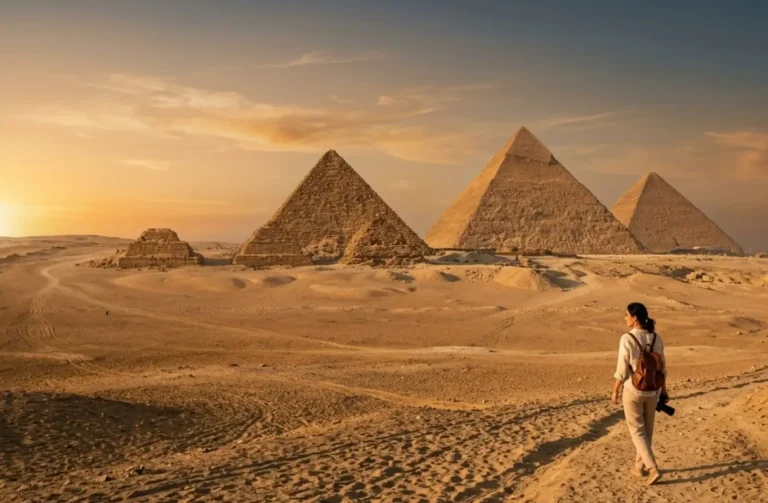
The best time to visit Egypt is between October and April, when the desert is cooler, turning every open-air ruin into a pleasure to explore. No punishing midday heat — just golden light, open skies, and the pyramids exactly as they’ve stood for 4,500 years, waiting patiently for you.
Not sure where to begin? The best time to visit Egypt is closer than you think. Let us take care of every detail — from the pyramids to the Nile and beyond. View Our Egypt Tour Packages
Understanding Egypt’s Climate Patterns
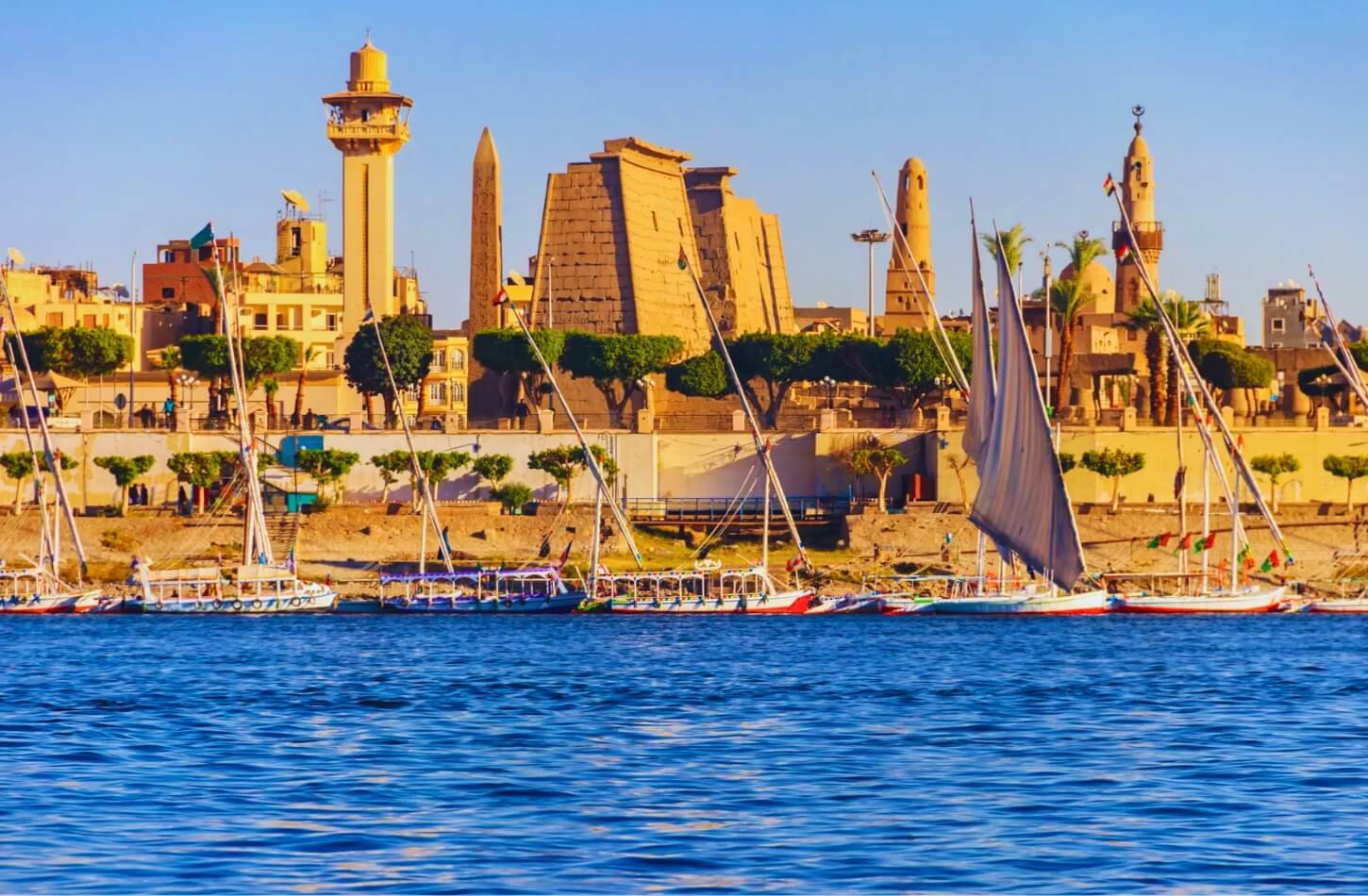
The best time to visit Egypt is between October and April, when temperatures are mild, skies are clear, and every ancient site — from the Pyramids of Giza to the temples of Luxor and Aswan — is comfortable to explore on foot. That said, Egypt truly has something to offer every month of the year, and the “best” month depends entirely on what you want to do.
Whether you’re planning a Nile cruise, a Red Sea diving trip, a desert safari, or a deep dive into pharaonic history, or exploring Egypt on a budget, this guide breaks it all down — month by month, city by city — so you can pick the perfect time for your Egypt adventure.
Egypt Climate at a Glance: Monthly Temperature Crowd Table
Use this table to quickly compare conditions across Egypt’s main regions before reading the full seasonal breakdown below.
| Month | Cairo (°C/°F) | Luxor (°C/°F) | Red Sea (°C/°F) | Crowd Level | Price Level | Best For |
|---|---|---|---|---|---|---|
| January | 19°C / 66°F | 23°C / 73°F | 22°C / 72°F | Very High | High | Sightseeing, Nile cruises |
| February | 21°C / 70°F | 25°C / 77°F | 22°C / 72°F | High | High | Abu Simbel festival |
| March | 24°C / 75°F | 30°C / 86°F | 23°C / 73°F | Moderate | Medium | Photography, budget travel |
| April | 28°C / 82°F | 35°C / 95°F | 25°C / 77°F | Moderate | Medium | Desert safaris, snorkelling |
| May | 33°C / 91°F | 39°C / 102°F | 27°C / 81°F | Low | Low | Red Sea coast, diving |
| June | 35°C / 95°F | 41°C / 106°F | 30°C / 86°F | Very Low | Very Low | Budget diving, Red Sea |
| July | 36°C / 97°F | 42°C / 108°F | 32°C / 90°F | Very Low | Very Low | Red Sea resorts |
| August | 36°C / 97°F | 41°C / 106°F | 33°C / 91°F | Very Low | Very Low | Red Sea, beach holidays |
| September | 33°C / 91°F | 38°C / 100°F | 31°C / 88°F | Low | Low–Med | Diving, budget inland |
| October ★ | 28°C / 82°F | 33°C / 91°F | 29°C / 84°F | Moderate | Medium | Everything — ideal balance |
| November | 24°C / 75°F | 27°C / 81°F | 27°C / 81°F | High | Med–High | First-timers, Nile cruises |
| December | 20°C / 68°F | 23°C / 73°F | 23°C / 73°F | Very High | High | Winter sun, festive trips |
Month-by-Month Guide to Visiting Egypt
Egypt reveals a different side of itself with every passing month. Whether you’re chasing cool desert breezes, avoiding the crowds, or timing your trip around ancient festivals and Nile floods, knowing when the best time to visit Egypt can transform a great trip into an unforgettable one. Here’s your complete month-by-month guide to visiting Egypt — so you can plan smarter, travel better, and experience this timeless destination exactly the way you’ve always imagined.
January — Peak Season at Its Best
January is Egypt’s coolest month and one of its busiest. Daytime temperatures in Cairo hover around 19°C (66°F), making long walks around Islamic Cairo and the Pyramids of Giza genuinely pleasant. In Luxor and Aswan, temperatures are warmer — around 23°C (73°F) — and practically perfect for spending full days at open-air sites like Karnak Temple and the Valley of the Kings.
Best for: Sightseeing in Cairo, Luxor, and Aswan; Nile cruises; first-time visitors.
Watch out for: Heavy crowds at major monuments, higher hotel prices, and fully-booked Nile cruise boats. Book 3–6 months in advance.
Event highlight: Coptic Christmas (January 7) — a vibrant celebration in Cairo’s Christian neighborhoods.
February — The Sweet Spot
Many Egypt specialists consider February the single best month to visit. It sits at the peak of the comfortable season, temperatures are a touch warmer than January (21°C in Cairo), and the infamous sandstorms of spring have not yet arrived. Crowds thin slightly after the New Year rush, and you still get long, sunny days for exploring.
Best for: All sightseeing, Nile cruises, desert trips, and photography.
Watch out for: Still a busy and pricey month — book ahead.
Event highlight: The Abu Simbel Sun Festival on February 22. Twice a year, the rising sun penetrates the inner sanctuary of Ramses II’s temple and illuminates three of the four statues inside. It is one of the most spectacular natural-architectural phenomena on Earth. The event draws large crowds — arrive the evening before and stay overnight in Abu Simbel.
March — Shoulder Season Begins
March is a transitional month and one of the best-value times to visit. Crowds start to thin out, prices soften slightly, and temperatures are still manageable — around 24°C in Cairo and 30°C in Luxor. The days are long, and the light along the Nile is particularly beautiful for photography.
One thing to be aware of: the Khamaseen winds can begin in late March (see dedicated section below). These hot, dry sandstorms are short-lived but can disrupt outdoor plans for a day or two.
Best for: Budget-conscious travelers, photographers, and Nile felucca rides.
Watch out for: Occasional sandstorms starting late March.
April — Warm Days, Fewer Crowds
April is an excellent shoulder month. Temperatures climb to around 28°C in Cairo and 35°C in Luxor, which is warm but still workable if you plan outdoor sightseeing early in the morning (sites open around 6–7 AM) and take a midday break. Crowds are noticeably thinner than in winter, and you’ll often have temples largely to yourself in the early hours.
The Khamaseen can still bring dust storms in April, but they typically last only a few days and pass quickly. Easter is a busy period if it falls in April — prices spike briefly around that week.
Best for: Avoiding winter crowds, desert safaris, and Red Sea snorkeling.
Watch out for Khamaseen sandstorms, Easter week crowds, and price rises.
May — Last Comfortable Month Before Summer
May is when the heat starts to bite inland. Cairo reaches 33°C (91°F), and Luxor can hit 39°C (102°F). Inland sightseeing becomes uncomfortable during midday hours. However, May is an excellent month for the Red Sea coast — Hurghada, Sharm El Sheikh, and Marsa Alam all enjoy warm water and thinner crowds before European school holidays begin.
Best for: Red Sea beach and diving holidays; budget inland trips if you’re heat-tolerant.
Watch out for: Sightseeing in Luxor and Aswan during midday; Ramadan may fall in May (check the Islamic calendar).
June — Low Season Begins
Summer arrives properly in June. Cairo hits 35°C (95°F), and Luxor climbs past 41°C (106°F). Outdoor sightseeing at inland sites is genuinely challenging unless you’re out by 8 AM. On the plus side: tourist sites are almost empty, prices drop significantly, and the Red Sea is warm and ideal for diving.
Best for: Red Sea diving (excellent visibility, warm water); budget travellers; experienced heat-tolerant visitors.
Watch out for: Extreme inland heat; some restaurant closures during Ramadan if it falls in June.
July August — Hottest Months
July and August are the hottest months in Egypt, with Luxor and Aswan regularly exceeding 42°C (108°F). Even Cairo, which benefits from breezes off the Nile Delta, sits at 36°C (97°F). These are challenging months for cultural sightseeing, but are popular for Red Sea beach holidays — European and Gulf tourists fill the coastal resorts, and the Red Sea water temperature (32–33°C) is perfect for snorkeling and diving.
If you must visit Luxor in summer, the temples open at 6 AM — arriving at dawn is the only practical strategy. Nile cruise boats are air-conditioned and can be a comfortable base, with guided tours scheduled only for early morning and evening.
Best for: Red Sea resorts, Nile cruises (with early-morning excursions), budget inland trips.
Watch out for: Extreme heat everywhere inland; humidity on the coast; crowded Red Sea resorts during school holidays.
September — Heat Starts to Ease
September is the beginning of the turnaround. Temperatures start to drop from their August peak, the Red Sea is still beautifully warm (31°C / 88°F), and the crowds at inland sites remain very thin. September is widely regarded as one of the best months for scuba diving in Egypt — warm, clear water and fewer tourists above and below the surface.
Best for: Red Sea diving and snorkeling, budget inland travel, and combining coastal and cultural stops.
Watch out for: Inland temperatures are still high — sightseeing requires early starts.
October — Our Top Pick for the Ideal Month
If we had to pick one month, October is it. The summer heat has broken, temperatures in Cairo drop to a comfortable 28°C (82°F), and Luxor cools to around 33°C (91°F). The tourist season hasn’t fully kicked in yet, so you get manageable crowds and mid-range prices. The Red Sea is still warm enough for swimming and diving. And the quality of light in the late afternoon — golden and soft — makes for spectacular photos at every site along the Nile.
Best for: Everything — sightseeing, Nile cruises, Red Sea, desert trips. Genuinely the sweet spot.
Event highlight: Abu Simbel Sun Festival (October 21) — the same solar alignment event as February, but with slightly smaller crowds.
November — Shoulder Season, Excellent Value
November is an increasingly popular month. Temperatures are mild (24°C in Cairo, 27°C in Luxor), the peak season hasn’t yet arrived, and you can still find competitive prices. The Nile cruise season is in full swing — boats are operating and well-staffed, but not yet fully booked as they will be in December and January.
Best for: First-time visitors who want good weather without peak-season prices and crowds.
Event highlight: Cairo International Film Festival (mid-November) — one of the oldest film festivals in the world, held at the Cairo Opera House.
December — Festive Peak Season
December marks the start of peak season again. Temperatures drop to around 20°C in Cairo and 23°C in Luxor — extremely comfortable for sightseeing. The atmosphere is festive, with Christmas and New Year celebrations at major hotels and resorts. It is, however, the most expensive and crowded month, particularly the last two weeks of December.
Best for: Winter sun seekers from Europe; festive atmosphere; first-time visitors.
Watch out for: Highest prices of the year around Christmas and New Year; fully booked accommodation — reserve months in advance.
Regional Differences and Their Impact
Knowing when the best time to travel to Egypt is depends on Egypt’s diverse geography, which leads to different climates across various areas. Traveling from north to south shows a big change in weather and temperature.
The south, like Luxor and Aswan, is hotter and drier than the north, such as Cairo. This is important for planning your trip, as the weather greatly affects your experience.
In the south, get ready for extreme summer heat. The desert climate means little rain and high temperatures. The north has a moderate climate, with less extreme temperatures.
Knowing these differences helps you plan your best time to visit Egypt better. For example, visiting Luxor’s ancient sites in cooler months is more enjoyable.
By considering these climate variations, you can enjoy Egypt more. Your travel plans will fit the local weather perfectly.
The Khamaseen Winds: What Travelers Need to Know
Between late March and May, Egypt experiences a weather phenomenon called the Khamaseen (also spelled Khamsin). These are hot, dry, dust-laden winds that blow in from the Sahara, reducing visibility, coating everything in fine sand, and pushing temperatures up sharply — sometimes by 10–15°C in just a few hours.
The good news: individual Khamaseen events typically last 1–3 days and then pass. The bad news: they are difficult to predict precisely. Here’s what to know:
- When they occur: Late March through May, with peak frequency in April.
- Where they hit hardest: The open desert, the Western Desert oases (Siwa, Bahariya), and open plains around Luxor and Aswan. Cairo is affected but less severely due to its urban density.
- What to do: Stay indoors during the worst of it, cover your face with a scarf or buff when outdoors, and keep your camera gear sealed. Most Khamaseen events pass overnight.
- Should it put you off visiting in spring? No. The Khamaseen is a natural part of the Egyptian spring. Its timing is unpredictable, but it is temporary — and the days that follow will be beautiful.
Best Time to Visit Egypt’s Red Sea Coast
Egypt’s Red Sea coastline — stretching from Sharm El Sheikh in the Sinai down through Hurghada, El Gouna, and Marsa Alam — operates on a different seasonal logic to the rest of Egypt. Here, the water rather than the air temperature is the primary factor.
Diving and Snorkeling
The Red Sea can be dived year-round in Egypt, but conditions vary:
- June to August: Water temperatures reach 30–33°C (86–91°F). Visibility is excellent, and marine life is highly active. The downside is heat above the surface, 35–40°C in the coastal towns. If you’re there to dive, this is peak season for the underwater world.
- September to November: Widely considered the best overall period. Water is still warm (27–31°C), visibility is superb, and surface temperatures have dropped to a manageable range. Fewer tourists than in the summer.
- December to February: Water cools to 22–24°C. Still diveable, though a 5mm wetsuit is recommended. Crowds and prices are higher due to European winter sun seekers.
- March to May: Water warms back up, prices are competitive, and crowds are thinner than in the peak winter season. Watch for occasional Khamaseen dust in April.
Beach Holidays
For pure beach relaxation, April to June and September to November offer the best balance of warm water, manageable air temperature, and reasonable prices. July and August are popular with families but come with high heat and resort prices to match.
Visiting Egypt During Ramadan
Ramadan — the Islamic month of fasting — falls at a different time each year, shifting approximately 11 days earlier on the Gregorian calendar annually. In 2025, it runs from approximately 1–30 March; in 2026, it will begin in late February.
Visiting during Ramadan is a genuinely unique cultural experience, but it requires some preparation:
- Opening hours: Many shops, restaurants, and some tourist sites operate reduced daytime hours. Tourist-facing businesses (hotels, major tour operators, popular restaurants near monuments) generally maintain normal service for visitors.
- Food and drink: Non-Muslims are not expected to fast, but eating, drinking, or smoking visibly in public during daylight hours is considered disrespectful. Stick to your hotel, air-conditioned restaurants, or discreet spots during the day.
- Iftar (breaking the fast): The nightly iftar meal at sunset is one of the warmest cultural moments you can experience in Egypt. Many hotels and local families invite visitors to join — accept the invitation if you can.
- Atmosphere: After iftar, Egyptian cities come alive. Streets fill with lights, families gather outdoors, and Cairo’s Islamic quarter becomes especially magical. Evenings during Ramadan are vibrant and unlike any other time of year.
- Transport and services: Some government offices and banks operate shorter hours. Taxis and private drivers are generally unaffected.
Ramadan is not a reason to avoid Egypt — but it does require flexibility and cultural sensitivity.
The Abu Simbel Sun Festival
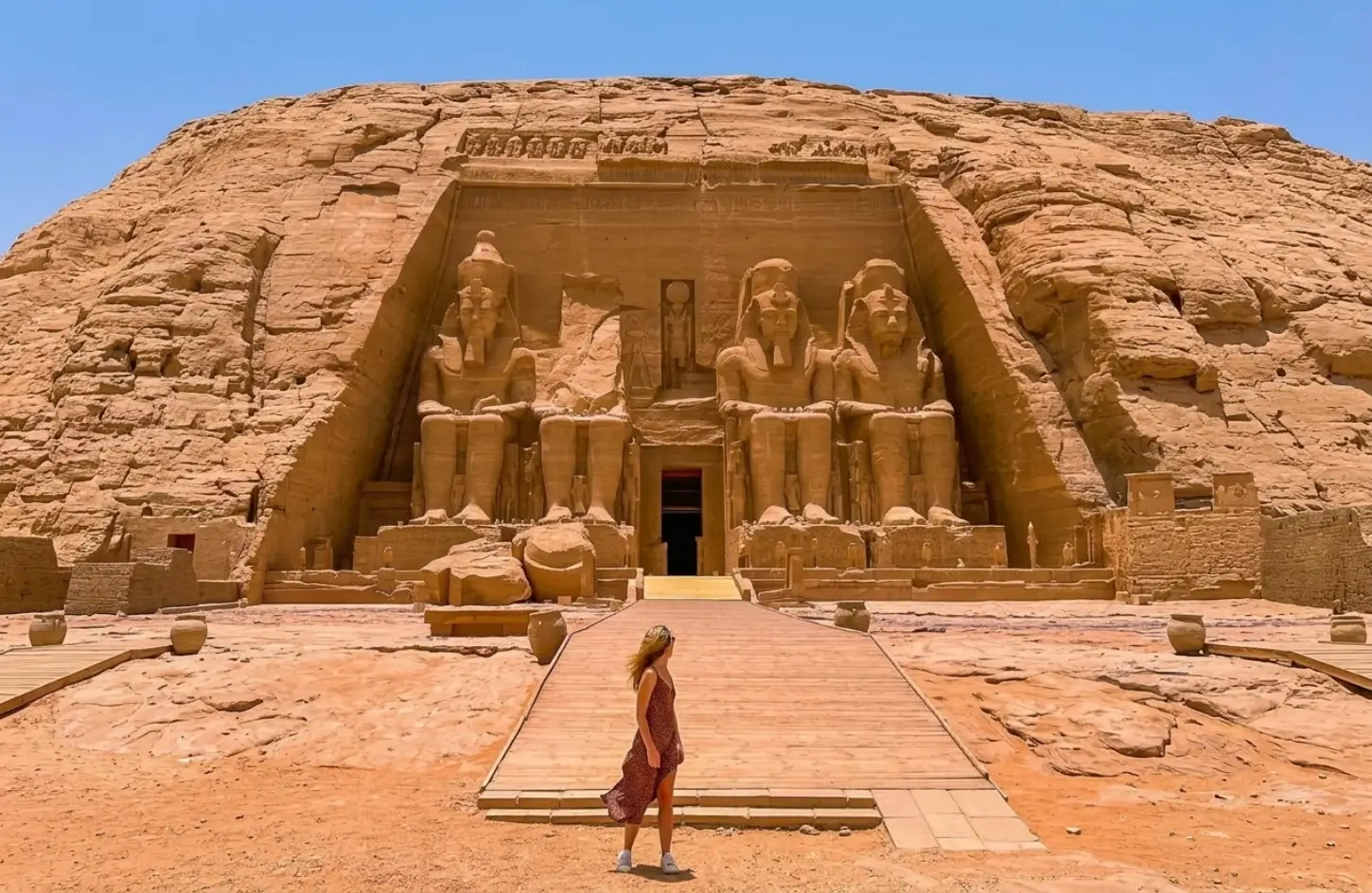
Twice a year, an extraordinary alignment occurs at the Great Temple of Ramses II at Abu Simbel, in Egypt’s deep south near the Sudanese border. On February 22nd and October 21, the rising sun penetrates 65 meters through the temple’s entrance corridor and illuminates the sanctuary at the far end — bathing the statues of Ramses II, Ra-Horakhty, and Amun in golden light, while leaving the statue of Ptah (god of the underworld) in shadow.
The ancient Egyptian architects aligned this temple with such precision that this phenomenon occurs only on these two days, believed to correspond to Ramses’ coronation and birthday, respectively.
Practical tips for attending:
- Book accommodation in Abu Simbel or Aswan well in advance — the event draws large crowds.
- The illumination occurs at sunrise (around 6:00–6:20 AM, depending on the date). Arrive at the temple before 5:30 AM.
- The February event is larger and more attended; the October event is slightly quieter and easier to access.
- Local Nubian cultural performances and celebrations take place outside the temple in the evening before the event.
Planning your trip to Egypt? Explore our expert Egypt travel tips and discover everything you need to know for a safe, smooth, and unforgettable adventure.
The Best Time for Specific Attractions
Planning your trip to Egypt? Knowing the best times to visit attractions is key. Each spot has its own best time to visit, making your trip better.
The Pyramids of Giza are best seen early in the morning or late in the afternoon. This avoids the hot sun. The cooler times make exploring more fun.
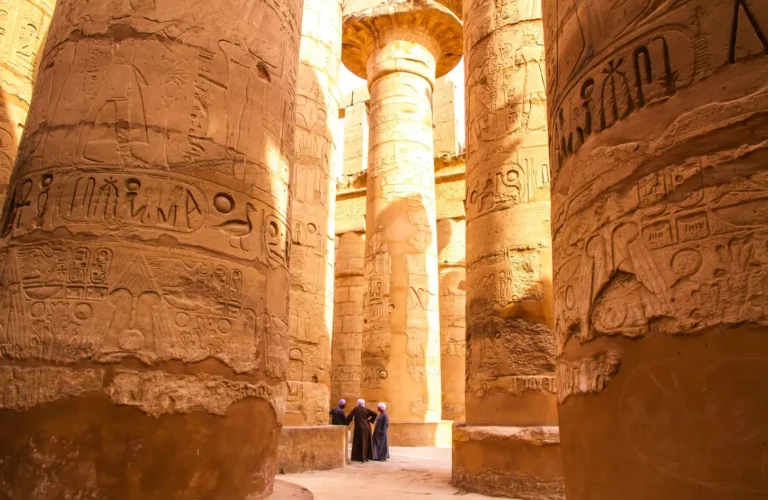
Temples and Tombs: Visit these from October to February for the best weather. The mild air is perfect for seeing Luxor’s Karnak Temple and the Valley of the Kings.
The Nile River is great all year, but cooler months are better. Spring or autumn is best for felucca rides or cruises. The weather is nice, and there are fewer people.
For desert adventures, like sandboarding or camel treks, cooler months are best. The desert gets very hot in summer. So, visit early morning or late afternoon, even in cooler months.
In short, knowing the perfect time to explore Egypt makes your trip better. Plan your visits for the best season at each spot. This way, your trip will be more fun and memorable.
Best Times by Traveller Type
- First-time visitors / cultural sightseeing: October–November or February–March. Best weather, manageable crowds, good value, for the best time to visit Egypt
- Nile cruises: October to April. Avoid summer — midday temple visits become exhausting.
- Red Sea diving: September–November for the best balance of water temperature for snorkeling, visibility, and crowd levels. June–August for the warmest water.
- Budget travellers: May–June or September offer the best prices without the extreme July–August heat.
- Families with children: October–November or February–March. Avoid July–August inland — the heat is too intense for young children at open-air sites.
- Photography: February–March (golden light, manageable heat, some Khamaseen drama) or October (soft afternoon light, thin crowds).
- Adventure/desert safaris: October to March. The Western Desert (Siwa, White Desert, Black Desert) is at its best in cooler months. Avoid May–September.
Planning Around Egypt’s Major Holidays and Events
Here is a summary of the key dates and events to factor into your planning:
| Event | Approximate Date | Impact on Visitors |
|---|---|---|
| Coptic Christmas | January 7 | Celebrations in Cairo’s Coptic quarter; festive atmosphere |
| Abu Simbel Sun Festival | February 22 | Major draw — book accommodation far in advance |
| Ramadan | Varies (shifts ~11 days earlier each year) | Reduced business hours; unique cultural experience |
| Eid Al-Fitr | End of Ramadan (3-day public holiday) | Domestic travel peaks; book ahead |
| Sham El-Nessim | Day after Coptic Easter (April/May) | Egyptian spring festival; parks and beaches are crowded |
| Eid Al-Adha | Varies — 70 days after Eid Al-Fitr | Major public holiday; some closures |
| Abu Simbel Sun Festival | October 21 | Smaller and more accessible than the February event |
| Cairo Int’l Film Festival | Mid-November | Cultural highlight: Cairo Opera House events |
| New Year | December 31–January 1 | Highest prices of the year at hotels and resorts |
Frequently Asked Questions
What is the cheapest month to visit Egypt?
The cheapest months to visit Egypt are June, July, and August. Because summer heat deters many tourists, airlines, hotels, and tour operators drop prices significantly during this period. If you are heat-tolerant and plan your sightseeing for early mornings and evenings, you can save 30–50% compared to peak-season rates. September is also a good value and considerably more comfortable than the height of summer.
Is Egypt too hot in October?
No — October is actually one of our top recommended months. Temperatures in Cairo drop to around 28°C (82°F) and in Luxor to 33°C (91°F). While Luxor is still warm, October is entirely manageable, especially if you visit major sites in the morning and take a midday rest. The Red Sea is still warm enough for swimming and diving. October combines good weather, thinner crowds than winter, and competitive prices.
Does it rain in Egypt?
Rarely. Egypt is one of the driest countries on Earth. Cairo receives an average of just 25mm of rain per year, mostly between November and March. Luxor and Aswan can go several years without measurable rainfall. Alexandria and the Mediterranean coast are the exception — they see more frequent (though still light) winter rain. For practical purposes, you should not factor rain into your Egypt planning unless you are visiting Alexandria in January or February.
When is Ramadan in Egypt in 2025 and 2026?
Ramadan in 2025 runs from approximately 1–30 March (the exact start depends on the moon sighting). In 2026, Ramadan is expected to begin around 17–18 February and end around 18–19 March. Because Ramadan follows the Islamic lunar calendar, it shifts approximately 11 days earlier each year on the Gregorian calendar.
What is the best month to take a Nile cruise?
The best months for a Nile cruise are October–November and February–March. These shoulder months offer comfortable temperatures for outdoor temple visits (which form the main activity on any Nile cruise), fewer tourists at the major sites, and good availability of boats. December and January are also excellent, but come with peak-season prices and crowds. Avoid June–August if possible — midday temple visits in 42°C heat are genuinely unpleasant even with air-conditioned boat cabins.
What is the best time to visit the Pyramids of Giza?
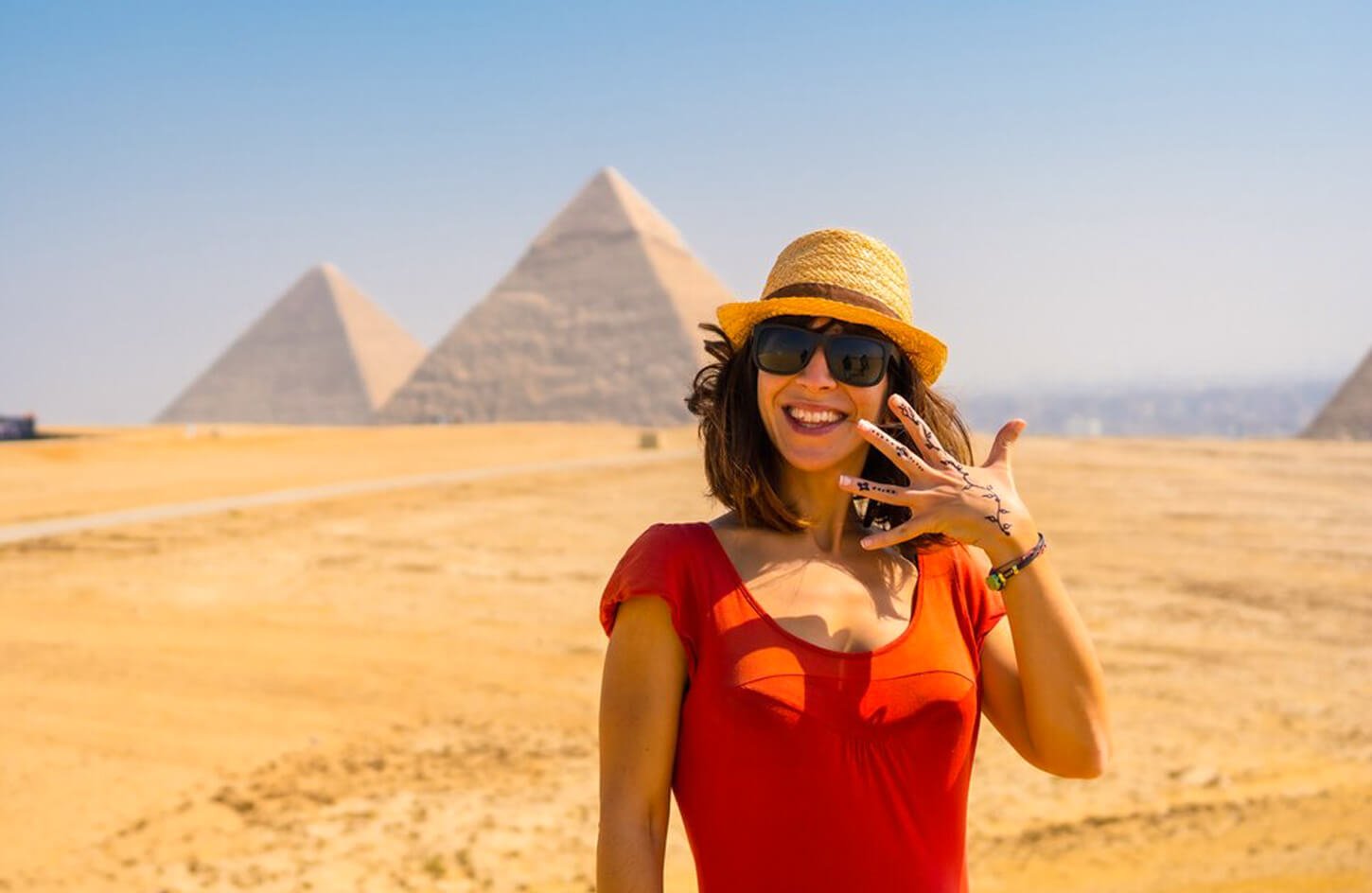
For the weather, the best time to visit Egypt to visit the pyramids is from October to April. For the experience, visit as early as possible — the site opens at 8 AM (7 AM in summer), and the most impressive light and fewest crowds are in the first hour. Avoid visiting the Pyramids in July or August if you can, as the exposed plateau offers virtually no shade and midday temperatures exceed 36°C in Cairo. If you’re already in Egypt during the summer, go right at opening time.
Is it safe to visit Egypt in summer?
Yes, Egypt is safe to visit in summer. The main challenge is the heat, not safety. With the right precautions — starting sightseeing early, staying hydrated, resting midday, and wearing sun protection — many travelers enjoy summer in Egypt, particularly on the Red Sea coast, where the water provides relief. Nile cruises with air-conditioned cabins are also a practical way to experience Upper Egypt in summer.
What is the Khamaseen wind?
The Khamaseen (also spelled Khamsin) is a hot, dry, sand-laden wind that blows into Egypt from the Sahara Desert between late March and May. Individual events typically last 1–3 days and can sharply raise temperatures while dramatically reducing visibility. They are most disruptive in open desert areas and at outdoor archaeological sites. The Khamaseen is a normal part of the Egyptian spring — most visitors experience at most one or two brief events during a two-week trip, if any.
Ready to plan your Egypt trip? Our specialists at Misk Tours can help you match your travel dates to the perfect itinerary — whether you want a Nile cruise, a Red Sea diving holiday, or a private tour of the pharaonic monuments. Get in touch for a free consultation.
Final Thoughts on Timing Your Visit
Now you know about Egypt’s climate and when tourists come. The best time to visit Egypt is from October to April. The weather is cooler and nicer than.
If you want to avoid crowds and save money, go from October to November or February to April. These times are perfect for seeing Egypt’s sights without the hassle.
Whether you want to see ancient ruins, take a Nile cruise, or enjoy the beach, timing is key. By skipping the summer heat and avoiding holidays, your trip will be better. This guide helps you plan your Egyptian adventure and enjoy every moment