By the Misk Tours Team | Egypt-based travel specialists | Last verified: May 2026
The Egyptian pyramids are not all that Egypt has to offer. Each week at Misk Tours, we hear from vacationers who are astounded by the knowledge that Egypt hosts one of the best beach resorts in the world, with year-round warm weather, coral reefs a stone’s throw away from the beach, as well as various resort hotels – from modest to lavish five-star properties.
We’ve been arranging beach holidays to Red Sea and Sinai destinations for many years now, and the question we are asked each time remains the same: Which beach is really the best? Is it worth seeing during the summer months? What does it actually cost?
This article will provide you with the answers.
What Are the Best Beaches in Egypt?
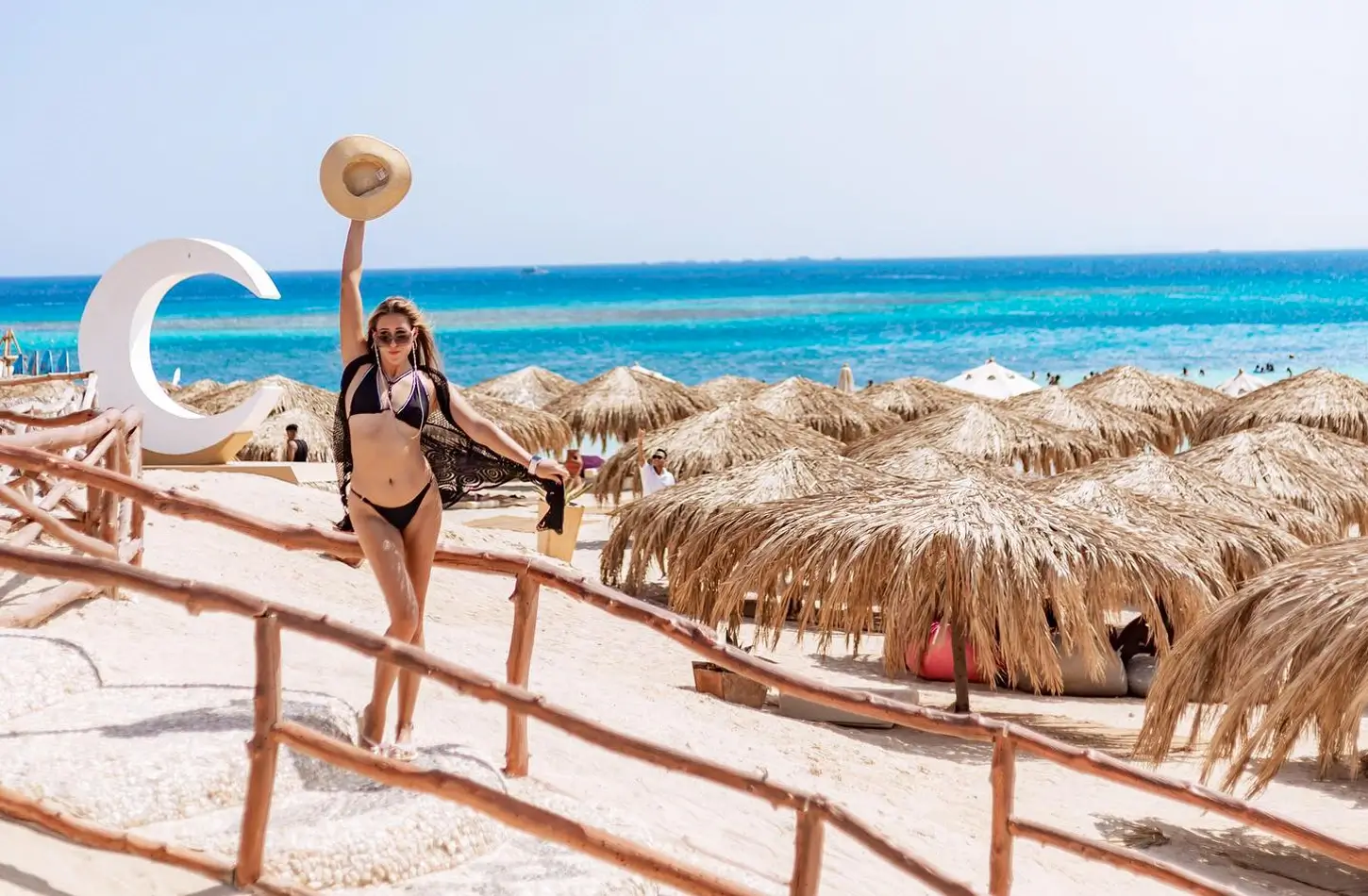
Egypt’s beaches fall into two distinct coastlines, each with a completely different character.
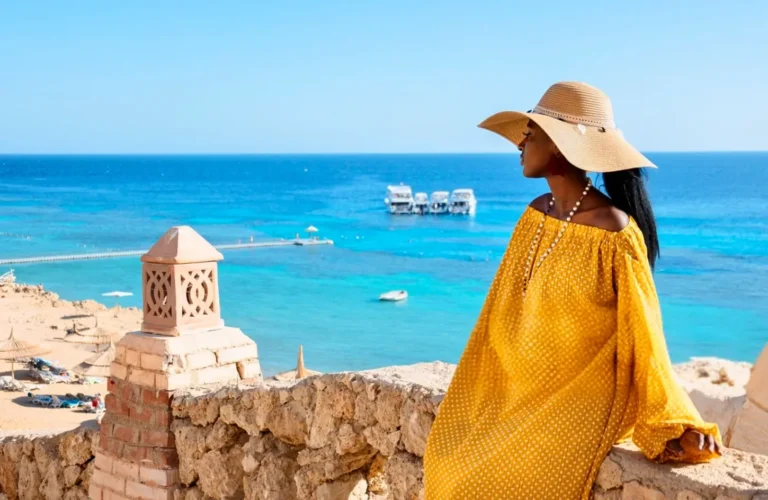
The Red Sea coast, stretching from Ain Sokhna in the south through Hurghada, El Gouna, Soma Bay, Marsa Alam, and beyond, is the most familiar image to international visitors. Its water temperature ranges from 22 to 28 degrees Celsius year-round, visibility regularly exceeds 20 meters, and coral reefs begin just meters from the shore. A world-class destination for diving and snorkeling, it forms the core of Egypt’s tourist resort infrastructure.
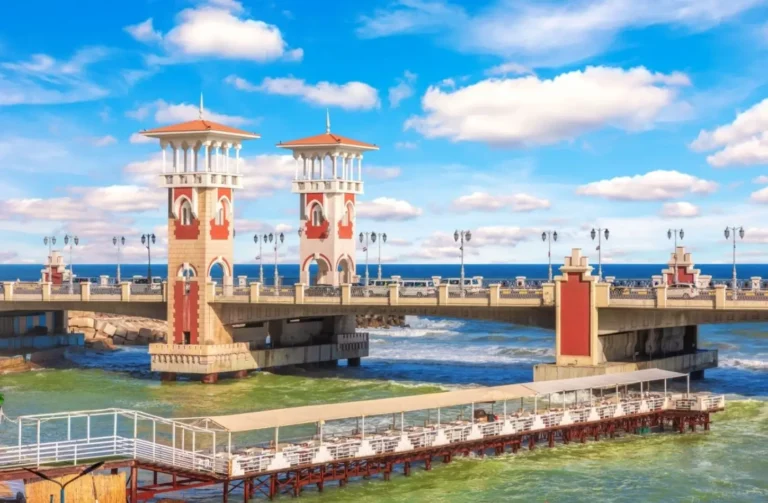
Mediterranean beaches around Alexandria and stretching as far west as Marsa Matrouh offer an entirely new experience, one with colder water, pure white sands, and turquoise waters reminiscent of Greece rather than a tropical climate. Fewer foreigners visit the Mediterranean region because it is primarily a summer vacation destination for Egyptians.
In the Sinai Peninsula, a third coastal feature stands out: the Gulf of Aqaba, home to Sharm El Sheikh, Dahab, and Nuweiba. The waters here are warmer and calmer than those of the open Red Sea, and boast some of the most impressive coral reefs anywhere on Earth.
| Beach / Destination | Best For | Avg. Mid-Range Hotel | Water Visibility | Nearest Airport |
|---|---|---|---|---|
| Sharm el-Sheikh | Diving, resorts, nightlife | $80–$180/night | 20–30 m | SSH (on-site) |
| Hurghada | Families, all-inclusives | $60–$150/night | 15–25 m | HRG (on-site) |
| Dahab | Divers, backpackers, kite | $30–$90/night | 20–30 m | SSH (1.5 hrs) |
| Marsa Alam | Eco-tourism, turtles | $70–$160/night | 20–30 m | RMF (on-site) |
| El Gouna | Luxury, couples, sailing | $90–$220/night | 15–25 m | HRG (30 min) |
| Soma Bay | Luxury, spa, golf | $100–$250/night | 15–20 m | HRG (45 min) |
| Sahl Hasheesh | Upscale, honeymoons | $100–$230/night | 15–25 m | HRG (20 min) |
| Ain Sokhna | Weekend escapes from Cairo | $50–$130/night | 10–15 m | CAI (2 hrs) |
| Marsa Matrouh | Mediterranean, quiet | $40–$100/night | 8–15 m | MUH (on-site) |
| Nuweiba | Off-grid, Bedouin | $20–$70/night | 15–25 m | SSH (2.5 hrs) |
Sharm El Sheikh Beaches: What to Know Before You Travel
Located at the southern tip of the Sinai Peninsula, where the Gulf of Aqaba meets the Red Sea, Sharm El Sheikh is Egypt’s most world-class beach destination. A purpose-built resort city, it boasts its own airport, a well-developed diving sector, and a coastline that lives up to its reputation.
A tip we always give to first-time visitors to Sharm El Sheikh: it’s bigger and more expensive than it appears on a map. The main areas—Naama Bay, Nabq Bay, El Hadaba, and Sharks Bay—are separated by several kilometers. Choosing the wrong area can lead to expensive taxi fares each evening, so it’s worth knowing what each bay offers before booking.
Naama Bay—Best for First-Timers and Nightlife
Naama Bay is the first part that made Sharm El Sheikh the city it is, and continues to be the most lively place within it. This beach is characterized by its sandy, clean, and clear beaches with a relatively calm sea. The promenade is lined with many restaurants, diving centers, and coffee shops where people can enjoy themselves late into the night. Those looking for an accessible beach, a lively atmosphere, and varied nightlife should opt for Naama Bay.
The beach does not offer much access to the sea in terms of sandy shores, but only a jetty or pontoon for entry. Visibility at Naama Bay ranges between 15 and 20 meters, and reef fish may be seen just a few meters from the beach itself. Snorkel equipment may be rented in Naama Bay at $1-$2 per hour.
Nabq Bay – Best for Families and Calm Waters
Nabq Bay can be found 15 kilometers to the north of the city center of Sharm El Sheikh and features a peaceful and quiet beach. It has ecological significance because its northern end is occupied by the mangrove reserve. Because there are fewer resorts here than in Naama Bay, prices are 10-20% lower, and there is also an active promenade.
This area has few resorts and no parks, making it quieter than Naama Bay, which is more tourist-populated. Families with small kids always prefer this place since it is safe because of its calm waters. This place has some big resorts, like the Marriott and Iberotel, and they charge between $90 and $130 per night.
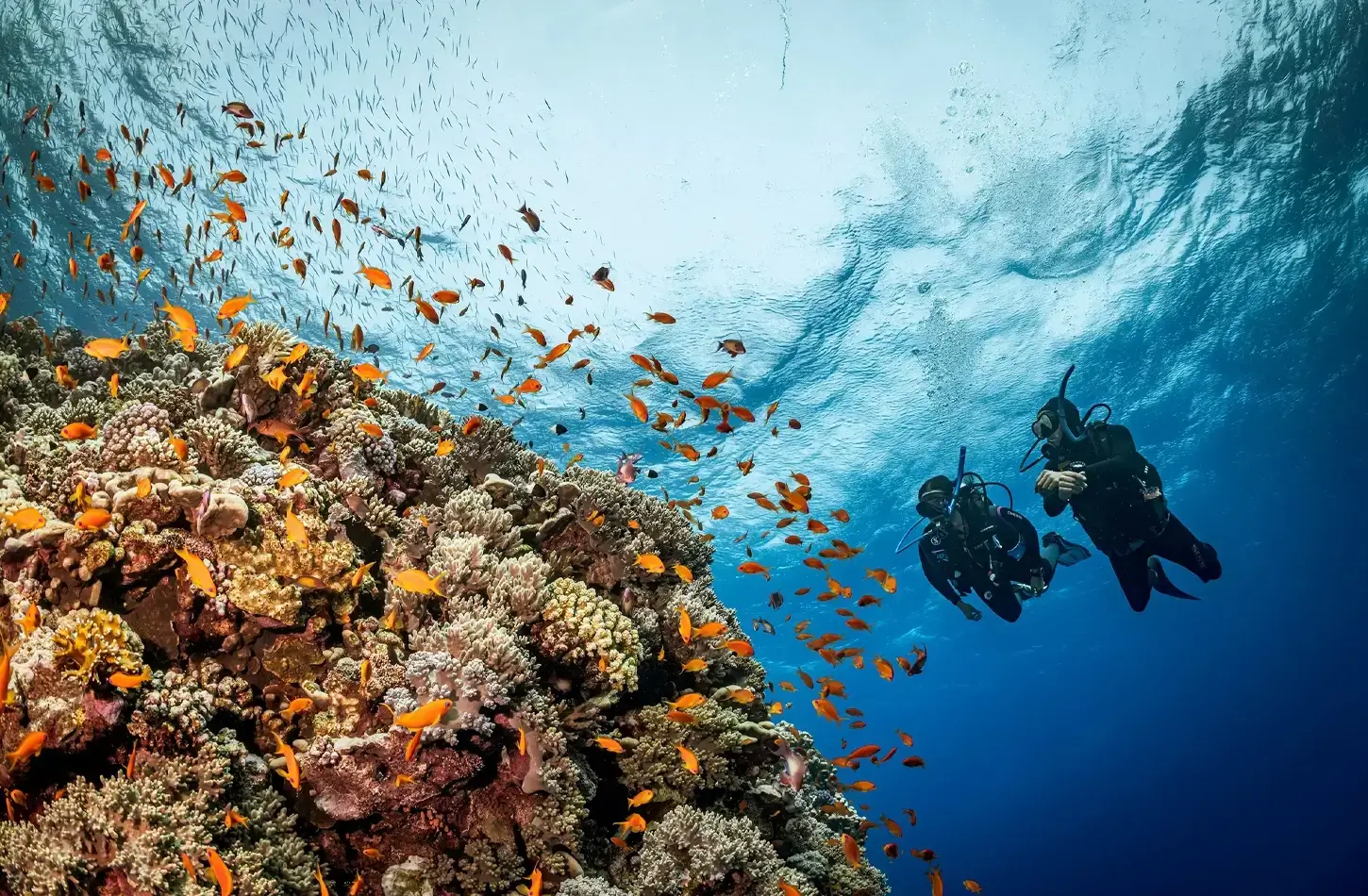
Ras Mohammed National Park — Best for Serious Divers
Ras Mohammed sits at the very tip of the Sinai and is one of the most celebrated dive sites in the world, not just in Egypt. The wall dives here — particularly Shark Reef and Yolanda Reef — drop away into blue water with a density of fish life that stops experienced divers mid-sentence. A day trip from Sharm by boat costs approximately $60–$90 per person, including two dives, equipment, and lunch. This is non-negotiable on any serious diver’s itinerary.
Pro tip from our team: Book Ras Mohammed dives through your hotel’s dive center rather than walk-in operators on the promenade. The quality difference in equipment and briefing is significant, and the price gap is usually small.
Hurghada Beaches: Red Sea Resorts, Reefs, and What to Actually Expect
Hurghada is the most easily accessible destination on the Red Sea. Direct charter flights from most European cities land at Hurghada International Airport (HRG), which is located close to the resort area, allowing you to reach your hotel pool within 30 minutes of landing. This, combined with a wide variety of resorts to suit all budgets, from budget-friendly all-inclusive resorts to luxurious five-star resorts, makes Hurghada the busiest beach destination in Egypt.
However, in our honest opinion, it’s not the most beautiful coastline in Egypt. The city itself is sprawling and not particularly scenic. Resort beaches are excellent, but the quality of public beaches varies considerably. If you’re planning to book your stay in Hurghada, the quality of the resort you choose is a more crucial factor here than almost anywhere else in Egypt.
Sahl Hasheesh – The Luxury Destination South of the City
Situated about 18 kilometers from the city center of Hurghada, Sahl Hasheesh resort town offers an entirely new environment that contrasts sharply with the bustling city. The beach is 12.5 kilometers long along a quiet coastline. The hotel facilities are top-notch, and some of the best resorts on the Egyptian Red Sea are the Oberoi Sahl Hasheesh, Baron Palace, and Tropitel Sahl Hasheesh. Luxury rooms have rates between $130 and $230 per night.
Old Town promenade in Sahl Hasheesh offers wonderful dining and shopping opportunities in the evening, without the hustle of Hurghada. A boat ride takes you to Paradise Island, where you can enjoy a very special diving experience at a nature reserve that cannot be found anywhere else in the southern regions.
Dine and shop in Sahl Hasheesh in the evening, without the hustle of Hurghada. The boat ride will take you to Paradise Island, where you can enjoy a unique diving experience at a nature reserve that cannot be found anywhere else in the southern region.
Giftun Island – The Diving Standard
Accessible by a 20-30 minute boat ride from Hurghada, Giftun Island is the benchmark against which most day trips to the Red Sea are measured. The shallow coral reefs surrounding Little and Big Giftun boast some of the most beautiful coral gardens accessible on a day trip, and their pristine white sand beaches are breathtaking. Day trips cost between $25 and $45 per person, including the boat, snorkeling equipment, and lunch.
El Gouna – The All-Inclusive Lagoon City
Located 20 kilometers north of Hurghada, El Gouna is a fully integrated resort city built on a network of artificial lagoons and islands. Often described as the “Venice of Egypt,” El Gouna features its own canal network, a marina, a hospital, schools, restaurants, and airport transfers. Its unique architectural style blends Nubian and Mediterranean influences, making it a truly enjoyable place to explore.
El Gouna boasts exceptional watersports infrastructure, including kitesurfing schools, sailing clubs, diving centers, and a renowned world kitesurfing championship (the GKA Kite World Cup). Couples and travelers seeking a sophisticated and tranquil resort away from the hustle and bustle of Hurghada consistently choose El Gouna. Nightly rates at top hotels range from $90 to $180 USD.
Our team’s tip: Explore El Gouna by tuk-tuk or bicycle rather than by taxi. The distances between the islands are short, the roads are safe, and the stunning canal views are among the top reasons to visit.
Dahab: Egypt’s Best Beach for Divers and Budget Travelers
Located about 90 kilometers north of Sharm El Sheikh on the Gulf of Aqaba coast, Dahab has a completely different feel from other Egyptian beach destinations. While Sharm El Sheikh and Hurghada are resort cities built on comfort and density, Dahab is a small, bohemian coastal town that has attracted divers, backpackers, and watersports enthusiasts for decades.
The beach stretches along a sheltered bay—the lagoon at the northern end—and the historic areas of Masbat and Asala on the waterfront in the town center. Cafes and dive shops line the promenade. Budget accommodation starts at $20–$40 per night, while mid-range guesthouses range from $50–$80. Dahab is considered one of the most affordable beach destinations in Egypt.
The Blue Hole—and the Real Picture of Safety
Located a few kilometers north of Dahab, the Blue Hole is one of the world’s most famous dive sites. It is a 160-meter-deep sinkhole that opens directly onto a coral reef. The underwater scenery—especially the arch at a depth of approximately 52 meters—is breathtaking. It has claimed the lives of several divers who attempted to reach the arch at such depths and is considered one of the world’s most dangerous dive sites.
However, for recreational divers and snorkelers, the Blue Hole is perfectly safe, as the shallow rim surrounding it is one of the most beautiful snorkeling spots on the Sinai coast. For deep dives to the arch, Misk Tourism emphasizes the need for a technical diving certification, accompaniment by a certified Blue Hole guide, and a dry wetsuit. It is not recommended for divers with an open water diving certification, regardless of their experience level. This is a lifesaver.
The cost of a day trip to the Blue Hole from Dahab ranges from $10 to $20 USD, including transportation. Guided recreational diving trips (not to the bow) from a reputable Dahab company range from $40 to $60 per dive.
Dahab Lake – The Windsurfing Capital of Sinai
Located at the northern edge of the city, Dahab Lake is a wide, shallow bay with consistent winds, making it one of the best windsurfing destinations in the Middle East. Equipment rentals and lessons are available from several certified schools, with prices ranging from $50 to $80 per lesson (half a day). Windsurfing, stand-up paddleboarding, and kayaking are also available, and the shallow, calm waters are ideal for beginners.
Team Tip: Dahab’s waterfront restaurants offer fresh seafood grilled to order. Grilled grouper at the small restaurants along Masbat Street is always a highlight. Budget between EGP 150 and EGP 250 for a full meal.
Marsa Alam: Egypt’s Quietest Red Sea Coast
Marsa Alam is what Hurghada was like before the arrival of massive tourist infrastructure. Located on the southern Red Sea coast, about 220 kilometers south of Hurghada, it offers pristine coral reefs, tranquil beaches, and a relaxed pace of life hard to find elsewhere in Egypt.
The marine life here is exceptional, even by Red Sea standards. Abu Dabbab Bay is one of the few places in the world where swimming with wild dugongs has been regularly documented. Sea turtles are common—we have seen clients wade knee-deep in Abu Dabbab Bay and come face-to-face with a hawksbill turtle within five minutes. This kind of encounter is unheard of in the more developed northern tourist areas.
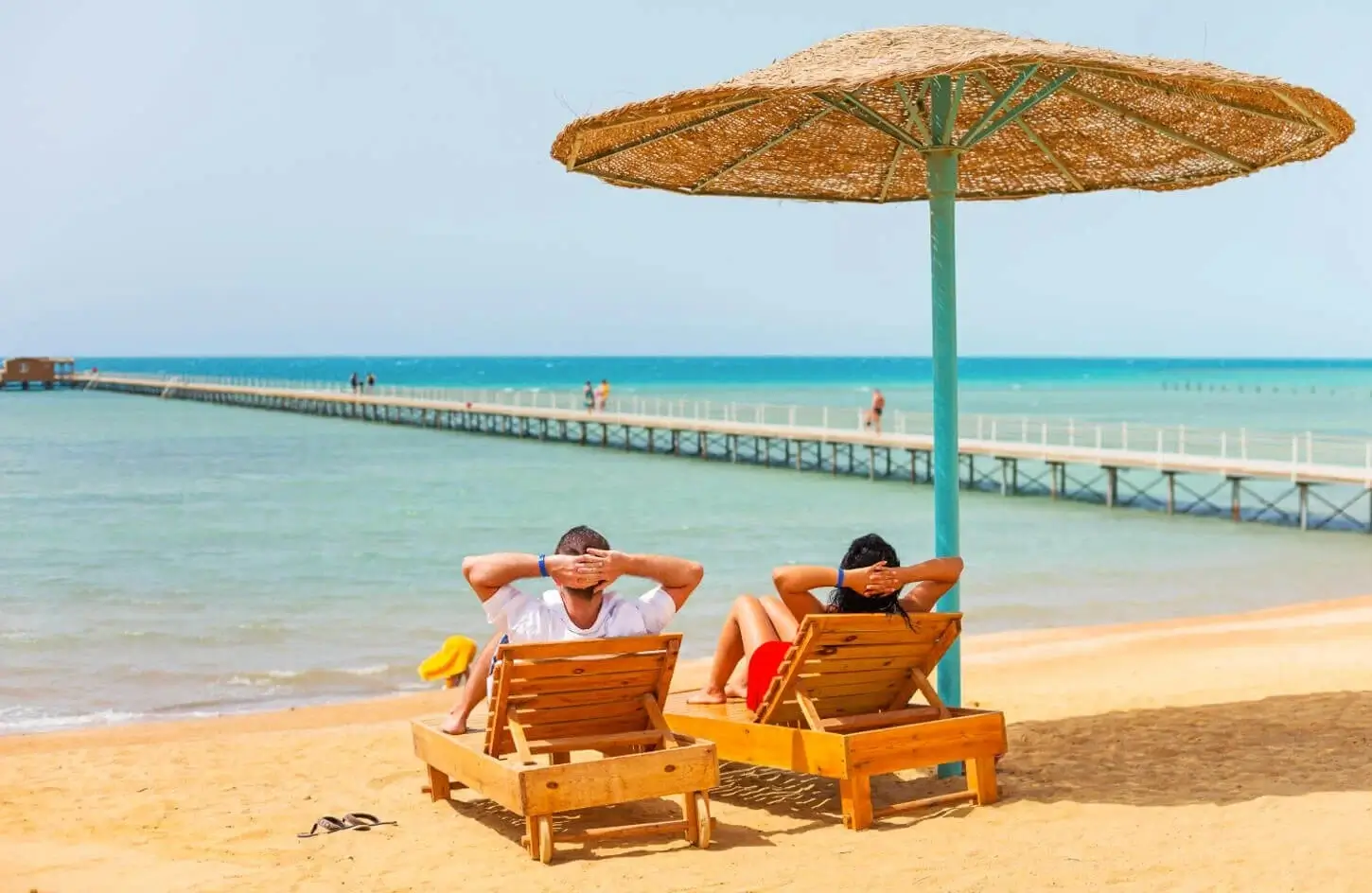
Abu Dabbab Bay—Sea Turtles and Shallow Coral Reefs
Located about 30 kilometers north of Marsa Alam, Abu Dabbab Bay features a long sandy beach, shallow seagrass meadows (where dugongs feed), and a coral wall on the bay’s right side. This bay is considered one of the best diving spots in Egypt for observing a wealth of marine life. Beach entrance fees are approximately 100 Egyptian pounds. Snorkeling equipment is available for rent at the beach facilities.
The bay lies within the Wadi El Gemal National Park, which limits urban development and preserves its tranquility even during peak tourist season.
Elphinstone Reef – For Advanced Divers Only
Located a few kilometers off the coast of Marsa Alam, Elphinstone Reef is consistently ranked among the world’s best dive sites by professional diving publications. The two plateaus at the northern and southern ends of the reef descend from depths of 30 to 45 meters, and their walls are exceptionally dense with soft coral. Oceanic whitetip reef sharks, hammerhead sharks, and manta rays are regularly sighted here.
This is an open water dive site where currents can be strong and unpredictable. Reputable tour operators charge between $70 and $100 per dive, including a brief explanation, guide, and boat. The minimum requirement is an intermediate diving certificate, and obtaining an advanced diving certificate is highly recommended.
Marsa Matrouh and the Mediterranean: Egypt’s Other Coastline
Most international tourists don’t visit Marsa Matrouh, which is precisely why those who do are so captivated by it. Located on the Mediterranean coast, 240 kilometers west of Alexandria, the city boasts beaches reminiscent of southern Greece or Turkey – shallow, turquoise waters over white sand, sheltered from the open sea by a natural rock formation that keeps it calm even during the Mediterranean’s roughest periods.
Its waters are cooler than those of the Red Sea – typically ranging from 18 to 26 degrees Celsius depending on the season – and the coral reef infrastructure and diving sector are much less developed. Its allure lies in its stunning waters and tranquil, natural atmosphere.
Cleopatra Beach and Agiba Beach
Located in the heart of Marsa Matrouh, Cleopatra Beach is the city’s most famous and photographed beach – its soft white sand, rock formations, and crystal-clear blue waters make travelers wonder if the photos are real. Its color is indeed like that. Entry is free, and renting a sun lounger costs between 30 and 50 Egyptian pounds.
Agiba Beach, located 25 kilometers west of the city, is even more stunning. Situated at the foot of limestone cliffs with no buildings above them, it is accessible via a steep path. The views are breathtaking, and it is much less crowded than Cleopatra Beach. To reach it, you need either a private car or a taxi from Marsa Matrouh (approximately 80-120 Egyptian pounds per trip).
How do Mediterranean beaches differ from Red Sea beaches?
The practical differences are worth noting. Red Sea beaches are built around tourist resorts, diving centers, and water sports facilities. They are open year-round and primarily target international visitors. Mediterranean beaches in Egypt, on the other hand, are seasonal (peaking from June to August, with the rest of the year quiet), primarily serve local Egyptian visitors, and lack extensive international tourist infrastructure. English is less widely spoken, and independent travel is easier for Arabic speakers.
Conversely, Mediterranean beaches feel more natural and less artificial. If authenticity and visual beauty are more important to you than easy access to a diving center and overall comfort, Marsa Matrouh is worth considering.
Ain Sokhna: The Best Beach Getaway Near Cairo
Ain Sokhna is the closest beach destination for Cairo residents, located on the Gulf of Suez about 120 kilometers southeast of the city, roughly a 90-minute drive on the Cairo-Ain Sokhna highway. Its appeal lies in its accessibility: you can leave Cairo on a Friday morning and arrive on the Red Sea coast before noon.
While its beaches aren’t among the most beautiful in Egypt, the waters are calm and clean, the coral reefs are rich, and the snorkeling is decent. However, the coastline is dominated by private resorts with limited public access, and the surrounding landscape (desert hills and significant industrial development to the north) doesn’t quite match the beauty of Sinai or the southern Red Sea.
Ain Sokhna is ideal for: a long weekend getaway with the family, a short two-night trip away from the hustle and bustle of the city, or a stopover on a road trip to Hurghada. Resort prices here start at around $50-$80 per night for a mid-range room with beach access, significantly lower than at similar resorts in Hurghada.
Best months: October to April. Summer temperatures in Ain Sokhna regularly exceed 38°C, and the resorts are packed with families from Cairo.
Soma Bay, Nuweiba, and Other Beaches Worth Visiting
Soma Bay
Located on a small peninsula about 45 kilometers south of Hurghada, Soma Bay boasts a collection of luxurious resorts. Among them are the Oberoi Beach Resort Sahl Hasheesh and the Kempinski Soma Bay, both consistently ranked among the best hotels in Egypt. The beach is known for its white sand and crystal-clear waters, and the peninsula’s secluded location ensures a peaceful and uncrowded experience. If budget isn’t your priority and your goal is complete relaxation, Soma Bay is an unparalleled choice. Prices start from around $150 USD per night at the luxury resorts.
The Cascades Golf Course in Soma Bay, designed by Gary Player, is considered the best in Egypt and one of the finest resort courses in Africa—a must-see for traveling golf enthusiasts.
Nuweiba
Located about 70 kilometers north of Dahab on the Sinai coast, Nuweiba is an ideal destination for travelers seeking to get off the usual tourist trails. The town has a small ferry port connecting it to Aqaba in Jordan, Bedouin camps offering stargazing excursions in a desert reminiscent of Wadi Rum, and an exceptionally tranquil beach. Accommodation is inexpensive (US$20-60 per night) and basic. There are no nightclubs, no queues for dive boats, and no street vendors on the beach. The sunrise over the Saudi Arabian mountains from the shores of Nuweiba is one of the most spectacular views in Egypt.
Ras Sudr
Located on the Gulf of Suez between Cairo and Sharm El Sheikh, Ras Sudr is considered Egypt’s premier destination for kitesurfing and windsurfing thanks to its consistent winds. Its calm waters and regular northerly winds have made it a staple on the watersports calendar. The beach isn’t overcrowded outside the watersports community, and it’s a pristine, tranquil stretch of coastline.
Taba is located in the far northeast of Sinai, on the Egyptian-Israeli border. The scenery here is truly breathtaking, with the mountains of Jordan, Saudi Arabia, and Israel all visible simultaneously from the water’s edge, their pink and yellow hues shifting throughout the day. Snorkeling off the coast of Taba is a fantastic experience, as the coral reefs begin just meters from the shore. Despite its beauty, the area remains relatively undisturbed by tourists, largely because of its distance from major airports.
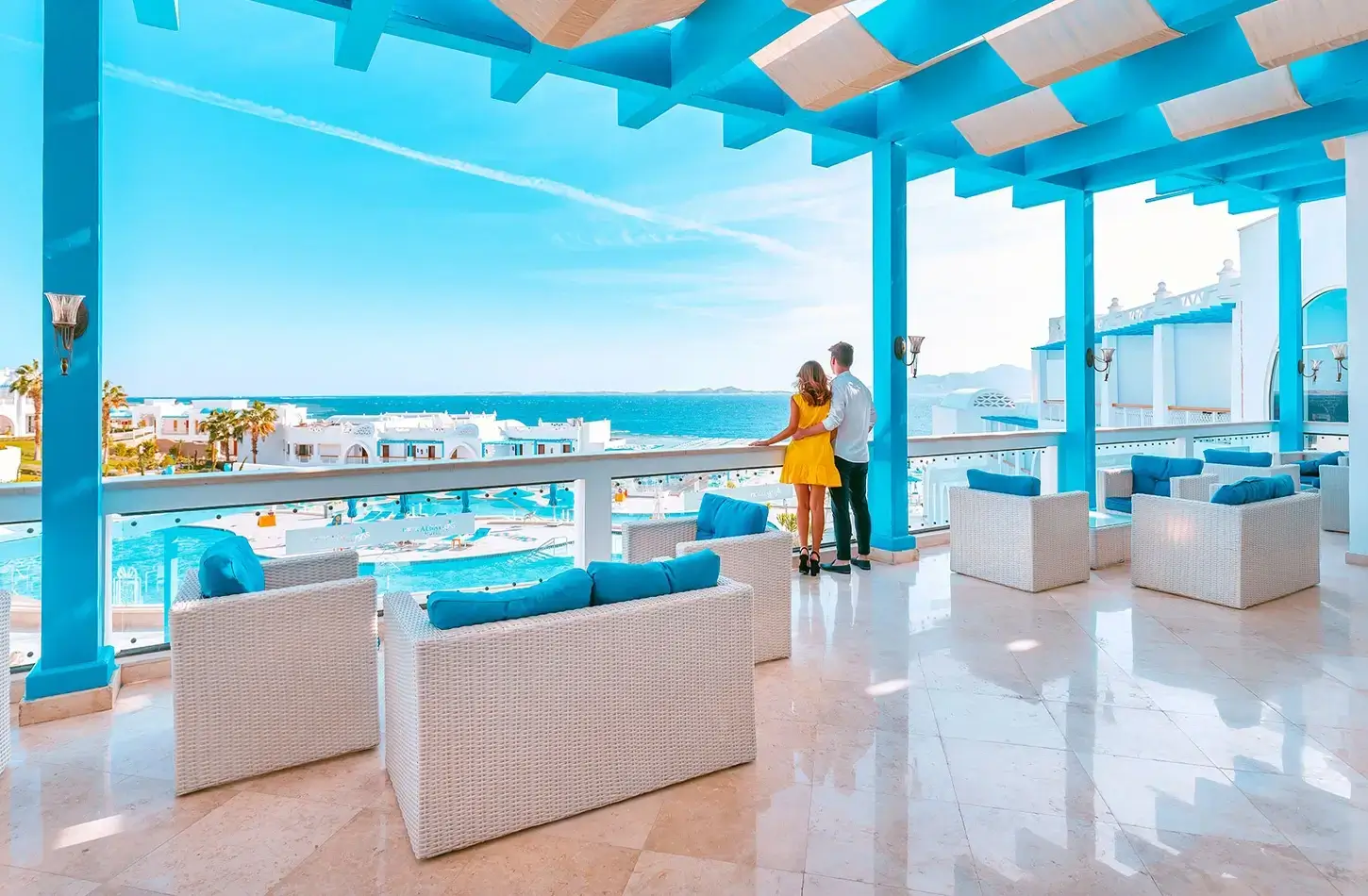
Beach Resorts in Egypt: How to Choose the Perfect Resort?
After years of answering this question, we’ve found that the biggest mistake travelers make is choosing a resort based solely on its star rating. A five-star hotel in an unsuitable location will offer a worse experience than a four-star hotel in a prime bay.
All-inclusive vs. Luxury Resorts
All-inclusive resorts dominate the Egyptian Red Sea market and are a good option for some travelers, especially families, first-timers, and those seeking complete relaxation without having to worry about arrangements. The quality of all-inclusive resorts in Egypt has improved significantly over the past five years; Hilton, Marriott, Rixos, and Iberotel hotels in Sharm El Sheikh and Hurghada now offer truly excellent food and facilities.
Luxury resorts and smaller guesthouses—most common in Dahab, Nuweiba, and Marsa Alam—suit travelers who want to interact with the destination rather than stay within a complex. However, the accommodation experience is less stable, and the beach infrastructure is usually less luxurious.
Resort Zones by Destination with Average Nightly Rates
| Destination | Budget | Mid-Range | Upscale | Notable Properties |
|---|---|---|---|---|
| Sharm el-Sheikh | $40–$70 | $80–$150 | $180–$400+ | Four Seasons, Rixos, Hyatt |
| Hurghada | $30–$60 | $70–$130 | $150–$300 | Steigenberger, Hilton |
| El Gouna | $60–$90 | $100–$180 | $200–$350 | Movenpick, Sheraton |
| Soma Bay | — | $120–$180 | $200–$400 | Oberoi, Kempinski |
| Sahl Hasheesh | — | $100–$160 | $200–$380 | Oberoi, Baron Palace |
| Dahab | $20–$40 | $50–$90 | $100–$160 | Cataract Dahab, Nesima |
| Marsa Alam | $50–$80 | $90–$160 | $180–$300 | Shams Alam, Marsa Shagra |
| Ain Sokhna | $40–$70 | $80–$130 | $150–$250 | Stella, Porto Sokhna |
All rates are approximate for the 2026 high season; budget season (May–June, September–October) is typically 20–30% lower.
Best Time to Visit Egypt Beaches by Month
“Best Time to Visit Egypt” is one of the most common questions we receive, and it deserves a straightforward answer rather than vague seasonal generalizations.
| Month | Red Sea Weather | Mediterranean | Crowds | Our Verdict |
|---|---|---|---|---|
| Jan–Feb | 20–25°C, some wind | 12–17°C, cooler | Low | Good for Red Sea diving; cold for Mediterranean |
| Mar–Apr | 23–28°C, warming | 16–22°C | Low–Med | Excellent — best shoulder season |
| May | 28–33°C | 22–26°C | Low | Great weather, lowest prices of year |
| Jun–Aug | 33–38°C+ | 28–32°C | Very high | Too hot for most; Marsa Matrouh peaks in Aug |
| Sep–Oct | 28–33°C | 24–28°C | Low–Med | Excellent — best overall |
| Nov | 24–29°C | 18–23°C | Low | Strong choice, especially Sharm and Marsa Alam |
| Dec | 20–25°C | 13–18°C | Low | Good Red Sea diving; Christmas period gets busy |
Our honest advice: September and October are the best months for most travelers. Water temperatures reach their annual peak (up to 29°C in the Red Sea), air temperatures cool down after the intense summer heat, resorts are quiet, and prices are lower than their summer highs. March and April come in second.
In the summer, the weather is unsuitable for beach activities, and the Sharm El Sheikh-Hurghada corridor experiences heavy traffic from June to August.
Practical Tips Before You Travel
Visa, Flights, and Transfers
Most nationalities—including EU, UK, US, Australian, and Canadian citizens—can obtain an Egyptian e-Visa online before traveling for approximately US$25. Visas on arrival are also available at major Red Sea airports for US$25. We recommend applying online at least 72 hours before departure.
Charter and low-cost flights connect most European cities to Hurghada (HRG) and Sharm El Sheikh (SSH) airports. From Hurghada Airport to the city center: 15–20 minutes (US$5–10 by taxi). From Sharm El Sheikh to Naama Bay: 10–15 minutes. From Sharm El Sheikh to Dahab: approximately 90 minutes by car (US$25–40 by shared bus, or US$50–70 by private taxi).
What to pack
- High-protection, reef-safe sunscreen (at least SPF 50+; traditional sunscreens are harmful to coral reefs and are best avoided at Red Sea resorts)
- Water shoes or diving boots – most Red Sea beaches are coral reefs, not sand
- Light, long-sleeved layer – desert temperatures drop significantly after sunset, even in summer
- Reusable water bottle – tap water is not safe to drink anywhere in Egypt; bottled water costs between 5 and 10 Egyptian pounds (approximately US$0.15 to US$0.20) in supermarkets, while it costs between 30 and 50 Egyptian pounds in resort bars
- Paper copies of your e-visa confirmation – some airports still require printed documents
Water Sports: Understanding the Costs
| Activity | Typical Cost | Notes |
|---|---|---|
| Snorkelling day trip (Giftun/Tiran Island) | $25–$45 | Includes boat, gear, lunch |
| Single boat dive (Red Sea) | $35–$60 | Excludes equipment rental |
| PADI Open Water course | $300–$450 | 3–4 days; includes all materials |
| Windsurfing / kite lesson (half day) | $50–$80 | Best in Dahab, Ras Sudr |
| Dolphin snorkel tour (Marsa Alam) | $40–$60 | Samadai Reef; timed entry required |
| Quad bike desert tour (2 hrs) | $40–$60 | Available in most Red Sea resorts |
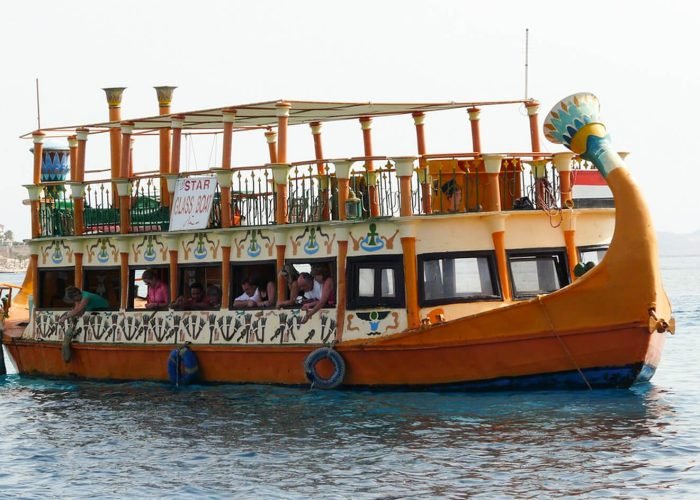
| Glass-bottom boat tour (1 hr) | $10–$20 | Family-friendly, no swimming required |
Frequently Asked Questions about Egypt’s Beaches
Does Egypt have great beaches?
Yes, Egypt boasts some of the world’s best beaches for diving. The Red Sea coast offers warm, clear waters year-round, with coral reef ecosystems that rank among the most biodiverse outside of Southeast Asia. The Mediterranean coast offers a more tranquil option with its white-sand beaches and shallow, turquoise waters, reminiscent of Southern Europe. The question isn’t whether the beaches are great, but rather which type of experience suits your taste—resort diving, luxurious relaxation, or tranquil authenticity.
What is the best beach in Egypt for diving?
For a unique diving experience suitable for non-divers, Abu Dabbab Bay near Marsa Alam and the coral reefs around Giftun Island in Hurghada are excellent choices. Abu Dabbab offers the best chance to see sea turtles and dugongs in their natural habitat. Giftun Island is rich in coral diversity and is easily accessible with a half-day trip from Hurghada’s resorts. In Sharm El Sheikh, the coral reefs of Ras Mohammed National Park are spectacular, but require a boat trip. The more accessible reefs of Naama Bay and Sharks Bay are ideal for beginner divers.
Is swimming safe on Egyptian beaches?
Yes, in most locations. Red Sea beaches within resort areas have lifeguards and designated swimming zones. Open-water locations, such as the Blue Hole in Dahab, Elphinstone Reef, and the exposed bays of Sinai, pose the same risks as any unsupervised open-water swimming – so swimming awareness and certification are essential. Jellyfish may occasionally be present in the Red Sea from late summer onwards, but they are not usually a major threat. The main dangers at Egyptian beach resorts are sunburn and dehydration during the summer months.
Are there beaches in Egypt near Cairo?
Yes. Ain Sokhna is located on the Gulf of Suez, about 120 kilometers from downtown Cairo, roughly a 90-minute drive via the Ain Sokhna Highway. It’s the only beach destination accessible by a day flight from the capital. For a longer journey, Hurghada is about a 5-6-hour drive from Cairo or a 45-minute domestic flight. When is the best time to visit Egypt for a beach holiday?
September to November and March to May are ideal times for most travelers. Temperatures are mild (25-32°C), the water is warm, resorts are less crowded, and prices are 20-30% lower than during the peak summer or Christmas season. Summer (June to August) is warmer and sees the highest air temperatures (35-40°C on average) and the largest number of tourists. From December to February, the weather is calmer and less expensive, with mild temperatures (18-25°C) that may feel cool in the evenings, but the Red Sea remains suitable for swimming, and diving conditions are excellent.
What’s the difference between Sharm El Sheikh and Hurghada?
Both are major tourist destinations on the Red Sea, but their atmospheres and geography are vastly different. Sharm El Sheik is located on the Gulf of Aqaba in the Sinai Peninsula, surrounded by stunning mountain scenery, and its waters are calmer and clearer. It also boasts a denser tourist strip, a more developed diving sector, and easier access to top dive sites like Ras Mohammed and the Straits of Tiran. Hurghada, situated on the open Red Sea coast, is more expensive and has developed into a self-contained city with its own infrastructure, more diverse accommodation options, a wider range of restaurants outside the resorts, and more competitive prices. For first-time visitors on a budget: Sharm El Sheikh. For first-time visitors looking for value: Hurghada.
Can you visit Egypt’s beaches without a tour package?
Absolutely. All the major Red Sea destinations—Sharm El Sheikh, Hurghada, Dahab, and Marsa Alam—are easily accessible independently. Accommodation can be booked through standard booking platforms, and activities can be arranged upon arrival at the hotel’s dive center. Domestic flights are also reasonably priced (a flight from Cairo to Hurghada or Sharm El Sheikh typically costs between $40 and $100 USD one way). However, a well-organized tour package from an experienced tour operator is usually as expensive as booking the components separately, or even less, with all logistics handled in advance. We recommend comparing the two options based on your specific dates of stay.
A final note from the Misk Tours team:
We organize beach trips to the Red Sea and Sinai for visitors from all over the world, and the most frequent refrain from our clients upon their return is that Egypt has truly surprised them. It’s not just the waters—though they are indeed as stunning as the photos suggest—but the sheer variety. You can travel from a five-star resort in Sharm El Sheikh, with its coral reefs and full-service spa, to a Bedouin camp on the tranquil beach of Nuweiba in just three hours. An afternoon in Marsa Matrouh feels like a scene from a Greek island. And you can snorkel with sea turtles at Abu Dabbab without having to share the water with fifty other visitors.
Egypt is famous for its ancient monuments, and rightly so. But the coastline is another story altogether, and one that deserves serious consideration.
If you’d like help planning a beach trip—whether it’s a week-long stay at a resort in Sharm El Sheikh or a multi-stop tour of the Red Sea and Sinai—our team is ready. We know these waters inside and out.