By the Misk Tours Team | Egypt-based travel specialists | Last verified: May2026
You’re about to explore one of Egypt’s most historic areas. It’s known for its cultural heritage and amazing buildings. Islamic Cairo is a window into the past, showing the importance of Islamic history here.
As you wander through, you’ll see the history unfold. Ancient mosques and historic gates are everywhere. Each one shares a piece of the area’s cultural and religious story.
Learning about Islamic Cairo’s history will open your eyes to its significance. You’ll discover its many wonders. Get ready to uncover the secrets and stories that make Islamic Cairo special.
Step into the heart of Cairo and experience its timeless beauty with our exclusive Egypt Classic Tour.
The Origins of Islamic Cairo
The story of Islamic Cairo starts in the 10th century with the Fatimid dynasty. As you explore this historic district, you’ll find a rich history and cultural heritage. These have shaped it over the centuries.
It was founded by the Fatimid caliphate, starting a new chapter in the region’s history. The Fatimids were famous for their architecture. Their influence is still seen in the medieval architecture of Islamic Cairo.
As other Islamic dynasties came to power, like the Mamluks, Islamic Cairo kept growing. The Mamluk era was key, with many mosques, madrasas, and landmarks built. These have become symbols of the area.
Under the Mamluks, Islamic Cairo thrived. It became a center for learning, culture, and trade. Its strategic location and Islamic scholarship hub helped it grow.
Today, visitors to it can still feel the past. They walk through streets with ancient buildings and monuments. These show the district’s rich history.
Architectural Marvels of Islamic Cairo
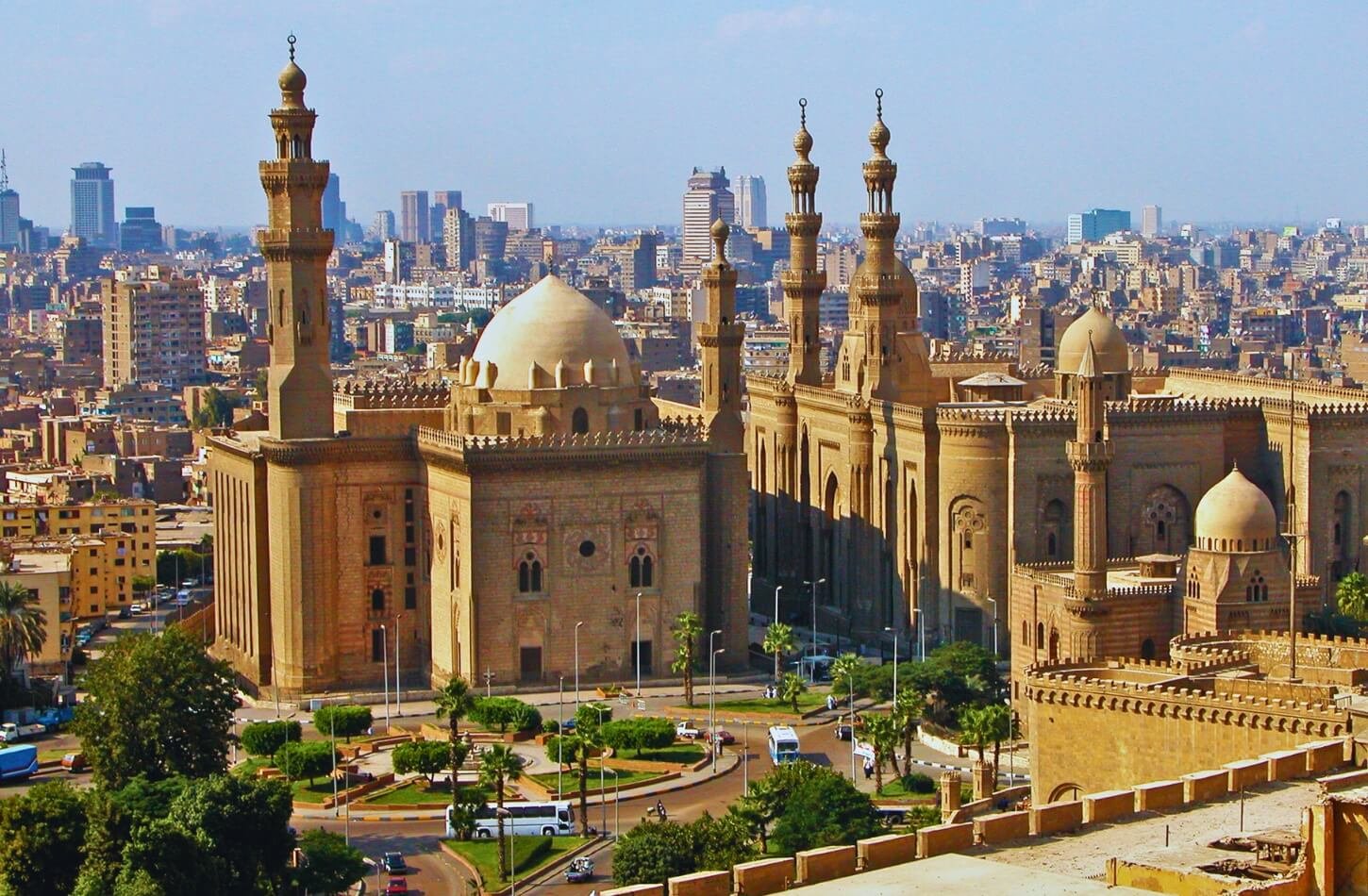
As you explore Islamic Cairo, you’ll see amazing buildings from Islamic history. This area has many historic mosques. They are important religious places and show Islamic architecture.
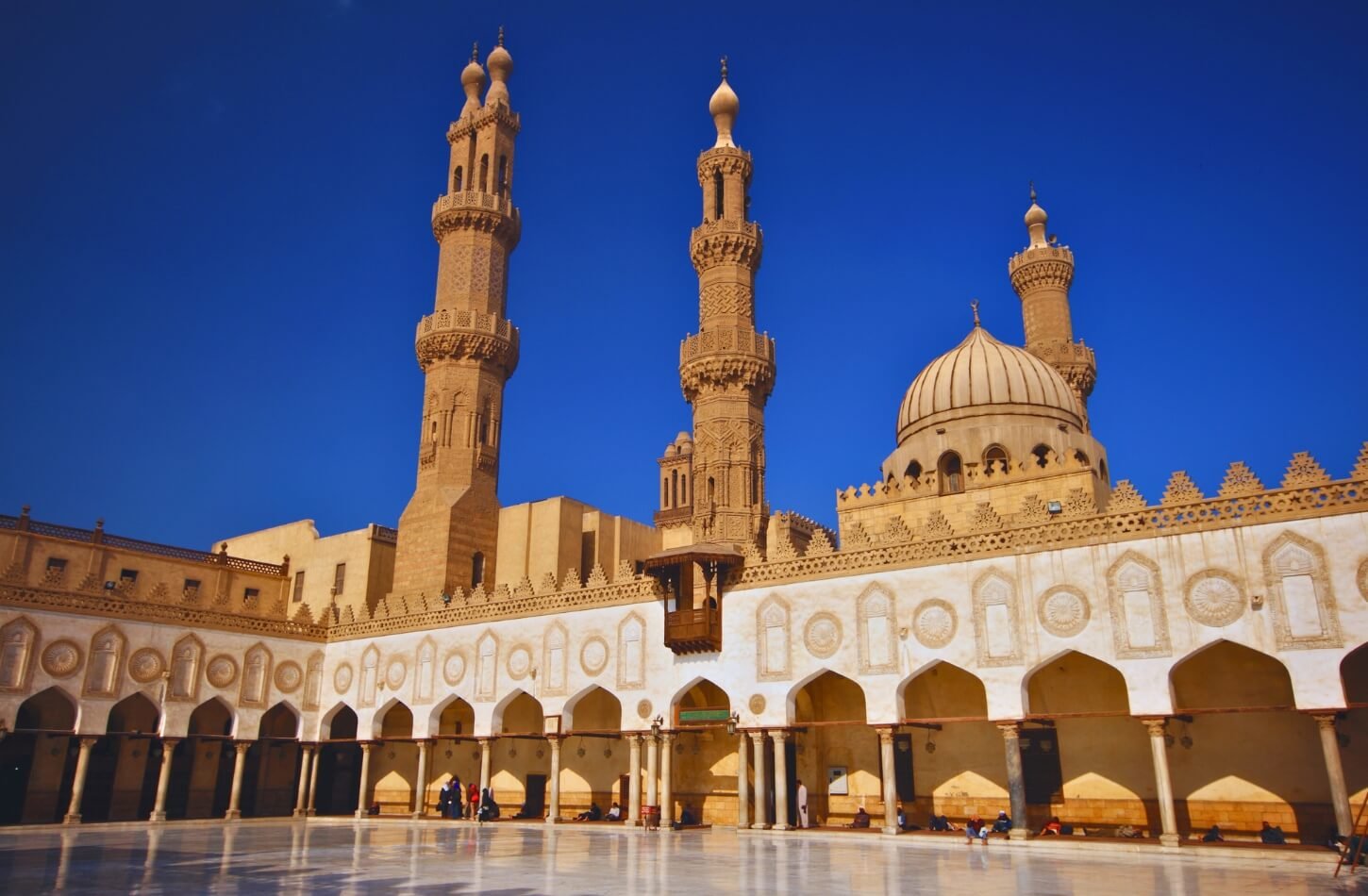
The Al-Azhar Mosque is a key landmark. It started in 970 AD. It’s one of the oldest mosques still used today. It shows the area’s long history.
Iconic Mosques of Islamic Cairo
The Sultan Hassan Mosque is another wonder. It was built in the 14th century. It’s a great example of Mamluk architecture, showing the skills of that time.
It has many other important buildings. Each one tells a story of the area’s culture and faith. Visitors can learn a lot about Islamic architecture here.
Seeing these historic mosques and buildings is a special experience. Whether you love architecture, history, or just exploring, Islamic Cairo’s wonders will impress you.
The Significance of Al-Muizz Street
Al-Muizz Street is a historic spot in Cairo, Egypt. It’s famous for its old buildings and cultural importance. The street has many mosques, madrasas, and historical sites.
Visitors can feel the lively vibe and see the cultural spots. Al-Muizz Street mixes old and new, making it a top place to visit. It’s great for those who love history, culture, and architecture.
Exploring the Markets and Bazaars of Cairo
It is famous for its lively markets and bazaars, making it a highlight of many Cairo tours. They show the area’s deep cultural heritage. Walking through the old streets, you’ll hear and see the buzz of a market.
The markets in Islamic Cairo are more than places to buy things. They are centers of life where people can feel Egyptian culture. You can find traditional clothes and special souvenirs.
When you shop here, get ready to bargain. It’s a big part of the fun. You’ll find spices, scents, and beautiful crafts. These items show Egypt’s rich cultural mix.
Religious and Cultural Heritage of Islamic Cairo
As you explore it, you’ll find a rich mix of history and culture. This area is filled with religious landmarks like the famous Al-Azhar Mosque.
The Al-Azhar Mosque is a key spot for both faith and learning. It started in 970 AD and has been a center for Islamic studies for many years. Scholars and students from all over come here.
Islamic Cairo’s history is seen in its mosques, madrasas, and monuments. These buildings show the different styles and art of Islamic history. They give us a peek into the area’s cultural past.
Seeing these places lets you feel the heart of Islamic Cairo. You can see the lively religious practices and traditions still alive here.
It is special because of its mix of faith and culture. It’s a place where history, architecture, and spirituality meet. Whether you love history, buildings, or spiritual journeys, Islamic Cairo has something for everyone.
Notable Personalities from Islamic Cairo
Islamic Cairo has a long history filled with influential people. They helped shape its architecture, culture, and religion. You can learn about their big roles in the area’s heritage.
Some of the most notable figures from Islamic Cairo include:
- Scholars of the Mamluk Era: During the Mamluk era, Islamic Cairo became a hub for renowned scholars. They made big contributions to fields like theology, astronomy, and medicine.
- Rulers and Sultans: The rulers of the Mamluk dynasty played a crucial role in shaping Islamic Cairo’s architectural landscape. They commissioned the construction of historic mosques and monuments.
- Sufis and Mystics: Islamic Cairo has been home to numerous Sufi saints and mystics. They have contributed to the region’s spiritual heritage.
These individuals have left a lasting legacy in Islamic Cairo. They influenced its cultural, religious, and architectural identity. As you explore the historic streets of Islamic Cairo, you can visit the mosques and monuments associated with these notable personalities. This will give you a deeper understanding of their contributions to the region’s rich history.
Culinary Delights of Islamic Cairo
The food in Islamic Cairo is a mix of local treats and old recipes. It’s shaped by the area’s history and culture. You’ll get to taste the real flavors of Egyptian food as you wander around.
Islamic Cairo is famous for its traditional Egyptian meals. These dishes often have lamb, chicken, and veggies, all seasoned with special spices. Try koshari, a pasta dish with tomato sauce and fried onions, or ta’ameyya, Egyptian falafel made from fava beans.
Many restaurants and cafes in Islamic Cairo are in old buildings. This makes the area even more special. The food here is a big part of the cultural heritage. Islamic Cairo is a key spot for Cairo tourism, offering a unique taste of history.
While exploring Islamic Cairo’s food scene, don’t miss the local markets and bazaars. Here, you can try street food and buy traditional ingredients. It’s a great way to learn about the local cuisine and its importance in the community.
The Role of Islamic Cairo in Education
For centuries, Islamic Cairo has been key in education. You can see its rich history by visiting its famous schools.
Al-Azhar Mosque and University are central to Islamic Cairo’s education. Founded in 970 AD, Al-Azhar University is one of the oldest universities still open. It’s a hub for Islamic studies, drawing students from everywhere.
Some key points about Islamic Cairo’s education role include:
- Centers of Islamic Learning: Places like Al-Azhar University are crucial for Islamic knowledge.
- Cultural Heritage: These schools are not just for religious studies. They also protect Islamic culture.
- Global Influence: Islamic Cairo’s schools have shaped Islamic thought worldwide.
Visiting the historic campuses and libraries, you’ll see ancient texts. This gives a peek into the area’s educational past. Islamic Cairo’s role in education shows its lasting impact as a place of learning.
Preserving Islamic Cairo’s Legacy
Keeping Islamic Cairo’s history alive is very important for the future. The city’s amazing buildings, like historic mosques, show its rich past. These mosques are key religious spots and cultural treasures.
Work is underway to fix and save these old sites. Restoration projects aim to make them look like they did before. Conservation efforts help keep them safe from damage. You can see the results in the detailed stone carvings and beautiful calligraphy on the walls.
Conservation initiatives are key to protecting Islamic Cairo’s culture. They bring together local groups, international teams, and the community. This teamwork helps keep the area’s history alive. By doing this, we protect its past and make its future brighter.
Walking through Islamic Cairo, you’ll see old and new together. The historic mosques and markets are preserved, yet modern life goes on around them. This mix shows the city’s ability to change while keeping its roots.
Preserving Islamic Cairo’s history is a job for everyone. Locals and visitors alike can help by supporting conservation efforts. By doing so, we add to the story of this historic city.
Exploring Modern Life in Islamic Cairo
Walking through Islamic Cairo’s streets, you see old and new life. It’s not just ancient sites. It’s a lively city part where people live their daily lives.
Modern Amenitiess it next to old sites, making it interesting. You’ll find new cafes and shops with old markets and bazaars.
What makes Islamic Cairo’s modern life special includes:
- Cultural Events: It has many cultural events and festivals, showing its rich heritage.
- Contemporary Architecture: New buildings mix with old, giving a unique look.
- Local Cuisine: You can try traditional Egyptian food and modern dishes.
Visiting Islamic Cairo is more than history. It’s where Cairo tourism meets local life. The area’s cultural heritage is kept alive through its modern side.
In Islamic Cairo, you see a strong community and a link to history. This mix of old and new makes it a key part of Cairo.
Frequently Asked Questions
What is Islamic Cairo?
Islamic Cairo is Cairo’s historic medieval district, recognised as a UNESCO World Heritage Site. Founded by the Fatimid dynasty in 969 AD, it is one of the oldest and best-preserved Islamic cities in the world. The area is home to more than 600 listed monuments including mosques, madrasas, mausoleums, caravanserais, and ancient city gates, spanning over a thousand years of Islamic civilisation in Egypt.
Where exactly is Islamic Cairo located?
Islamic Cairo lies in the eastern part of central Cairo, roughly between the Al-Hussein district and the Citadel of Saladin. The easiest landmark reference is Khan el-Khalili bazaar, which sits at the heart of the area. It is accessible by taxi, Uber, or Cairo Metro (Al-Shohadaa station is the closest, followed by a short taxi ride). Most hotels in central Cairo are 15 to 30 minutes away by car.
What are the must-see attractions in Islamic Cairo?
The essential stops are Al-Muizz Street, which is lined with centuries of Islamic architecture and is entirely free to walk; Al-Azhar Mosque, one of the oldest mosques in the world, founded in 970 AD; the Sultan Hassan Mosque, considered the finest example of Mamluk architecture in Egypt; the Ibn Tulun Mosque, the oldest mosque in Cairo still standing in its original form; the Bab Zuweila and Bab al-Futuh medieval gates; and Khan el-Khalili, the famous historic bazaar dating back to the 14th century.
How long do you need to explore Islamic Cairo?
To cover the main highlights — Al-Muizz Street, Al-Azhar Mosque, Sultan Hassan Mosque, and Khan el-Khalili — allow a minimum of 4 to 5 hours. If you want to explore the area deeply, including lesser-known mosques, the Citadel of Saladin, and the local food scene, a full day of 7 to 8 hours is more appropriate. The district is large and best explored on foot, so comfortable shoes are essential.
What is Al-Muizz Street and why is it famous?
Al-Muizz Street is the main historic spine of Islamic Cairo, running north to south through the heart of the medieval city. It is often described as the world’s largest open-air museum of Islamic architecture, with monuments from the Fatimid, Ayyubid, Mamluk, and Ottoman periods lining both sides of the street. The street has been pedestrianised and restored, making it one of the most atmospheric and photogenic walks in all of Egypt. Entry is free.
Is Islamic Cairo safe to visit?
Yes, Islamic Cairo is safe to visit and is one of Cairo’s most-visited areas by both domestic and international tourists. As with any densely populated historic district, standard common sense applies — keep an eye on your belongings in crowded areas like Khan el-Khalili, avoid flashing expensive items, and follow your guide’s advice if visiting with a tour. Many visitors explore the area independently without any issues.
What should I wear when visiting Islamic Cairo?
Modest dress is required throughout Islamic Cairo, particularly when entering mosques. Both men and women should cover their shoulders and knees. Women are advised to carry a scarf to cover their hair when entering mosques — in some cases it is required. Lightweight, loose-fitting clothing in natural fabrics is ideal given the heat. Avoid short skirts, sleeveless tops, or anything too tight.
What is the best time to visit Islamic Cairo?
The best time to visit Islamic Cairo is between October and April when Cairo’s temperatures are comfortable for walking. Within the day, early morning (before 10 AM) and late afternoon (after 4 PM) are the best times — the light is beautiful, the heat is manageable, and crowds are thinner. Friday mornings should be avoided as mosques are busy with prayers and some monuments may have restricted access.
What food should I try in Islamic Cairo?
Islamic Cairo is one of the best areas in Cairo to eat authentic Egyptian street food. Must-try dishes include koshari (a hearty mix of rice, pasta, lentils, and spiced tomato sauce), ta’ameyya (Egyptian falafel made from fava beans, crispier and greener than the chickpea version), fiteer meshaltet (a layered pastry served sweet or savoury), and kofta sandwiches from local grills. El-Hussein Square and the side streets off Al-Muizz are full of good, affordable local options.
Can I visit Islamic Cairo independently or do I need a guide?
You can visit Islamic Cairo independently — Al-Muizz Street, the outer courtyards of most mosques, and Khan el-Khalili are all freely accessible and easy to navigate on foot. However, a knowledgeable local guide adds significant value in this district because many of the monuments are unmarked, hidden behind unassuming doorways, or require context to fully appreciate. A guided half-day tour of Islamic Cairo typically lasts 4 hours and covers far more ground than most independent visitors manage on their own.
Visiting Islamic Cairo Today
Planning a trip to Islamic Cairo? You’ll find a wealth of history and culture. The area boasts many historic mosques, each with its own special design and importance. The Sultan Hassan Mosque is a highlight, showcasing Mamluk-era architecture.
Walking along Al-Muizz Street, you’ll see the area’s rich past. You’ll see historic mosques, madrasas, and other wonders. Don’t miss the local markets and bazaars for traditional crafts and souvenirs.
For a better experience, visit early morning or late afternoon to dodge the crowds. Remember to dress modestly and respect local customs at mosques and religious sites. Islamic Cairo’s history, culture, and architecture will give you memories to cherish.