Get ready to explore a key landmark in Cairo, Egypt – the Al Azhar Mosque. This mosque is a wonder of Islamic architecture. It’s also a hub for Islamic learning and culture for over a thousand years.
In the heart of Islamic Cairo, the mosque start of the Fatimid rule. It’s a top spot for history, architecture, and Islamic culture lovers.
Learning about this amazing place will show its cultural and historical value. It promises a memorable visit.
The Historical Journey of Al Azhar Mosque Through 1,000 Years
Al Azhar Mosque has a long history of over 1,000 years. It was founded in 970 CE by the Fatimid Caliphate. Over time, it has grown and changed under different rulers.
The mosque was once a key place for Islamic learning and culture. The Fatimid Caliphate’s influence on Al Azhar’s architecture and educational mission was profound. This set the stage for its future as a leading Islamic institution.
Through the years, it has been shaped by various dynasties. The Ayyubid and Mamluk Sultanates each added their own touch to its design. This shows how the mosque has managed to stay relevant while keeping its core mission strong.
Now, Al Azhar Mosque is a key place for Islamic education and culture in Egypt. Its history is not just in its looks but also in its role in Islamic scholarship. Visitors can see the history in its walls, from the Fatimid era to later additions.
As one of Egypt’s most historic mosques, Al Azhar is still important today. It shows the deep Islamic heritage that Egypt is known for.
8 Fascinating Facts About Al Azhar’s Founding and Evolution
Did you know Al Azhar Mosque started as a Shi’a center? It has grown into a key Sunni Islamic place. It’s a big part of Islamic education in Cairo.
Here are some interesting facts about Al Azhar Mosque’s history:
- Al Azhar Mosque was founded in 970 AD by the Fatimids, a Shi’a Islamic dynasty.
- At first, the mosque was for Shi’a teachings, showing the Fatimids’ beliefs.
- After Saladin’s conquest of Egypt in 1171, it started to lean towards Sunni Islam.
- By the 13th century, Al Azhar became a major Sunni Islamic learning spot.
- The mosque’s design has changed and grown over time, mixing different styles.
- Al Azhar University, linked to the mosque, is one of the oldest universities still open today.
- The mosque has faced many challenges, like natural disasters and political troubles.
- Now, Al Azhar Mosque is a key religious and educational spot in Cairo, drawing visitors from everywhere.
The change of Al Azhar Mosque from Shi’a to Sunni shows its ability to adapt. As you learn about this amazing mosque, you’ll see how it has influenced Islamic education. It’s a big part of Cairo’s culture today.
The Epitome of Islamic Architectural Excellence
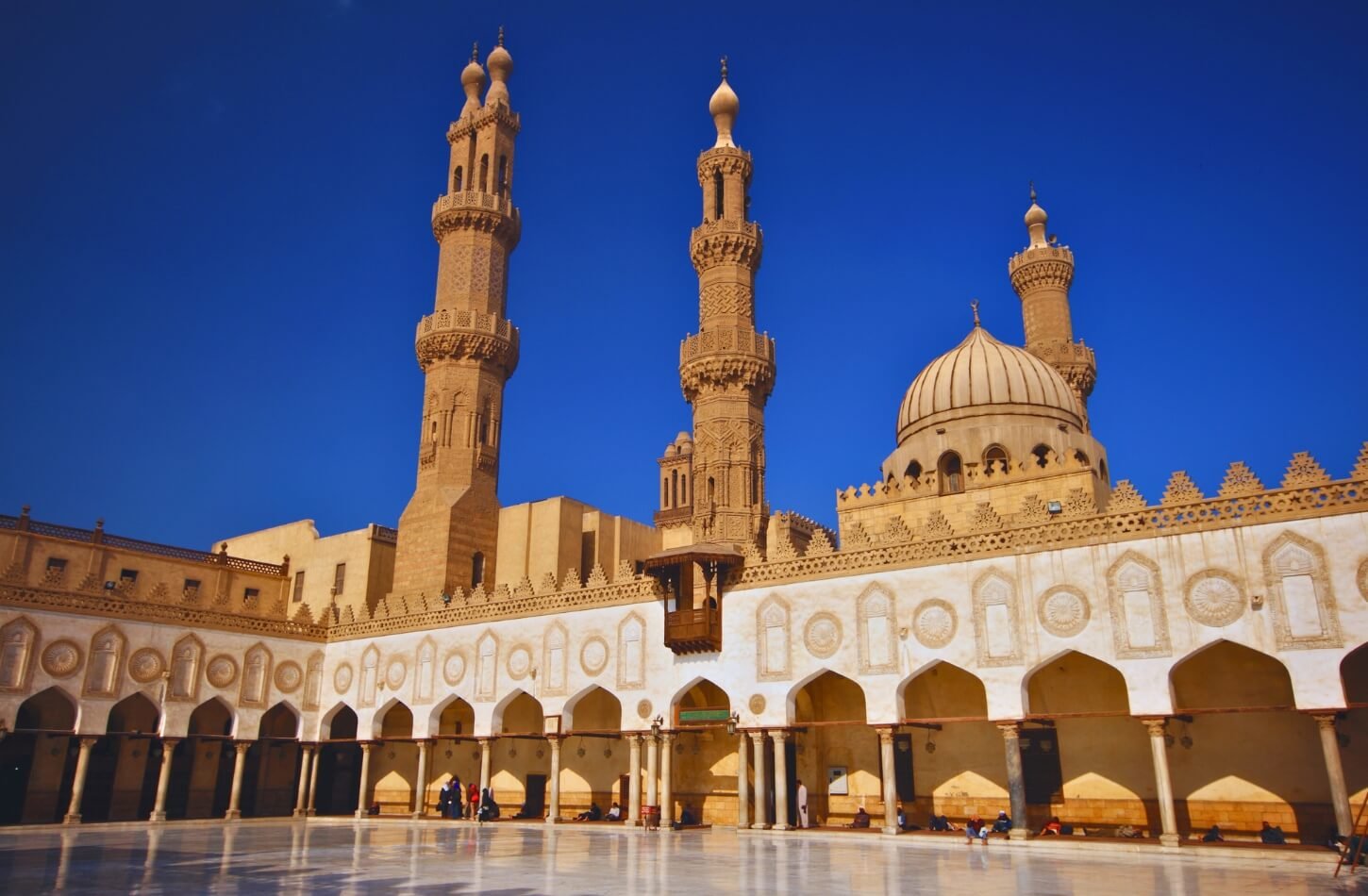
Al Azhar Mosque is a stunning mix of Fatimid, Mamluk, and Ottoman styles. It’s a top religious landmark in Egypt. People from all over come to see its beauty and learn about its history.
The mosque’s design shows the growth of Islamic architecture over time. You’ll see detailed patterns and beautiful calligraphy on the walls and ceilings. This shows the skill of the time.
Some key features include:
- The arches and domes give a feeling of grandeur and spirituality.
- The minarets mark the mosque and call people to prayer.
- The decorations, like calligraphy and patterns, cover the inside and outside.
Visiting Al Azhar Mosque lets you see its importance in Egypt. It shows the country’s rich culture and faith. Its beauty inspires people from all over, but it’s most special in Egypt.
The mosque’s mix of styles makes it unique. It’s a great example of Islamic architecture. It also inspires new designs, linking old and new.
7 Breathtaking Architectural Features You Can’t Miss at Al Azhar
The Al Azhar Mosque is famous for its stunning architecture. It shows the rich history of Islamic culture. As you explore this iconic mosque in Cairo, you’ll see many amazing elements.
Here are seven architectural features you can’t miss:
- Five Minarets: The mosque’s five minarets are a notable feature, symbolizing the call to prayer and the mosque’s importance in the Islamic world.
- Domes: The beautifully crafted domes add to the mosque’s grandeur, representing the celestial and spiritual aspects of Islamic architecture.
- The Mosque’s Courtyard: The spacious courtyard provides a serene atmosphere, perfect for contemplation and community gatherings.
- Intricate Decorations: The intricate decorations, including calligraphy and geometric patterns, showcase the artistry and craftsmanship of Islamic decorative arts.
- Historic Significance: Each architectural element tells a story of the mosque’s history and its evolution over the centuries.
- Blend of Architectural Styles: Al Azhar Mosque blends various architectural styles, reflecting the different periods and influences it has undergone.
- Spiritual Ambiance: The overall design creates a spiritual ambiance, making it a sacred place for worship and reflection.
The Mosque’s Prayer Hall
The prayer hall is a key feature of Al Azhar Mosque. It’s designed for large gatherings. Its large space, with beautiful architecture, brings people together in a spiritual way.
When you visit Al Azhar Mosque, take time to admire these architectural wonders. They make the mosque a unique and fascinating part of Islamic heritage.
5 Ways Al Azhar Mosque Has Shaped Islamic Education Worldwide
Al Azhar Mosque is one of the oldest Islamic institutions. It has been a key place for learning for centuries. Scholars and students from all over the world come here.
- Establishing a Comprehensive Curriculum: Al Azhar Mosque helped create a detailed curriculum. It covers Islamic studies, like jurisprudence and theology, and the Arabic language.
- Fostering Islamic Scholarship: The mosque is known for its Islamic scholarship. Many famous scholars studied or taught here. This has helped grow Islamic thought and practice.
- Providing Access to Islamic Education: Al Azhar Mosque makes Islamic education available to everyone. It welcomes students from all backgrounds, promoting diversity in the Islamic community.
- Influencing Islamic Institutions Globally: As a respected institution, Al Azhar Mosque has inspired other Islamic schools worldwide. It has helped shape their development.
- Preserving Islamic Heritage: The mosque is important for keeping Islamic traditions alive. It promotes and maintains traditional Islamic knowledge and practices.
Al Azhar Mosque continues to influence Islamic education globally. It remains a leading mosque in Egypt and a key part of Islamic learning.
The Religious and Cultural Significance of Al Azhar in Modern Egypt
The Al Azhar Mosque is more than just a historical site. It’s a lively place that still matters a lot in Egypt today. As a key religious landmark in Cairo, it draws people and scholars from everywhere. It shows the deep Islamic heritage of the area.
Here are a few ways Al Azhar Mosque keeps its importance:
Cultural Icon: The mosque is a symbol of Islamic culture and tradition. It influences art, literature, and education in Egypt and other places.
Center of Learning: Al Azhar is famous for Islamic education. It welcomes students from all over to learn from top scholars.
Community Hub: The mosque is more than just a place of worship. It’s a community center, hosting cultural and social events that unite people.
Architectural Marvel: Its beautiful architecture makes it a top spot to visit in Cairo. It shows the city’s rich history and culture.
Exploring Al Azhar Mosque shows its wide impact on modern Egypt. Its history, architecture, and role in Islamic education are all important. Al Azhar Mosque stands as a symbol of faith and culture’s lasting power.
Your Complete Visitor’s Guide to Al Azhar Mosque
Planning a visit to Al Azhar Mosque? Here’s your complete guide to making the most of your trip. Located in the heart of Cairo, Al Azhar Mosque is one of the city’s most iconic tourist attractions. It’s known for its stunning Islamic architecture.
Before you visit, it’s essential to understand the mosque’s etiquette and dress code. Visitors are expected to dress modestly, covering their shoulders and knees as a sign of respect. You should also remove your shoes before entering the prayer hall.
Here are some practical tips for your visit:
Best Time to Visit: The mosque is open throughout the day. It’s best to avoid visiting during peak prayer times to fully appreciate its beauty.
Navigating the Mosque Complex: Take your time to explore the complex. It includes beautiful gardens and historic buildings. Be sure to look out for the intricate architectural details that make Al Azhar Mosque a masterpiece of Islamic architecture.
Photography: While you can take photos in most areas, be respectful of worshippers. Avoid using flash or tripods inside the prayer hall.
Visiting Al Azhar Mosque is not just about seeing a historic landmark. It’s an opportunity to experience the rich cultural and religious heritage of Cairo. By being mindful of the local customs and traditions, you can ensure a respectful and enriching visit.
6 Must-See Attractions in the Al Azhar District
The Al Azhar district in Cairo is rich in history and culture. It has many historic mosques and tourist spots. As you explore, you’ll find landmarks that show the area’s heritage.
The Al Azhar district is famous for the Khan El Khalili Bazaar. It’s one of the oldest and most famous bazaars in the Middle East. This busy market is a great place to see local culture and commerce.
The Mosque of Al-Hussein is another key site. It’s a historic mosque that’s very important to both religion and culture. Visitors can see its beautiful architecture and learn about its history.
Here are some top attractions in the Al Azhar district:
- Khan El Khalili Bazaar
- Mosque of Al-Hussein
- Al Azhar Mosque
- Islamic Cairo
- Al-Azhar Park
- Darb Al-Ahmar neighborhood
Exploring these spots will help you understand the Al Azhar district’s role in Cairo’s history and culture. Take your time to enjoy the area’s historic mosques, lively markets, and cultural landmarks.
Photography Tips: How to Capture the Perfect Shot of Al Azhar Mosque
Al Azhar Mosque is a dream spot for photographers. It’s filled with detailed designs and peaceful courtyards. Here are some tips to get the best shot.
First, timing is everything. The best light is in the early morning or late afternoon. It makes the mosque’s Islamic architecture look amazing. Also, try to avoid busy times and prayer hours.
Look for leading lines in your shots. These lines can lead the viewer’s eye through the mosque’s beauty. The courtyards and gardens are perfect for capturing calm scenes.
Try different angles and perspectives. Shooting from below can make the mosque’s towers look even bigger. From above, you can see the beautiful patterns on the floors and walls.
Remember to be respectful of the mosque and its visitors. Don’t use flash or tripods if they’re not allowed. Being considerate helps everyone have a great experience.
Conclusion
Visiting Al Azhar Mosque in Cairo is a must for history buffs and architecture lovers. It’s one of the city’s top sights. This mosque gives a peek into Egypt’s deep heritage.
Here are a few reasons why you should include Al Azhar Mosque on your Cairo itinerary:
- Explore the mosque’s stunning Islamic architecture and intricate designs.
- Discover the historical significance of Al Azhar Mosque and its role in shaping Islamic education.
- Experience the vibrant culture of Cairo by visiting this iconic landmark.
By visiting Al Azhar Mosque, you’ll learn more about Islamic culture and Cairo’s history. Walking through its grounds, you’ll see its beauty and importance. Don’t miss Al Azhar Mosque on your Cairo trip for a memorable experience.
FAQ — Frequently Asked Questions
What is the best time to visit Aswan, Egypt?
The best time to visit Aswan is October to February, when temperatures range from 20–30°C (68–86°F) — cool enough to explore temples and take felucca rides comfortably. Avoid June to August when it regularly exceeds 40°C (104°F). Abu Simbel’s famous solar alignment events happen on February 22 and October 22, making those dates especially popular.
How many days do you need in Aswan?
2 to 3 days is enough to cover Aswan’s main highlights — Philae Temple, the Aswan High Dam, a felucca ride, the Nubian Museum, and Elephantine Island. Add a day if you plan a trip to Abu Simbel (4–5 hour round-trip by road or a short flight). Most travelers combine Aswan with a 4–7 day Nile cruise from Luxor.
How do you get from Aswan to Abu Simbel?
There are three ways to reach Abu Simbel from Aswan: (1) Organized convoy tour by road — a 3-hour drive each way, departing around 4 AM; most budget-friendly option. (2) Short flight — EgyptAir operates ~40-minute flights from Aswan Airport, ideal if you’re pressed for time. (3) Nile cruise to Lake Nasser — a slower, scenic option. Most visitors take a guided day tour from Aswan departing very early to beat the heat.
Is Aswan safe for tourists?
Yes, Aswan is considered one of Egypt’s safest and most relaxed cities for tourists. It sees far less hustle than Cairo and has a laid-back Nubian atmosphere. Standard travel precautions apply — use licensed guides, avoid isolated areas at night, and book tours through a reputable agency. The city is heavily visited by international travelers and well set up for tourism.
What is Philae Temple and why is it famous?
Philae Temple is an ancient complex dedicated to the goddess Isis on Agilkia Island near Aswan. It’s famous for its Ptolemaic-era architecture and its 1970s relocation — the entire temple was moved to save it from rising Lake Nasser waters after the Aswan High Dam was built.
What can you do in Aswan in one day?
In one day: visit Philae Temple and the Aswan High Dam in the morning, Nubian Museum and Elephantine Island in the afternoon, then a felucca ride at sunset. A local guide makes this itinerary much smoother.
What is special about Nubian culture in Aswan?
Nubian culture is one of the world’s oldest continuous civilizations. It features a distinct language (Nobiin and Kenzi), vibrant music, colorfully painted houses, traditional food, and exceptional hospitality. Aswan is its cultural heartland in Egypt.
Is a Nile cruise worth it from Aswan to Luxor?
Yes — the Aswan to Luxor Nile cruise is one of the world’s great journeys. The 3–4 night cruise stops at Kom Ombo and Edfu temples. Luxury ships offer gourmet dining, sun decks, and expert guided shore excursions.