By the Misk Tours Team | Egypt-based travel specialists | Last verified: May 2026
Why Khan el-Khalili Is Cairo’s Soul
If Cairo has a heartbeat, it pulses loudest inside Khan el-Khalili Bazaar. Tucked into the labyrinthine alleys of Islamic Cairo, this sprawling, centuries-old marketplace is not simply a shopping destination — it is a living, breathing archive of Egyptian civilization. Every cobblestone underfoot has been worn smooth by centuries of merchants, pilgrims, poets, and pharaoh-hunters before you.
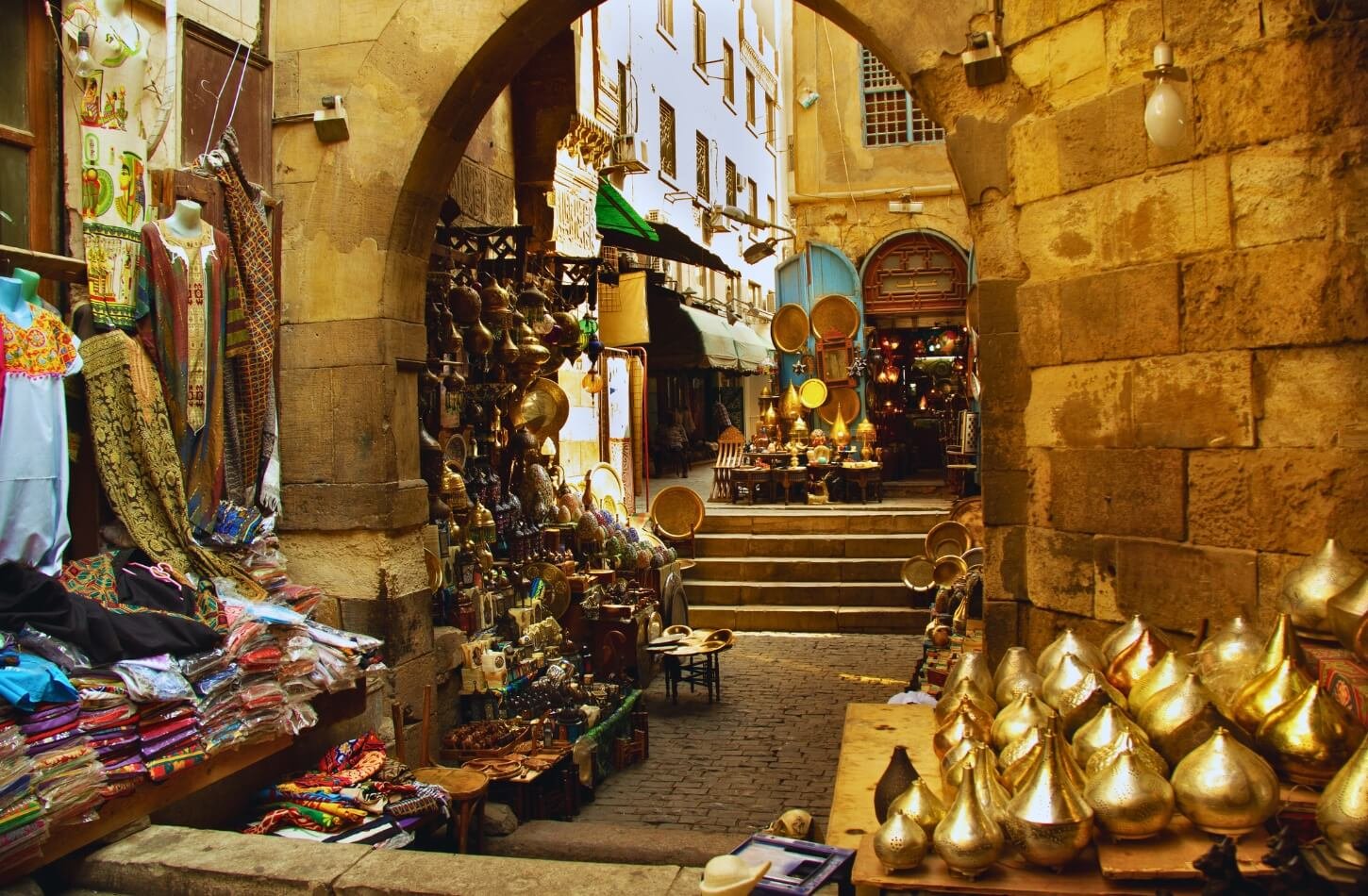
No trip to Cairo is truly complete without losing yourself in the sensory labyrinth of Khan el-Khalili: the scent of cumin and cardamom drifting from open sacks, the shimmer of hand-blown glass lanterns, the confident calls of copper and silversmithing artisans, and the sweet haze of shisha smoke curling above café tables where locals have gathered for generations.
When you enter Khan el-Khalili Bazaar, you feel like you’ve traveled back in time. It’s a place where ancient trade and cultural exchange have thrived since the Mamluk era. It was founded in 1382 by Emir Djaharks El Khalili.
This historic marketplace has been a key part of Egyptian commerce for over six centuries. It’s not just a market; it’s a treasure trove of Egypt’s history, culture, and commerce. The labyrinthine alleys and medieval architecture make it a fascinating place to explore.
Whether you have two hours or two days to spare, this guide — crafted by the team at Misk Tours — gives you everything you need to explore Khan el-Khalili like a seasoned Cairo traveler: what to see, what to buy, how to haggle, what to eat, and how to stay safe in the crowd.
Getting There: Location and Access
Khan el-Khalili is in the heart of Islamic Cairo. It’s easy to get to in different ways. This makes your shopping trip in Cairo simple.
By Metro: The closest metro is Attaba. It’s a 10-minute walk from the market. This is a cheap and easy way to get there.
By Taxi or Uber: Taxis or Uber are also good choices. Just say you want to go to Khan El Khalili. You’ll be there in no time. This is great for groups or those with lots of bags.
Khan el-Khalili is easy to find, no matter where you are in Cairo. It’s a key spot to visit, and many travelers include it in their Egypt Classic Tour Packages. Be sure to add it to your Cairo plans for an unforgettable experience.
When to Visit Khan el-Khalili
Khan el-Khalili is a top spot to visit. The right time can make your trip better. It’s a famous place in Egypt, so plan well to enjoy it fully.
The bazaar is open every day from 9 AM to late evening. To beat the heat and crowds, go early in the morning or late in the afternoon. This way, you can see the market slowly and enjoy its history and culture.
The best time is from October to April when it’s cooler. The weather is perfect for walking and seeing the beautiful buildings. Visiting during Ramadan is also special, with evening shopping and fun.
Follow these tips to have a great time at Khan el-Khalili Bazaar. It’s a memorable trip to this famous Egyptian spot.
Al-Tannoura performances at Wekalet El Ghouri typically take place on Tuesday, Wednesday, and Saturday evenings. Arrive at least 30 minutes early, as the venue fills quickly. No booking required — just show up and take a seat.
What to Buy — The Ultimate Shopping Guide
Khan el-Khalili is famous as one of the world’s great shopping destinations, and rightly so. From mass-produced tourist trinkets to genuinely museum-worthy artisan pieces, the range is extraordinary. Here is your guide to the best things to buy in Khan el-Khalili, and how to spot quality from kitsch.
🪔 Handblown Glass Lanterns
- The iconic stained-glass lanterns of Cairo — in vivid jewel tones — are made using techniques unchanged since the Mamluk era. Buy from workshops where you can see them being made.
🌿 Spices & Herbs
- Dried hibiscus (karkadé), saffron, cumin, coriander, za’atar, and exotic Egyptian herbal blends. Fragrant, affordable, and impossible to find this fresh at home.
📜 Papyrus Art
- Genuine papyrus scrolls painted with hieroglyphs, pharaonic scenes, and Nile landscapes by local artists. Always ask for genuine papyrus — test it by folding gently; real papyrus won’t crack.
💍 Gold & Silver Jewellery
- From delicate cartouche pendants inscribed with your name in hieroglyphics to bold Mamluk-style silver bangles. Gold is sold by weight — haggling on labour cost is expected.
🪆 Handcrafted Copper & Brassware
- Engraved trays, Turkish coffee sets, incense burners, and decorative plates made by coppersmiths in workshops hidden behind the main stalls. Ask to be shown the workshop.
🧵 Textiles & Galabeyas
- Traditional Egyptian cotton robes (galabeya), hand-embroidered scarves, shawls, and the extraordinary khayamiya appliqué cushion covers — geometric Islamic patterns stitched by hand.
🐞 Scarabs & Replica Antiquities
- Hand-painted alabaster scarab amulets, miniature statues of Anubis, Horus, and Bastet, and replica ushabti figures. Excellent, story-rich souvenirs with deep pharaonic symbolism.
🪵 Inlaid Wooden Boxes
- Intricate hand-carved boxes inlaid with mother-of-pearl, bone, and coloured resin — made using techniques passed through generations of craftsman families in Islamic Cairo.
How to Haggle Like a Pro in Khan el-Khalili
Bargaining — known locally as musa’wama — is not just expected in the Cairo bazaar, it is practically a social ritual. Refusing to haggle can actually cause offence. Here is how to do it respectfully and successfully.
Haggling Master Class
1. Never accept the first price. The opening price in Khan el-Khalili is typically 2–4× the expected final price. Counteroffers of 40–50% of the asking price are standard starting points.
2. Show interest but maintain ambivalence. The moment you appear desperate to own something, your leverage disappears. Browse casually, compare, and be prepared to walk away.
3. Walking away is your best tactic. If you name a price and start to leave, you will almost always be called back. This is the moment the real negotiation begins.
4. Smile throughout. Haggling here is a friendly game, not a confrontation. A smile and a joke go further than firmness alone.
5. Carry cash in small denominations. Vendors rarely have change for large notes — and having the exact amount to hand closes a deal faster than anything.
Where to Eat & Drink in Khan el-Khalili
Shopping in a 640-year-old bazaar works up an appetite. Fortunately, Khan el-Khalili and the surrounding streets of Islamic Cairo are among the best areas in Egypt to eat cheaply, authentically, and memorably.
☕ El Fishawy Café
- Cairo’s oldest café, open 24/7 since 1773. Order sweet mint tea or thick Egyptian coffee and absorb 250 years of atmosphere in a single cup.
🍚 Koshari
- Egypt’s beloved national dish — layers of rice, lentils, macaroni, chickpeas, fried onions, and spiced tomato sauce. Filling, vegan, and deeply satisfying.
🧆 Ta’meya (Egyptian Falafel)
- Made from fava beans rather than chickpeas, served stuffed into fresh flatbread with tahini and vegetables. A Cairo street-food staple.
🥣 Ful Medames
- Slow-cooked fava beans with olive oil, lemon, and garlic — Cairo’s classic breakfast, eaten at any hour around the bazaar.
🥐 Feteer Meshaltet
- Flaky, multi-layered Egyptian pastry served either sweet (with honey and cream) or savoury. Often called “Egyptian pizza” — endlessly customisable.
🌹 Karkadé
- Deep crimson tea brewed from dried hibiscus flowers, served iced or hot. Tart, refreshing, and uniquely Egyptian — the perfect antidote to Cairo’s heat.
📍 Dining Tip
For the best value, eat where the locals eat — look for restaurants or street stalls one or two alleys back from the main tourist thoroughfare. You’ll pay a quarter of the price for the same food and a much more authentic experience.
Insider Tips for Every Visitor
After years of guiding travellers through Khan el-Khalili Bazaar, the Misk Tours team has assembled the insider knowledge that separates a great visit from a frustrating one.
Timing Is Everything
Best time to visit: Early morning (9–11am) for cooler temperatures and quieter alleys ideal for photography. Alternatively, arrive after 7pm, when the heat subsides, lanterns illuminate the bazaar in warm gold, and the atmosphere reaches its magical peak. Avoid Friday afternoons, which coincide with post-prayer crowds and reduced shop openings.
Dress Appropriately
Khan el-Khalili sits in a deeply religious neighbourhood adjacent to Al-Azhar Mosque. Dress modestly — shoulders and knees covered for all genders. This shows respect, and you will be treated far more courteously by shopkeepers and locals as a result. Women may wish to carry a light scarf, which can be repurposed for a visit to the mosque.
Explore the Side Streets
The main tourist corridor through Khan el-Khalili shows you perhaps 10% of the bazaar. The true treasures — master craftsmen, authentic spice merchants, architectural gems, and neighbourhood tea houses — are hidden in the quieter side alleys. Follow your instincts, take the turn you weren’t planning to take, and allow yourself to get wonderfully lost.
Carry Cash, Dress Your Budget Down
Most stalls in Khan el-Khalili are cash only, and prices are adjusted based on perceived wealth. Wear comfortable, modest, unremarkable clothing — designer labels and obvious camera equipment signal higher prices. Keep your main cash in a money belt and carry only spending money in your pocket.
Accept Tea — It’s Not a Trap
Many shopkeepers in the bazaar will offer you tea as you browse. Accept it. There is absolutely no obligation to buy. Tea is hospitality in Egyptian culture, and refusing it can feel rude. Sitting, sipping, and chatting often leads to the most authentic interactions you’ll have in Cairo.
Come With a Guide for History & Language
A knowledgeable local guide unlocks Khan el-Khalili in ways independent travel simply cannot. They will navigate you to the finest craftsmen, translate nuanced bargaining in colloquial Egyptian Arabic, share stories you’ll find nowhere in any guidebook, and ensure you leave with genuine artisan pieces rather than tourist-grade imitations. Misk Tours offers guided Islamic Cairo walks that include the bazaar.
📍Safety Note
Khan el-Khalili is considered safe by Cairo standards, but the usual precautions in any busy market apply: carry a money belt for valuables, be aware of pickpockets in especially dense crowds, and decline to follow strangers who approach you unprompted claiming to offer “special deals” or “free guides.” The bazaar itself is well-patrolled and tourist-friendly.
Traditional Crafts and Souvenirs
Top vendors at Khan el-Khalili sell traditional Egyptian crafts. You can find handmade pottery, woven baskets, and intricately carved woodwork. These items are perfect souvenirs and show Egypt’s rich craft heritage.
When you visit the famous shops, take your time. The vendors are friendly and love to share stories about their goods. This makes your visit even more special.
Tips for Bargaining at Khan el-Khalili
Bargaining is an art at Khan el-Khalili. It makes shopping better. When you visit, haggling is part of the deal. To get great deals, know the basics. Start with half the asking price and go up. This lets you negotiate and find a fair price.
Be Respectful and Friendly
Being nice and respectful helps a lot. Vendors like friendly customers. A good attitude can get you better prices.
Know the Market Value
Know the item’s value before bargaining. This helps you make smart offers. You won’t pay too much. Don’t be scared to walk away if the price is bad. This might make the vendor offer a better deal. Stay calm and patient. Bargaining is a conversation.
Follow these tips to master bargaining at Khan el-Khalili. You’ll have a better shopping experience in this famous Cairo bazaar.
Nearby Attractions in Islamic Cairo
Khan el-Khalili sits at the centre of Islamic Cairo — a UNESCO-recognised historic district containing one of the highest concentrations of medieval Islamic monuments on Earth. Your visit to the bazaar is the perfect anchor for a full day exploring this extraordinary neighbourhood.
🕌 Al-Azhar Mosque
- Founded in 970 CE — one of the oldest universities in the world and the spiritual heart of Sunni Islam. Free entry for non-Muslim visitors outside prayer times.
🏛️ Al-Hussein Mosque
- One of Cairo’s most revered shrines, believed to contain a relic of the Prophet’s grandson. The square in front becomes a vibrant social scene in the evenings.
🏰 Qalawun Complex
- A stunning Mamluk masterpiece on Al-Muizz Street — hospital, mausoleum, and madrasa built in 1285, with extraordinary stone carvings inspired by Gothic and Byzantine design.
🎭 Wekalet El Ghouri
- Free Sufi dance performances (Al-Tannoura) in a beautifully restored 16th-century caravanserai. One of Cairo’s most magical cultural evenings.
🚪 Bab Zuweila Gate
- The iconic southern gateway to medieval Cairo, dating to 1092 CE. Climb the minarets for spectacular panoramic views over Islamic Cairo’s rooftops.
🏯 Salah El-Din Citadel
- Cairo’s great medieval fortress, with the Muhammad Ali Mosque dominating the skyline. A 20-minute taxi ride from the bazaar but worth combining in a full-day Islamic Cairo itinerary.
📍 Itinerary Tip
Perfect Islamic Cairo Day: Start at Al-Azhar Mosque at opening (9am) → walk Al-Muizz Street south → visit Qalawun Complex → enter Khan el-Khalili for shopping and lunch → rest at El Fishawy Café in the late afternoon → climb Bab Zuweila at sunset → return to the bazaar for the magical evening atmosphere → dinner nearby.
Important Customs and Etiquette
To fully enjoy Khan el-Khalili, it’s key to respect local customs and etiquette. This historic site is a big tourist attraction in Egypt. It’s not just a market but also a cultural gem.
When you visit the Old Cairo marketplace, dress modestly. Wear light, breathable clothes that cover your shoulders and knees. This shows respect and keeps you cool in the busy bazaar.
Respecting Religious Sites
If you go to mosques or religious spots near Khan el-Khalili, take off your shoes. It’s a sign of respect. Also, be quiet and avoid loud talks or disruptions.
Knowing and following these customs makes your visit to Khan el-Khalili Bazaar better. Being respectful lets you enjoy a true and meaningful experience at this famous place.
Activities Beyond Shopping
Wandering through Khan el-Khalili Bazaar reveals more than just shopping. You can dive into Egypt’s rich history and culture. Explore the bazaar’s historic architecture, visit nearby mosques, and try the local cuisine.
Don’t miss out on traditional Egyptian crafts like jewelry or textiles. They make great souvenirs. Take time to enjoy the lively atmosphere and street performances in the bazaar. Khan el-Khalili Bazaar has something for everyone. Whether you love history, culture, or just the vibe, it’s worth exploring. You’ll find the experience as valuable as any treasure you buy.
🛍️ Want to Shop Khan el-Khalili Without the Stress?
Let our Cairo specialists handle the logistics — private guided tour, expert haggling tips, and transport included
FAQ — Frequently Asked Questions
Is Khan el-Khalili worth visiting?
Absolutely. Khan el-Khalili is one of the most historically significant and experientially rich marketplaces in the world. Operating continuously since 1382 CE, it combines 640 years of unbroken commercial history with a genuinely vibrant present-day atmosphere that no purpose-built tourist attraction can replicate.
What are the opening hours of Khan el-Khalili?
Most shops open Saturday–Thursday from 9am to 10pm. Friday mornings see reduced activity due to prayer hours, with shops reopening in the afternoon. El Fishawy Café operates 24 hours, 7 days a week, without ever having closed since 1773.
Can you haggle at Khan el-Khalili Bazaar?
Yes — and you should. Bargaining is culturally expected and integral to the bazaar experience. Counter the opening price with 40–50% of what is asked, smile throughout, and be genuinely prepared to walk away. This almost always results in the seller calling you back with a much better offer.
Is Khan el-Khalili safe for tourists?
Yes. The bazaar is well-patrolled and visited by millions of international tourists annually. Standard precautions apply: use a money belt for valuables, stay alert in dense crowds (pickpockets can operate in any busy market), and decline unsolicited offers from strangers claiming to be “free guides.”
How long should I spend at Khan el-Khalili?
Allow a minimum of 2–3 hours for a first visit covering the highlights. A full half-day (4–5 hours) is ideal if you want to explore the side streets, sit in El Fishawy, eat street food, and browse the artisan workshops without rushing.
What is the best thing to buy at Khan el-Khalili?
Handblown glass lanterns, genuine papyrus art, khayamiya (appliqué textile panels), gold cartouche jewellery with your name in hieroglyphics, and Egyptian spices all represent the best value for authentic, hand-crafted souvenirs with real cultural provenance.
Does Khan el-Khalili have a dress code?
There is no formal dress code for the bazaar itself, but as it sits in an intensely religious neighbourhood adjacent to major mosques, modest dress — covered shoulders and knees for all genders — is respectful and strongly recommended. You will be treated noticeably better by locals if you dress modestly.
📅 Adding Cairo to Your Egypt Trip?
Khan el-Khalili pairs perfectly with the Pyramids, Luxor & the Nile. Our Egypt specialists will build your full itinerary — free consultation, no obligation.