By the Misk Tours Team | Egypt-based travel specialists | Last verified: June 2026
Aswan sits at the edge of ancient Nubia — quieter than Luxor, more intimate than Cairo, and packed with Egypt’s most atmospheric sights. Whether you’re here for Abu Simbel, a felucca ride at sunset, or a Nile cruise south to Luxor, this Aswan travel guide covers everything you need to plan your visit: the top temples, hidden islands, Nubian cultural experiences, and practical tips for booking Aswan tours that match your schedule and budget
How to Get to Aswan Getting Around
Getting to Aswan from Cairo:
The fastest option is a direct flight from Cairo International Airport to Aswan Airport — EgyptAir operates daily flights, with a journey time of around 1 hour 20 minutes. For travelers who prefer the experience of the journey, the overnight sleeper train from Cairo Ramses station takes approximately 13–15 hours and arrives in central Aswan — a comfortable and scenic option that saves on a night’s accommodation.
Getting to Aswan from Luxor:
Aswan is 215 km south of Luxor. Options include: a private car (2.5–3 hours), a local train (1.5–2 hours), or as the final destination on a 4-night Nile cruise from Luxor — the most popular way for international travelers to connect the two cities. Our Egypt Nile Cruises depart from Luxor and stop at Kom Ombo and Edfu before arriving in Aswan.
Getting around Aswan:
Aswan is a compact, walkable city. The corniche runs along the Nile and connects most of the city’s facilities. Taxis and tuk-tuks operate everywhere and are inexpensive. To reach Philae Temple and the Aswan High Dam, hire a car or join a day tour — they’re located 5–10 km south of the city center. For the Nubian Village, Elephantine Island, and Kitchener’s Island, short motorboats depart from the corniche throughout the day.
Abu Simbel from Aswan: Day Trip Guide Practical Tips
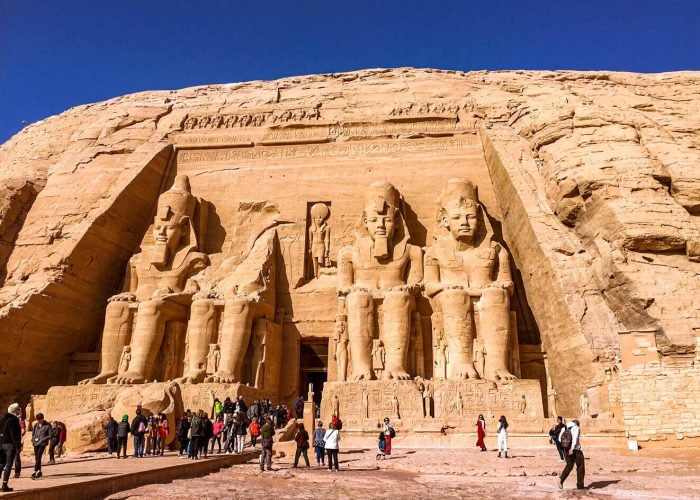
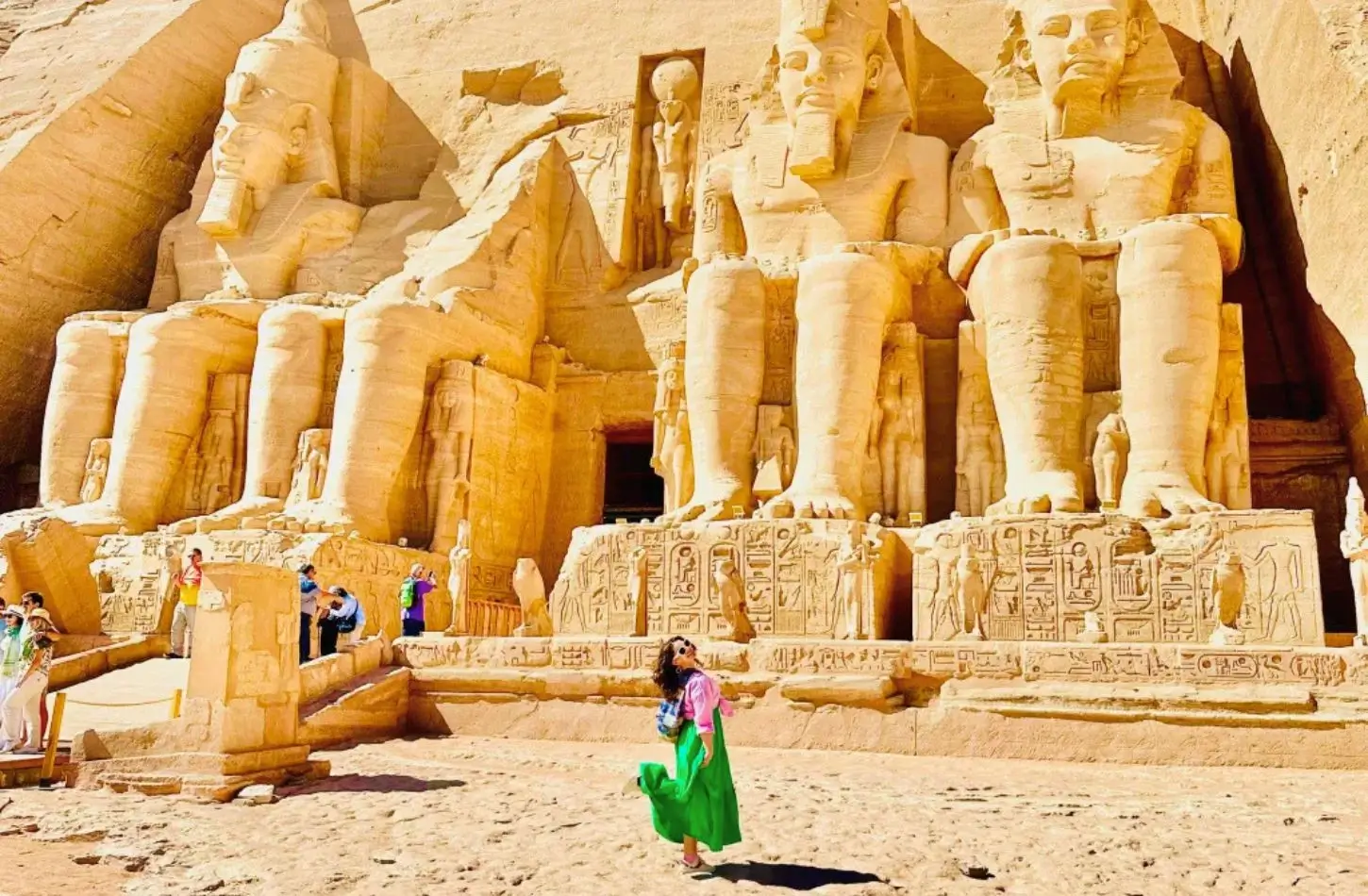
Abu Simbel is the most dramatic single-day trip in all of Egypt — a pair of colossal rock-cut temples built by Ramses II in the 13th century BCE, located 280 km south of Aswan near the Sudanese border. The two temples — the Great Temple of Ramses II and the smaller Temple of Nefertari — were carved directly into a sandstone cliff, then relocated in their entirety in the 1960s to save them from the rising waters of Lake Nasser. It ranks among the greatest engineering feats of the 20th century.
Getting there:
The most common way is by road convoy — private minibusses depart from Aswan around 4:00–4:30 AM and arrive in roughly 3–3.5 hours. Flights from Aswan Airport take around 40 minutes; EgyptAir operates seasonal routes. Most visitors spend 1.5–2 hours at the site before returning.
The solar alignment events:
On February 22 and October 22 each year, the rising sun penetrates deep into the inner sanctuary and illuminates the statues of Ramses II, Amun-Ra, and Ra-Horakhty — a deliberate astronomical alignment by the ancient builders. These dates draw large crowds; book well in advance.
Practical tips:
- Book your Abu Simbel tour in Aswan the day before departure
- Bring water, sunscreen, and a hat — shade at the site is limited
- Hire a licensed Egyptologist guide; the temple’s reliefs are dense with historical detail that rewards interpretation
- Entrance to both temples is included in one ticket
Explore the Beauty of Philae Temple
As you explore Aswan, you’ll find the Philae Temple. It’s an ancient Egyptian masterpiece that you must see. It offers an experience you won’t forget.
Philae Temple shows Egypt’s rich history and culture. It was moved to Agilkia Island to save it from the Aswan High Dam. This was a huge achievement in archaeology and engineering.
Visiting Philae Temple
To get to Philae Temple, take a boat ride to Agilkia Island. The trip is beautiful, with views of the Nile River. When you arrive, the temple’s grandeur and details will amaze you.
Look for the vibrant reliefs and hieroglyphics on the walls. They give a peek into ancient Egyptian life. Visit early morning or late afternoon to avoid the sun and crowds.
Remember, the trip to Philae Temple is just as special as the temple itself. Enjoy the moment and ask local guides for stories. They’ll make your visit even more memorable, showing you Aswan’s unforgettable attractions.
The Unfinished Obelisk: Aswan’s Open-Air Quarry
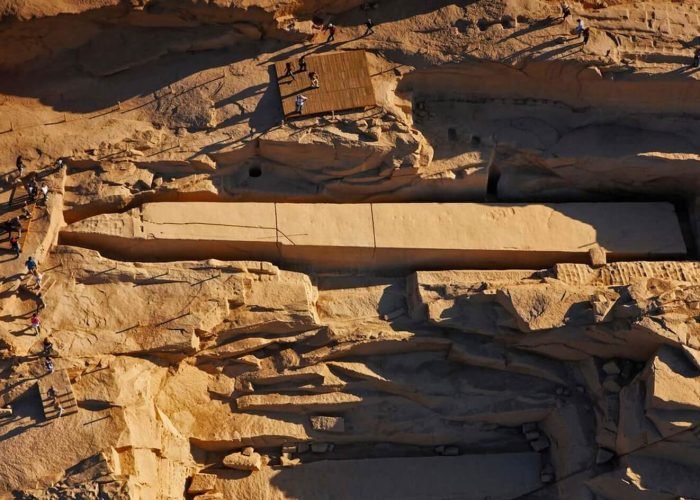
One of Aswan’s most fascinating and underrated attractions, the Unfinished Obelisk sits in the ancient granite quarries just south of the city. Had it been completed, it would have been the largest obelisk ever erected in ancient Egypt — standing 42 meters tall and weighing approximately 1,168 tonnes. A crack appeared in the granite during construction, and the obelisk was abandoned in place, still attached to the bedrock.
What makes it compelling is what it reveals: you can see exactly how ancient Egyptians quarried stone, including the tool marks, drainage channels, and workers’ red-painted lines that date back to the New Kingdom. There are no reconstructions here — just raw ancient logistics, frozen mid-process.
Practical information:
- Location: Northern Quarry, just a 5-minute drive from central Aswan
- Opening hours: 8:00 AM – 5:00 PM daily (summer hours may vary)
- Ticket: Included in a combined ticket with Philae Temple; standalone entry also available
- Time needed: 30–45 minutes
- Best combined with: Philae Temple and the Aswan High Dam on the same morning
The Unfinished Obelisk is an ideal first stop on any Aswan day — the site is compact, historically significant, and gives critical context for understanding how the great monuments of Egypt were actually built.
Cruise the Nile River with the Aswan travel guide
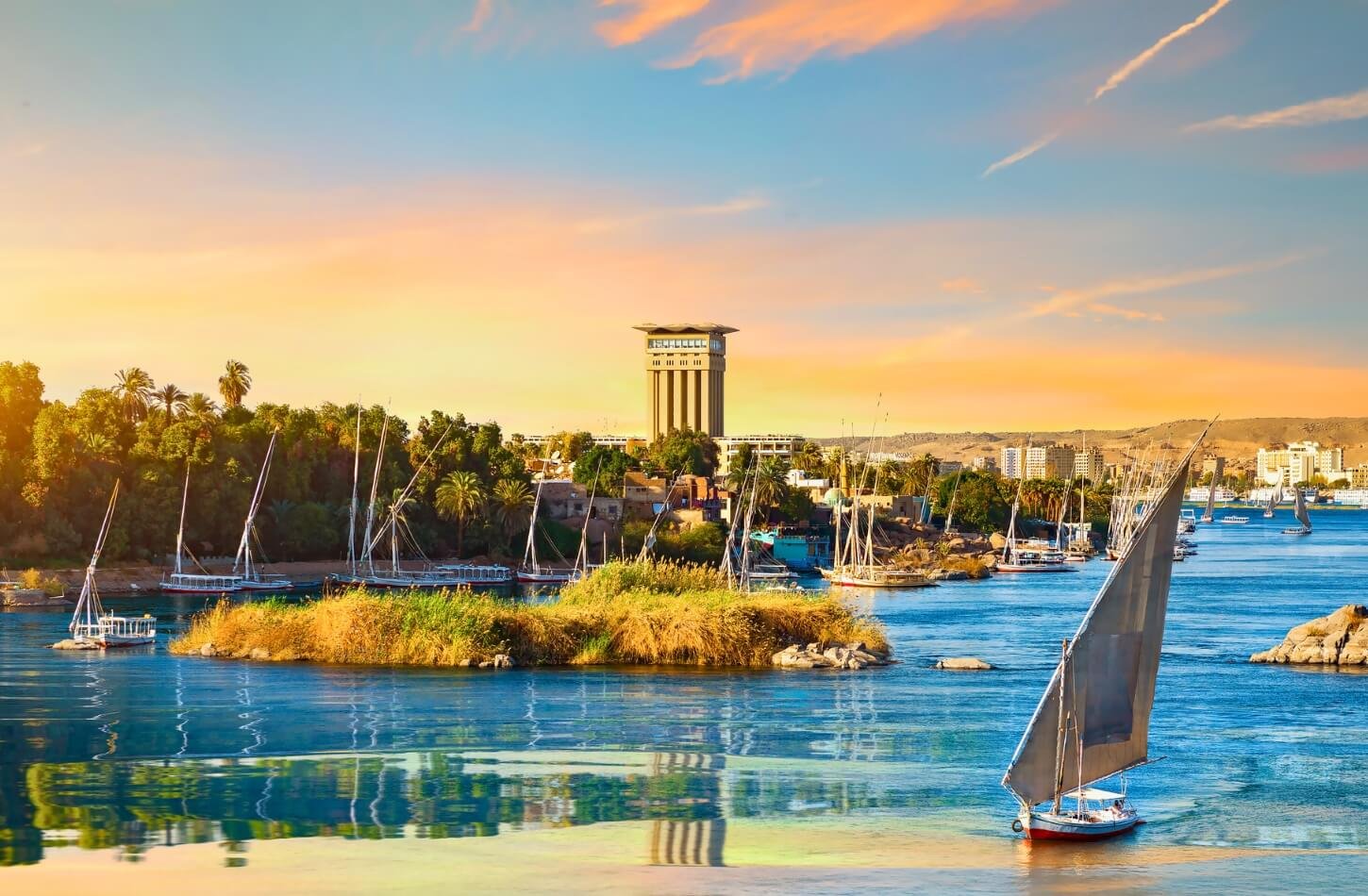
Exploring Aswan means a Nile River cruise. It’s a calm escape with amazing views. Traditional felucca boats, with their lateen sails, offer a unique, relaxing way to see the Nile’s beauty.
Enjoy the serene atmosphere as you sail. See stunning scenery and maybe local life along the riverbanks. Riding a felucca is a top thing to do on your Aswan vacation.
On your cruise, appreciate the rich history and culture that the Nile has nurtured. The river’s calm waters reflect the sun, making a perfect setting for relaxation or photos.
Visit the Aswan High Dam
The Aswan High Dam is a huge engineering achievement. It stops the Nile River’s annual floods and forms Lake Nasser. A visit to the dam is a must when in Aswan.
The dam is over 3,800 meters long and 111 meters high. It’s an amazing sight to see. Visitors can walk along the dam and enjoy the views of Lake Nasser.
Practical Information:
- Getting There: Easily accessible by car or taxi from Aswan city.
- Best Time: October to February.
Seeing the Aswan High Dam gives a special look at Egypt’s engineering skills. It shows how it affects the local area and economy.
Wander Through the Nubian Museum
Discover the rich history and culture of the Nubian people at the Nubian Museum. As you explore the exhibits, you’ll uncover the fascinating story of this ancient civilization.
The museum’s collection includes a vast array of artifacts. You’ll see pottery, jewelry, and other relics that showcase the region’s heritage. With a curated selection of exhibits, you’ll gain a deeper understanding of the Nubian culture and its significance.
By visiting the Nubian Museum, you’ll experience the history and culture of the region firsthand. The museum’s collection is a testament to the rich heritage of the Nubian people. It’s an experience that will leave you with a new appreciation for this fascinating culture.

Experience Local Markets and Cuisine
Dive into Aswan’s rich culture by checking out its lively markets and trying local foods. The souq, or market, in downtown Aswan is full of life. It has vendors selling spices, crafts, books, and more.
Walking through the souq, you’ll find lots of local treasures. Look for handmade Nubian crafts for special souvenirs. You can also try local foods like Egyptian falafel and sugarcane juice.
Tips for Visiting the Market
When at the market, haggle politely as it’s common here. Try street food, but pick busy vendors for fresh food.
Aswan’s food mixes Egyptian and Nubian tastes. Try koshari and mahshi(stuffed grape leaves) at local spots. For real Nubian food, eat at traditional restaurants.
Exploring Aswan’s markets and food will help you understand the local culture. You’ll make memories of your Aswan trip. Whether for souvenirs or food, Aswan’s markets have it all.
Enjoy the Tranquility of Elephantine Island
Elephantine Island sits in the heart of the Nile. It’s a peaceful place. Here, you’ll hear nature’s sounds and feel history in every stone. The island mixes old history with natural beauty. It’s a key spot for anyone visiting Aswan.
Walk the island’s paths and feel the fresh air. See ancient temples and tombs. Enjoy views of the Nile River. Looking to relax or explore? Elephantine Island is perfect. It’s a beautiful spot in Aswan.
Take a Day Trip to Kom Ombo Temples
The Kom Ombo Temples are close to Aswan. They give a peek into ancient Egyptian life. Visiting them is a great part of your Aswan tours.
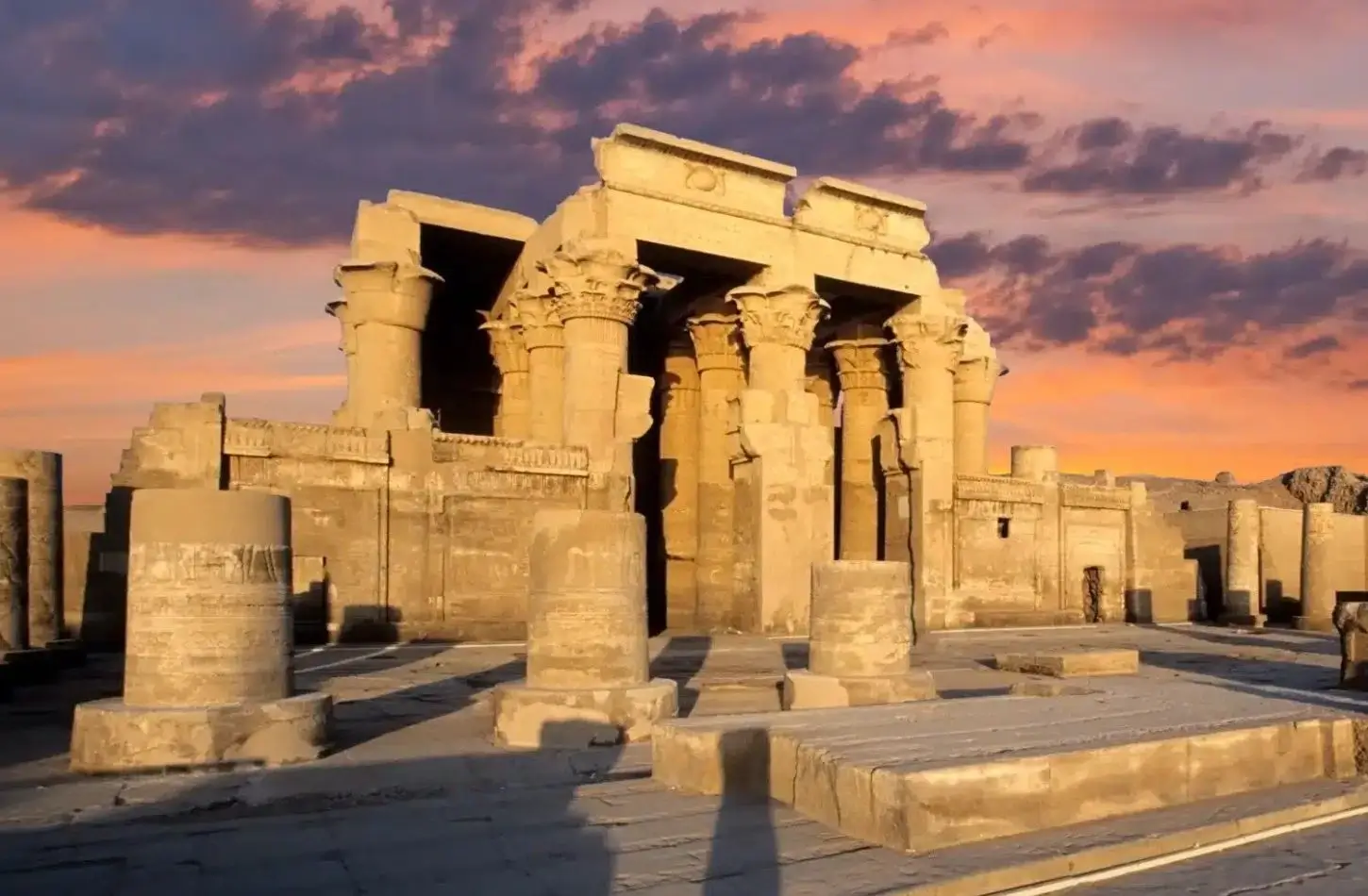
Kom Ombo is special because it honors two gods: Sobek, the crocodile god, and Horus, the falcon god. The temple shows this with two worship areas. Make sure to visit Kom Ombo for its unique design and history.
For a better visit, follow these Aswan travel tips: go early to avoid the heat. Bring sunscreen and water. Guided tours can share lots of interesting facts.
Kom Ombo is also known for its beautiful views of the Nile River. As you walk through, enjoy the calm and the scenery.
Experience Traditional Nubian Hospitality
Dive into the warm welcome of the Nubian people in Aswan. This is a special cultural adventure waiting for you. A visit to a Nubian village is a top highlight of any Aswan travel guide.
When you visit the village, you’ll get a big hug. You’ll see Nubian hospitality that’s both warm and real. The villagers love to share their music, dance, and traditions with you.
You can try traditional Nubian food, full of flavor and unique cooking. It’s a great time to learn about Nubian life, crafts, and cultural practices.
Seeing Nubian culture up close makes your Aswan tourism trip even better. It helps you appreciate their heritage more. You’ll get to know the locals, learn about their traditions, and make memories that last.
When planning your Aswan vacation, don’t miss out on visiting a Nubian village. It’s a chance to respect and remember the Nubian people’s kindness. Your trip will be one you’ll always treasure.
Relax and Unwind at Aswan’s Nile Resorts
Aswan is a city in southern Egypt known for its beauty and history. The Nile River runs through it, offering stunning views. It’s perfect for relaxing.
At Aswan’s resorts, you can relax in style. Enjoy the calm surroundings and the Nile’s views. You can relax by the pool, take a boat ride, or just enjoy the peace.
These resorts have luxurious amenities and great service. They’re the ideal place for a relaxing vacation. So, why wait? Experience the calm of Aswan’s resorts yourself.
Discover the Depths of the Botanical Garden
The Botanical Garden is on Kitchener’s Island. It’s a top spot for those who love nature. You’ll see many plants and flowers from all over the world.
A haven of tranquility, the garden is a calm place away from Aswan’s busy streets. After a boat ride, you can relax here.
The garden’s views of the Nile River are beautiful. Walking here, you’ll see unique plants and animals. It’s a peaceful place to think and relax.
Seeing the Botanical Garden is a great way to see Aswan’s beauty. It’s perfect for anyone who loves plants or just wants a quiet spot. This lush oasis is a highlight worth including in your itinerary, and you can find more details about it in our Aswan travel guide.
Tombs of the Nobles the West Bank
On the west bank of the Nile, carved directly into the golden sandstone cliffs above the river, lie the Tombs of the Nobles — a collection of rock-cut tombs dating from the Old and Middle Kingdoms. These are the burial sites of the governors and officials of ancient Aswan (then called Elephantine), and their painted interior scenes offer intimate glimpses of daily life rarely seen in royal tombs.
The views from the clifftop across the Nile, Elephantine Island, and the city are among the best in all of Aswan — particularly at sunrise and sunset.
Getting there requires a short motorboat ride from the corniche to the west bank, followed by a 10-minute uphill walk. Allow 45–60 minutes for the site. Combine with the Aga Khan Mausoleum nearby (visible from the Nile, closed to visitors inside) and Qubbet el-Hawa, the “Dome of the Wind” — a high point with panoramic desert and Nile views.
Explore Aswan’s Cultural Festivals
Aswan is famous for its lively cultural scene. It hosts many festivals throughout the year, showcasing the city’s rich heritage and traditions.
By attending these festivals, you can immerse yourself in the local culture and experience traditional music, dance, and crafts. If you’re planning an Egypt itinerary 7 days, consider timing your visit to Aswan around one of these cultural events for a more authentic and memorable experience. It’s a great way to learn about the local way of life. For the latest festival information, check local tourism websites or ask your hotel for recommendations.
Visiting a cultural festival in Aswan is a wonderful experience that allows you to connect with the community and create lasting memories. These events are an important part of Aswan’s unique charm and can add a special highlight to any Egypt travel itinerary.
Aswan Itinerary: How to Spend 2–3 Days
Most visitors have 2–3 days in Aswan, which is the right amount of time to cover the core sights without rushing. Here’s how to structure your time:
Day 1 — Abu Simbel (early departure)
Depart from Aswan by 4:30 AM for the road convoy to Abu Simbel. Arrive around 7:30–8:00 AM, spend 1.5–2 hours at the temples, and return to Aswan by early afternoon. Rest during the hottest part of the day, then take a felucca ride on the Nile at sunset with a loop around Elephantine Island (~$10–15/hour). Evening: walk the Aswan corniche, try fresh sugarcane juice, and dinner at a Nubian restaurant.
Day 2 — Aswan’s main sights
Start at the Unfinished Obelisk at 8:00 AM (30–45 mins). Take a motorboat to Philae Temple (allow 90 minutes). Head to the Aswan High Dam (20–30 mins). After lunch, visit the Nubian Museum (allow 1.5–2 hours). Late afternoon: boat trip to the Nubian Village on the west bank — colorful houses, henna, local food, and genuine cultural immersion.
Day 3 — Optional extensions
- Kitchener’s Island Botanical Garden — peacefully quiet in the morning.
- Tombs of the Nobles on the west bank cliffs — panoramic views over the Nile.
- Kom Ombo Temple is a half-day trip (50 km north of Aswan).
- A scenic drive to Seheil Island for ancient rock inscriptions.
If you have less time, a private tour can combine Philae, the High Dam, and the Unfinished Obelisk into one efficient half-day.
FAQ — Frequently Asked Questions
What is the best time to visit Aswan, Egypt?
The best time to visit Aswan is October to February, when temperatures range from 20–30°C (68–86°F) — cool enough to explore temples and take felucca rides comfortably. Avoid June to August when it regularly exceeds 40°C (104°F). Abu Simbel’s famous solar alignment events happen on February 22 and October 22, making those dates especially popular.
How many days do you need in Aswan?
2 to 3 days is enough to cover Aswan’s main highlights — Philae Temple, the Aswan High Dam, a felucca ride, the Nubian Museum, and Elephantine Island. Add a day if you plan a trip to Abu Simbel (4–5 hours round-trip by road or a short flight). Most travelers combine Aswan with a 4–7 day Nile cruise from Luxor.
How do you get from Aswan to Abu Simbel?
There are three ways to reach Abu Simbel from Aswan:
- Organized convoy tour by road — a 3-hour drive each way, departing around 4 AM; most budget-friendly option.
- Short flight — EgyptAir operates ~40-minute flights from Aswan Airport, ideal if you’re pressed for time.
- Nile cruise to Lake Nasser — a slower, scenic option. Most visitors take a guided day tour from Aswan, departing very early to beat the heat.
Is Aswan safe for tourists?
Yes, Aswan is considered one of Egypt’s safest and most relaxed cities for tourists. It sees far less hustle than Cairo and has a laid-back Nubian atmosphere. Standard travel precautions apply — use licensed guides, avoid isolated areas at night, and book tours through a reputable agency. The city is heavily visited by international travelers and is well set up for tourism.
What is Philae Temple and why is it famous?
Philae Temple is an ancient Egyptian temple complex dedicated to the goddess Isis, located on Agilkia Island in the Nile near Aswan. It’s famous for two reasons: its stunning Ptolemaic-era architecture with intricate hieroglyphic carvings, and the remarkable engineering feat of relocating the entire temple in the 1970s to save it from the rising waters of Lake Nasser after the Aswan High Dam was built.
What can you do in Aswan in one day?
In one day in Aswan, visit Philae Temple in the morning (arrive by 8 AM), then the Aswan High Dam, and finish with the Nubian Museum in the early afternoon. End the day with a felucca ride on the Nile at sunset, followed by dinner at a Nubian restaurant. If you start early, you can also squeeze in a stop at Elephantine Island. Hiring a local guide makes the day much smoother.
Can I combine Aswan with a Nile cruise?
Yes — Aswan is the southern endpoint of Egypt’s most popular Nile cruise route. Standard 4-night cruises run between Luxor and Aswan, stopping at Kom Ombo and Edfu along the way. You can start in Luxor and end in Aswan, or start in Aswan and end in Luxor. Longer 7-night cruises include Cairo transfers. It’s the most scenic and efficient way to see Upper Egypt’s temples.