By the Misk Tours Team | Egypt-based travel specialists | Published: June 2026
📍 How much should you tip in Egypt?
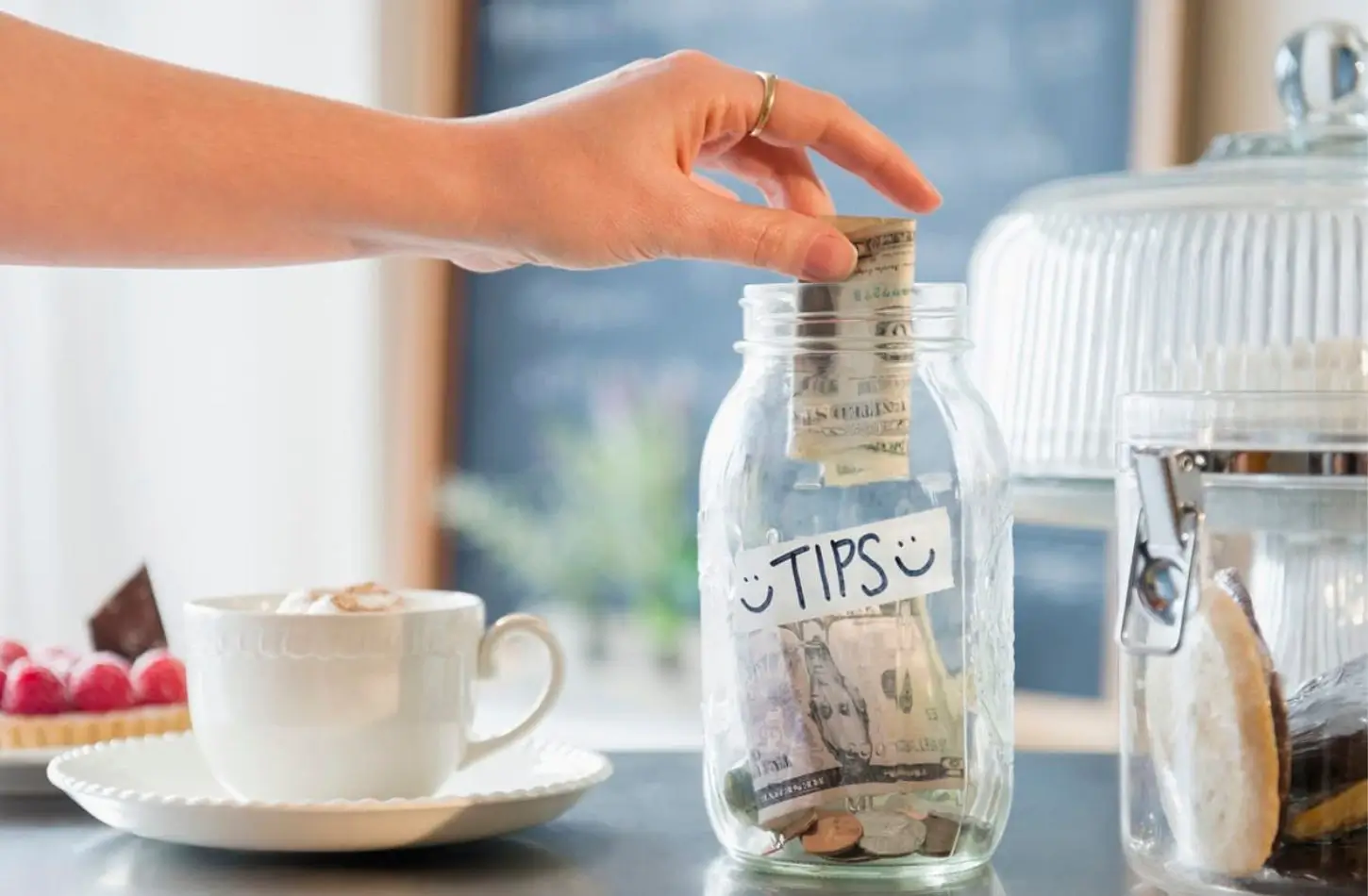
Tipping (baksheesh) is expected everywhere in Egypt and makes up a big part of workers’ income — budget roughly 10–15% of your travel budget for it. Amounts are small in USD terms but genuinely appreciated: use EGP for everyday tips and USD for larger ones.
- 🧳 Guides & drivers 500–800 EGP/day for a private guide, 200–300 EGP/day for a driver
- 🍽️ Restaurants 10–15% cash directly to your server (the printed service charge rarely reaches staff)
- 🛏️ Hotel staff 20–50 EGP/night for housekeeping, 20–50 EGP/bag for porters
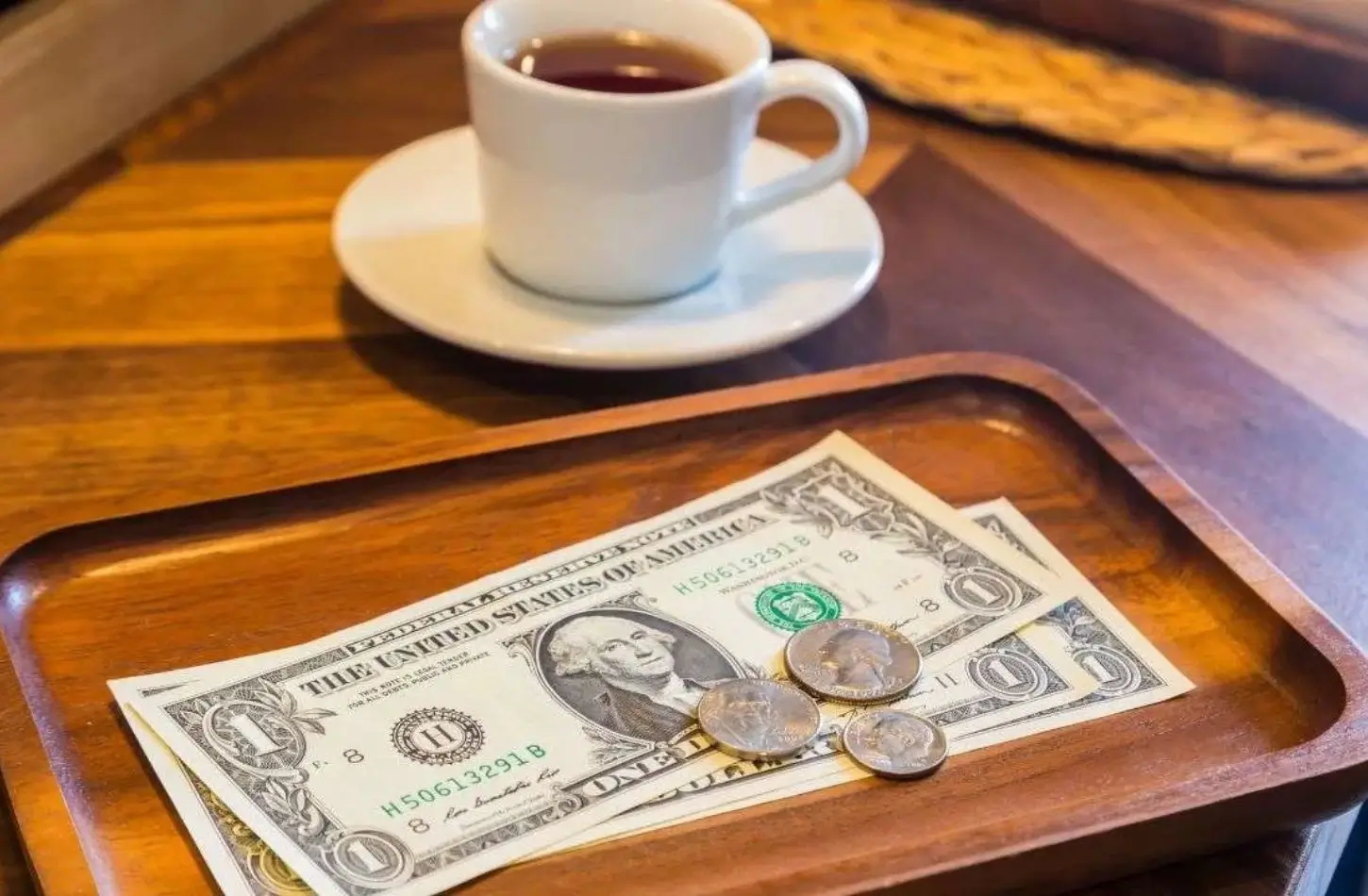
- 🚫 Never tip with $1 bills or foreign coins — Egyptian banks won’t accept them
Tipping in Egypt, known locally as baksheesh, is not an afterthought. It is woven into everyday life in a way that most Western travellers don’t anticipate until they’re already standing at the Pyramids wondering whether to hand over a note. The cultural weight of this practice runs deeper than a simple thank-you: for guides, drivers, hotel staff, and restaurant workers, tips often make up the majority of their daily income.
This guide tells you exactly how much to tip in Egypt for every situation you will encounter — from restaurants in Cairo to private tours on the West Bank in Luxor. If you’re booking a private guided tour or an Egypt Nile cruise, your guide and driver will usually walk you through local tipping norms on day one — but knowing the numbers in advance means you travel with confidence from the moment you land.
The Cultural Foundation of Baksheesh
To understand tipping in Egypt, you need to understand baksheesh — and to understand baksheesh, you need to understand that it is not synonymous with a Western-style service tip. The two exist on a spectrum, and knowing where a given situation falls on that spectrum is what separates confident travellers from confused ones.
Baksheesh, in its original Arabic meaning, refers to a gift or charitable offering. In Egypt, it evolved over centuries into a social lubricant — money exchanged to acknowledge someone’s help, access, or effort. Egyptians tip each other: the apartment doorman, the parking attendant, the person who fetched something from another floor. This is not a system invented for tourists. It predates tourism entirely.
What tourists encounter is a version of this system amplified by economic reality. Egypt’s service sector wages are low. A hotel housekeeper or Nile boat captain may earn a base salary equivalent to $30–60 USD per month. Tips are not a supplement to income — they are the income. Understanding this shifts the tipping question from ‘am I expected to? to ‘how much is fair for what I received?
The key practical distinction to hold in mind: tipping is for genuine service rendered. Baksheesh in its broader traditional sense — a small amount given when someone opens a tomb door, escorts you to a seat, or performs a small unsolicited service — is a separate, smaller gesture. You are not obligated to tip every person who approaches you. But when a real service has been provided, tipping is expected, and the absence of it is noticed.
Tipping Guidelines in Egypt: Quick-Reference Table
Use this table as your Egypt tipping cheat sheet. All EGP figures reflect the current 2025/2026 exchange rate of approximately 1 USD = 50 EGP.
| Who to Tip | EGP Amount | USD Equivalent | When to Give |
|---|---|---|---|
| Tour guide (private, full day) | 500–800 EGP | $10–$16 | End of each touring day |
| Tour guide (group, full day) | 200–400 EGP | $4–$8 | End of each touring day |
| Private driver (full day) | 200–300 EGP | $4–$6 | End of the day |
| Restaurant (sit-down) | 10–15% of the bill | — | Cash, directly to the server |
| Hotel housekeeper | 20–50 EGP per night | $0.40–$1 | Daily or at check-out |
| Porter / Bellhop | 20–50 EGP per bag | $0.40–$1 | When bags are delivered |
| Hotel concierge | 50–100 EGP | $1–$2 | For specific assistance |
| Taxi (street or app) | Round up by 5–10 EGP | — | Upon arrival |
| Nile cruise cabin steward | 50–100 EGP per night | $1–$2 | Daily or at the end of the cruise |
| Nile cruise crew (collective) | 150–300 EGP per person | $3–$6 | End of the cruise (via the head of service) |
| Felucca / Boat captain | 50–100 EGP | $1–$2 | End of the ride |
| Site guardian / Tomb attendant | 20–50 EGP | $0.40–$1 | If they provide extra assistance or open restricted areas |
| Restroom attendant | 5–10 EGP | $0.10–$0.20 | When leaving |
Tipping in Restaurants
Tipping in restaurants in Egypt comes with a trap that catches nearly every first-time visitor: a service charge of 10–14% is printed on many bills, but this is a business surcharge — it almost never reaches the staff who served you. Leave cash directly for your server.
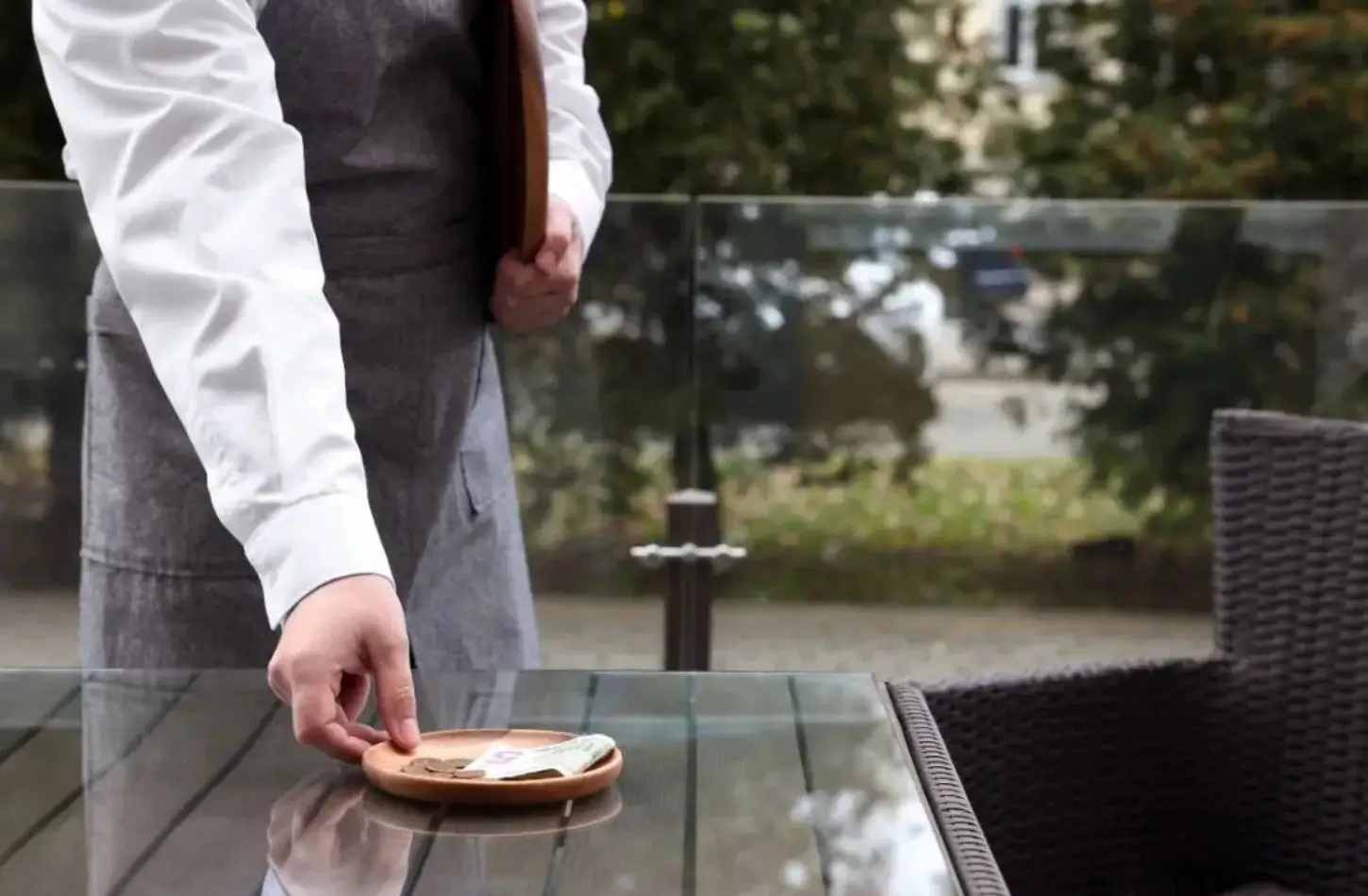
For sit-down restaurants: 10–15% of the total bill in cash, handed directly to your server or left visibly on the table as you leave. In budget eateries and local koshary spots where a meal costs 50–100 EGP, 10–20 EGP is a meaningful and appropriate tip. In mid-range tourist-area restaurants in Cairo or Luxor, aim for the 12–15% range. At rooftop dining near the Pyramids or upscale Nile-side restaurants, 15% reflects the level of service.
Delivery orders: tip the driver 10–15 EGP on smaller orders, 20–30 EGP on larger ones. Delivery workers in Egypt are almost entirely tip-dependent.
One common mistake worth flagging: adding the tip to a credit card payment. Unless the restaurant explicitly passes card gratuities to staff — which is very rare in Egypt — cash left on the table is always the safer and more appreciated choice.
Tipping in Hotels
Hotels in Egypt are where tipping touches the most people across a single stay. Think about each role separately rather than leaving one lump sum at check-out.
Housekeeping
Leave 20–50 EGP per night — folded in an envelope or placed on the pillow with a small note — not loose cash on a surface, which can be ambiguous. At five-star properties in Cairo or Sharm El Sheikh, 50 EGP per night is the expected standard. In budget guesthouses, 20 EGP is a genuine and appreciated gesture. Daily tipping is better than a single end-of-stay sum, since different staff may clean your room on different days.
Porters and Bellhops
20–50 EGP per bag, paid when bags are delivered to your room. At luxury resorts, 50 EGP per bag is appropriate. Do not tip less than 20 EGP regardless of property category — this is a small amount by any international measure but genuinely meaningful to the recipient.
Concierge
50–100 EGP for a specific service such as booking a restaurant, arranging transport, or handling a guest request. If the concierge goes significantly above their standard duties — securing a sold-out reservation, organizing a 3 am airport transfer, or troubleshooting a lost item — 150–200 EGP reflects the extra effort.
Room Service
10–20 EGP per delivery, given directly to the person who brought it. Even at all-inclusive resorts where a service charge appears on the bill, a small direct tip to the delivery person is unexpected by most travellers and therefore all the more appreciated.
Tipping Tour Guides
Of all the tipping decisions you make in Egypt, how much you tip your tour guide carries the most weight — both financially for that person and experientially for you.
Tour guides in Egypt are required to hold a licensed Egyptologist qualification, typically a 4-year university degree. They are professionals in every meaningful sense: fluent in multiple languages, carrying deep historical knowledge across dozens of sites, and spending the entire day managing logistics while keeping guests engaged, comfortable, and informed. Many work on low fixed retainers from tour operators and depend on daily tips to make their income viable.
For a private tour guide on a full-day tour, the current fair benchmark is 500 EGP ($10–$16) per day. Half-day tours: start from 300 EGP. For a multi-day private tour across Cairo, Luxor, and Aswan, a total tip of $80–$150 USD across the trip — given daily rather than as one payment at the end — is the respectful standard.
Tipping tour guides in Egypt in USD is accepted and often preferred. The firm rule: avoid $1 bills. These cannot be exchanged at any Egyptian bank or currency exchange office, making them useless to the recipient. Use $5, $10, or $20 notes for USD tips.
For group tour guides: 200–400 EGP per person per day. The group setting reduces the individual amount, but the quality of guiding still matters — exceptional guiding deserves a tip at the top of this range.
Tipping Taxi Drivers
Tipping taxi drivers in Egypt is more relaxed than tipping guides or hotel staff — but it remains part of the expected transaction, particularly in tourist areas.
For app-based rides with Uber or Careem: the fare is fixed and digital, but a 10–20 EGP cash tip to the driver is a welcome additional gesture, particularly on longer journeys or after late-night pickups. Many drivers view app fares as below the street rate, and a small extra amount maintains goodwill for the next trip.
For traditional street taxis — still widely used in older areas of Cairo, Luxor, and Aswan — agree the fare before getting in. Meters are rarely reliable. Round up to the nearest 5–10 EGP on arrival. There is no cultural expectation of a tip percentage on street taxis; rounding up is the established convention.
For airport transfers booked through a tour operator, 100–150 EGP is appropriate for a single-destination run, particularly if the driver helped with bags, navigated heavy traffic, or waited beyond the agreed pickup window.
Never tip police or military personnel at checkpoints or site entrances. Never give cash to self-appointed ‘helpers’ who approach unsolicited at airports, stations, or major tourist sites — this is not a service transaction.

Tipping on a Nile Cruise
A Nile cruise concentrates more service roles into one floating space than any other Egypt travel experience, and tipping etiquette here has its own rhythm.
Most operators recommend tipping in two separate streams at the end of the cruise: a collective crew tip handed to the head of service for distribution (covering housekeeping, kitchen, and wait staff), and a separate daily tip for your Egyptologist guide. These two groups should never be conflated — the guide is a professional engaged independently of the vessel.
For the ship crew as a collective: 150–300 EGP per passenger for a standard 4-night Luxor–Aswan cruise. For a luxury dahabiya with more personalized service, 300–500 EGP per passenger reflects the higher standard.
Your cabin steward — the person who maintains your room daily, turns down the bed, and handles personal requests — deserves a direct daily tip of 50–100 EGP, given separately and in addition to the collective crew tip.
Tip your Nile cruise guide exactly as you would a land-based guide: 500–800 EGP per day for private guiding; 200–400 EGP per person per day on a group cruise. This tip goes directly to the guide, not through the vessel.
Currency Tips: EGP, USD & What Never to Give
Egyptian pounds are the preferred tip currency for any amount under the equivalent of $10. Local workers can spend EGP immediately; foreign currency requires a trip to a bank or exchange bureau, involves fees, and is not always practical.
USD is widely accepted and often preferred for larger tips — particularly by guides and private drivers. The non-negotiable rule: never use $1 bills or any foreign coins. Egyptian banks and exchange offices do not accept $1 USD bills, making them worthless to the recipient. Use $5, $10, or $20 notes for any USD tip.
Preparation matters more than generosity. Carry a stock of 20 EGP and 50 EGP notes from the moment you arrive. Break large bills at your hotel reception, at a café, or at a supermarket — trying to break a 500 EGP note to leave a 30 EGP tip is an awkward situation entirely preventable with a little forward planning.
As of mid-2025, 1 USD = approximately 50 EGP. This exchange rate makes Egypt extraordinary value for travellers from the UK, US, and Australia — tipping generously by local standards costs very little by home-country standards. A $15 USD tip to a full-day private guide represents a genuinely significant contribution to that person’s day.
When NOT to Tip in Egypt
Not every outstretched hand represents a genuine tip opportunity, and knowing where the line sits saves both money and energy.
- Police officers and military personnel at checkpoints or site entrances — never tip.
- Unofficial ‘helpers’ at airports, bus stations, or major sites who approach unsolicited and expect payment for unsolicited guidance.
- Vendors in tourist areas who hand you an item (a booklet, a flower, a headscarf) and then request a tip for ‘giving’ it to you.
- Self-service and fast-food establishments where no personal service was involved.
- Pre-paid all-inclusive arrangements where gratuity is explicitly confirmed as included — though a small personal tip to genuinely outstanding staff is always your prerogative.
A useful rule: if you did not initiate the interaction and no clear service was agreed in advance, you are not obligated. Egypt’s tourism economy runs on hospitality, and most interactions are genuine — but unsolicited approaches followed by tip requests are a separate category entirely, and treating them as such is not rude.
Shorter alternative if you want it tighter:
These moments are normal, not dangerous — read the full guide on is it safe to travel to Egypt for the complete picture.
How to Physically Hand Over a Tip
The mechanics of tipping in Egypt matter as much as the amount. Presenting a tip like a formal payment — counting it out loudly, or handing it over with a receipt-style flourish — reads as transactional and slightly awkward in a culture where tipping is meant to feel personal.
The standard approach: fold the note (or notes) discreetly before handing it over, and pass it during a handshake with a simple ‘shukran’ (thank you). For guides and drivers you’ve spent a full day with, this happens at the end of the day, away from the group if it’s a private tip. For hotel housekeeping, leave the note on the pillow or desk rather than handing it directly, since you typically won’t see them.
If someone initially waves off a tip, this is usually politeness rather than genuine refusal — a cultural reflex, especially among guides who’ve built a friendly rapport with you over the day. A light insistence (handing it again with a smile) is the expected response, not a sign you’ve misjudged the moment.
Tipping at All-Inclusive Resorts
All-inclusive resorts in Hurghada, Sharm El Sheikh, and Marsa Alam create a specific point of confusion: guests assume gratuity is baked into the package price, and in a strict sense, it often is — but the amount that filters down to individual staff is minimal.
A practical approach that works well at resorts: tip your regular bartender or a waiter you see repeatedly early in your stay — $5–10 USD or the EGP equivalent on day one or two. This single early gesture tends to noticeably improve service speed and warmth for the rest of the stay, since the staff member now recognizes you as a guest who tips.
Housekeeping at resorts should still be tipped daily (20–50 EGP), separate from any all-inclusive service charge. Spa and massage staff are not typically covered by the resort’s inclusive pricing — budget 10–15% of the treatment price as a direct cash tip to the therapist.
Dealing with Unsolicited Baksheesh Requests
At major sites — the Pyramids, the Valley of the Kings, Karnak — you will encounter people offering unsolicited help: pointing out a ‘secret’ viewpoint, offering to take your photo, gesturing toward a chamber that’s clearly open to the public anyway. These are not site employees, and you are under no obligation to tip them.
The clearest rule: if you didn’t ask for the help and would have managed fine without it, there’s no tipping obligation. If someone provided something genuinely useful — a good photograph, an accurate direction, real assistance — a small 20–50 EGP tip is a fair acknowledgment.
Declining is simple and well understood locally: a clear ‘la, shukran’ (no, thank you), said once with a polite smile and a steady walk onward, ends the interaction. There’s no need to apologize or over-explain. Most people asking for unsolicited baksheesh will move on without pushing further once the answer is clearly no.
FAQS
Is tipping compulsory in Egypt?
Tipping is not legally mandatory, but it is highly expected across the hospitality, tourism, and service sectors. While you are not legally required to tip, failing to do so when a service has been provided can be seen as rude or a sign that you were deeply dissatisfied. In tourist areas, tipping is a standard social contract.
Should I tip in Egyptian Pounds (EGP) or US Dollars (USD)?
Both are accepted, but Egyptian Pounds are preferred for smaller, everyday services (e.g., bathroom attendants, porters, bellhops). For larger tips, such as a multi-day private tour guide or a Nile cruise crew, US Dollars are highly appreciated due to the currency’s stability.
Pro-tip: Avoid giving foreign coins, as locals cannot exchange them at banks. Ensure any USD bills are clean and crisp, as banks may reject torn or heavily worn notes.
How much should I budget for tips in Egypt?
A good rule of thumb is to allocate 10% to 15% of your total travel budget specifically for tipping. While individual tips might seem small (often just a few dollars or a small stack of EGP notes), they add up over the course of a trip.
How much do you tip a private tour guide in Egypt per day?
For a full-day private Egyptologist guide, a tip of $25 to $50 USD per day (for a solo traveler or a couple) is standard, depending on the quality of service. If you are in a larger group, you can split this amount or aim for around $5 to $10 USD per person. It is best to hand this directly to the guide in a sealed envelope at the end of the tour.
Do you tip taxi or Uber drivers in Egypt?
For traditional taxis, it is common to simply round up the fare to the nearest 10 or 20 EGP. For longer trips or if the driver helps with luggage, adding an extra 50 EGP is a kind gesture. For Uber or Careem, tipping is optional but appreciated; you can add a small percentage (5% to 10%) directly through the app, though cash is always preferred by drivers.
Is a service charge included in Egyptian restaurants?
Many sit-down restaurants in tourist areas automatically add a 10% to 12% service charge to your bill. However, be aware that this charge often goes directly to the restaurant establishment rather than the individual server. It is customary to leave an additional 5% to 10% in cash directly on the table for your waiter if the service was good.
How much do you tip hotel staff (housekeeping and porters)?
Porters: Tip 50 to 100 EGP per bag immediately upon delivery to your room.
Housekeeping: Tip 50 to 100 EGP per day. It is best to leave this daily on your bedside table rather than as a lump sum at the end of your stay, as different staff members may clean your room on different days.
What is the tipping protocol on a Nile cruise?
Nile cruises usually operate on a pooled tipping system. On your final evening, you will be asked to place a suggested amount—typically $10 to $15 USD per person, per night—into a collective envelope at the reception desk. This ensures the entire crew (including the kitchen staff and engine room workers you never see) gets a fair share. For a Dahabiya (a smaller, private boat), the standard is slightly higher, around $15 to $20 USD per person, per night, given the highly personalized service.